
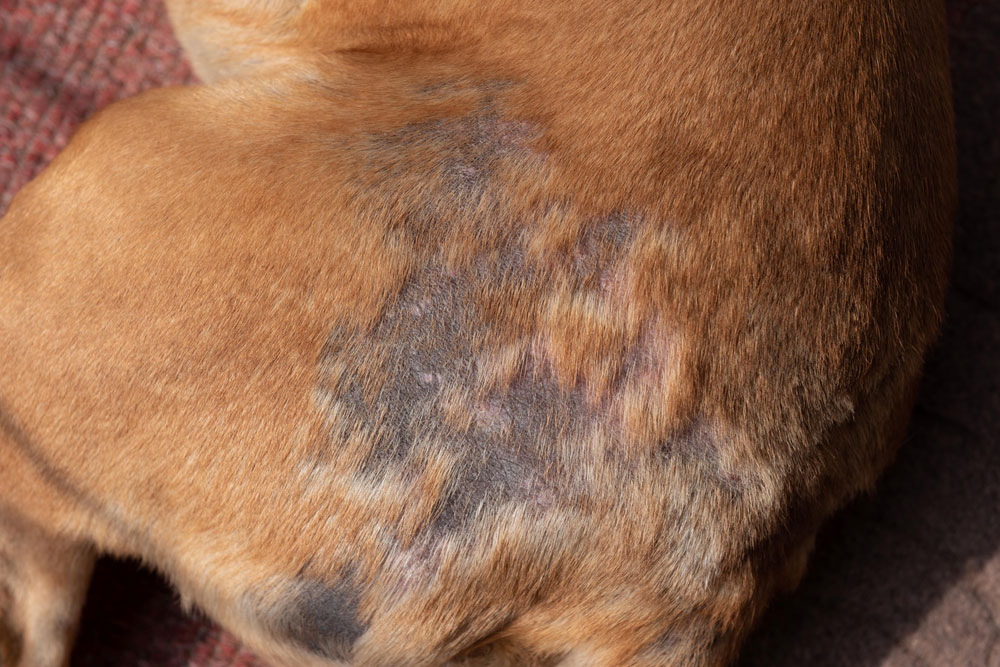
Abnormal fur loss in dogs and cats is a sign of something happening beneath the surface, not a problem with the hair itself. Shedding that falls outside your pet’s normal pattern, patches where the coat is not growing back, or thinning accompanied by skin changes all point to an underlying cause worth finding. Hormonal disorders like hypothyroidism and Cushing’s disease, skin infections, environmental or food allergies, immune-mediated conditions, and stress-related overgrooming each produce recognizable patterns, and most pets recover their coats well once treatment is on track. The pattern of the loss, the appearance of the skin underneath, and any accompanying symptoms all help figure out where the workup should begin.
At Star of Texas Veterinary Hospital in Austin, we offer dermatology and endocrinology as dedicated areas of care, which means hair loss cases get more than a surface look. Our full range of services includes in-house bloodwork, digital radiography, and ultrasound, along with acupuncture and nutritional consultations that may support recovery once a diagnosis is in hand. We are a Fear Free certified practice, with all team members carrying that certification, so if your pet tends to be anxious at the vet, we have tools and techniques to make the visit easier. If your dog or cat is losing more fur than usual, get in touch with us and we will find out why.
Pet Hair Loss: The Big Picture
- Alopecia is a symptom, not a diagnosis: the pattern, the skin underneath, and accompanying signs steer the workup.
- The causes are wide-ranging: allergies, parasites, hormonal conditions, infections, stress overgrooming, and pain all change the coat.
- Itch is a dividing line: symmetrical loss without scratching often points to hormones, while itchy loss points to allergies, infection, or parasites.
- Diagnosis comes first: most cases resolve well with the right treatment, but starting before knowing the cause usually wastes time.
Is It Normal Shedding or Abnormal Hair Loss?
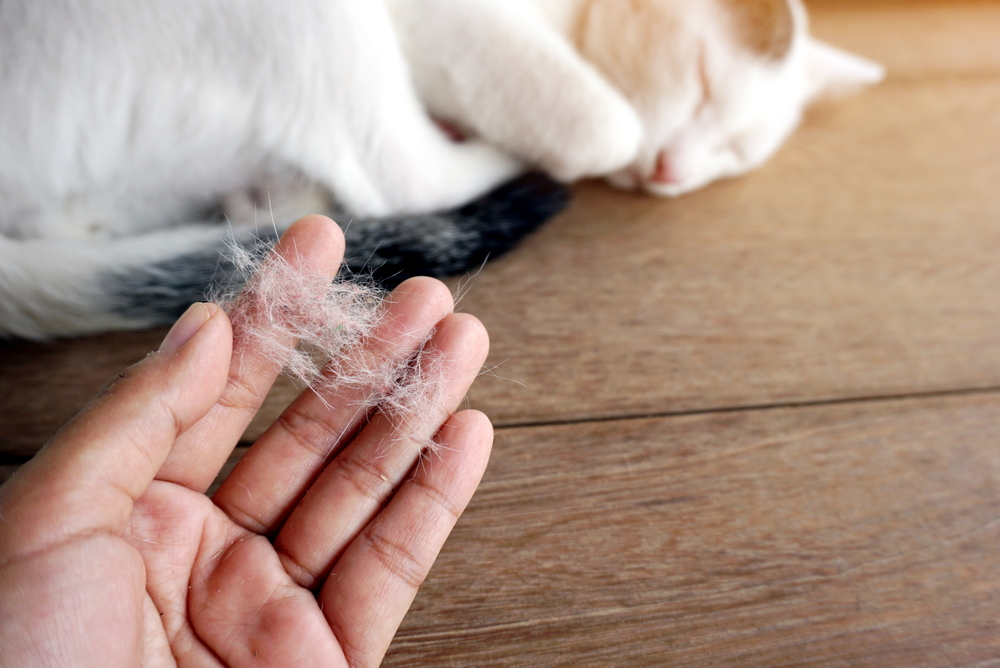
Alopecia is the medical term for hair loss, and it is always a symptom rather than a disease in its own right. Telling normal shedding from alopecia matters because normal shedding does not need a workup, while alopecia almost always does.
| Feature | Normal shedding | Alopecia worth evaluating |
| Distribution | Even across the body | Patchy, localized, or symmetrical |
| Regrowth | Fills back in or shifts seasonally | Bald spots that do not regrow |
| The skin | Looks normal underneath | Red, scaly, scabbed, or smelly |
| The hair | Comes out at the root | Breaks off short (barbering) |
| Comfort | Not itchy | Scratching or licking specific spots |
A wellness exam includes coat and skin screening as part of the full evaluation, so changes often surface during routine visits even when the pet is in for something else. Our veterinary care in Austin builds that screening into every visit.
Can Allergies Cause Hair Loss?
Allergies are one of the most common causes of hair loss in pets, and the mechanism is straightforward: the immune system overreacts to a trigger, inflammation builds, the pet scratches and licks, and the chronic trauma damages hair and creates bald spots. The hair loss is the visible consequence of an itch the pet cannot ignore. The three main categories of allergens:
- Environmental allergens: pollens, molds, dust mites, and grasses drive atopic dermatitis, extremely common in dogs, often seasonal at first and then year-round.
- Food allergens: most food allergies are reactions to common proteins like chicken, beef, dairy, or wheat rather than grains as a category, and an elimination diet trial is the only reliable way to confirm one.
- Flea saliva: even one bite can trigger weeks of itching, and flea allergy is especially common in cats, classically causing loss on the lower back and tail base. Austin’s mild climate keeps fleas a year-round concern.
Long-term allergy management usually layers several pieces: targeted medications, topical therapies, omega-3 supplementation, regular medicated bathing, parasite prevention, and sometimes immunotherapy for chronic cases. Medicated shampoos and topical products round out the routine at home.
Which Parasites and Infections Cause Hair Loss?
Even indoor pets can pick up parasites, and some are too small to see without a microscope.
- Demodex mites: live on most dogs in small numbers, but overgrowth in young or immune-compromised dogs produces localized or generalized bald patches that may or may not itch.
- Sarcoptic mange: scabies mites cause intense itching and hair loss, classically on the ear margins, elbows, and abdomen, and are highly contagious between dogs.
- Fleas: even pets without a true allergy lose hair from scratching at active infestations, and year-round parasite prevention removes flea bites from the equation.
- Bacterial and yeast infections: when skin is inflamed from any cause, surface organisms overgrow, and both pyoderma and Malassezia add to hair loss and odor while pointing to an underlying trigger.
- Ringworm: a fungal infection that produces circular bald spots with scaly edges, contagious to people and other pets, and especially common in young kittens.
Diagnosis often starts with simple in-house tests: skin scrapings under the microscope, tape preparations, cytology, and fungal culture when ringworm is suspected. We carry flea and tick prevention for dogs and flea and tick prevention for cats, many of which also treat mites, and we’ll recommend the right product for your pet’s individual needs.
What Hormonal Conditions Cause Hair Loss?
When a pet’s hair thins symmetrically on both sides of the body without much scratching, hormones are often involved. These changes can develop slowly enough that owners do not notice until they are significant.
Thyroid and Adrenal Conditions
Hypothyroidism in dogs is one of the most common endocrine disorders. Insufficient thyroid hormone slows metabolism, causing weight gain, lethargy, cold intolerance, and a poor coat, with hair loss often symmetrical along the trunk and tail. Diagnosis is through blood testing, and treatment with oral levothyroxine is straightforward, with the coat usually recovering within a few months.
Cushing’s disease, or hyperadrenocorticism, involves excess cortisol. The classic picture includes a thinning coat, a pot-bellied appearance, increased thirst and urination, and a bigger appetite. Diagnosis uses specific blood and urine testing, and treatment ranges from oral medication to surgery depending on the type. Hyperthyroidism in cats is the feline parallel, causing a patchy, unkempt coat alongside weight loss and behavioral changes, most often in older cats.
Sex Hormones and Topical Medication Exposure
Intact male dogs occasionally develop symmetrical hair loss from testicular tumors producing excess estrogen, and intact females can show similar changes from hormonal fluctuations, with spaying or neutering frequently resolving these cases. A surprisingly common cause that gets missed: pets can absorb hormones from owner topical hormone replacement creams through skin contact or by licking application sites, so if anyone in the household uses topical estrogen, progesterone, or testosterone, we will ask about it.
Why Does Routine Blood Work Matter?
Hormone imbalances often show up on blood work before they become visually obvious. Routine bloodwork during wellness visits creates baseline values that make it easier to catch shifts early, often before significant coat changes appear.
Which Breeds Have Inherited Coat Conditions?
Some dogs inherit coat conditions that cannot be cured but can be managed comfortably, and knowing breed tendencies sets realistic expectations.
- Color dilution alopecia: affects dogs with diluted coat colors like blue Dobermans and fawn Weimaraners, where fragile hair shafts break, and management is supportive.
- Seasonal flank alopecia: symmetrical flank patches that come and go with the seasons, most common in Boxers and Airedales, often cosmetic, with melatonin sometimes helping.
- Sebaceous adenitis: inflammation destroys the oil glands, with Standard Poodles, Akitas, and Samoyeds predisposed, and lifelong management through bathing, oils, and sometimes medication.
- Zinc-responsive dermatosis: seen mostly in Northern breeds like Huskies and Malamutes, with hair loss and crusting around the eyes, mouth, and pressure points that responds to zinc supplementation.
Diagnosis requires ruling out other causes first, and management centers on supportive skin care, nutrition, and occasionally targeted medications.
Can Stress or Pain Cause Hair Loss?
Pets, especially cats, can express emotional distress or physical pain through repetitive grooming that creates smooth, thin areas without obvious skin disease underneath.
Psychogenic alopecia in cats produces symmetrical loss on the belly, inner thighs, or back, often triggered or worsened by life stressors like a new pet, a move, a schedule change, or conflict with another cat. Reading the household for what might be wearing on a cat is often as useful as any test. Dogs can show a similar pattern through repetitive licking of one spot, often a front paw, eventually creating a lick granuloma: a thickened, often infected area of chronically inflamed skin.
The critical caveat is that pain-driven and stress-driven grooming can look identical. A cat overgrooming her belly may be stressed, may have idiopathic cystitis causing abdominal discomfort, or may have osteoarthritis causing hip pain. Diagnostics matter because the treatments are entirely different.
Our Fear-Free and Cat-Friendly care focuses heavily on both the in-clinic and at-home experiences for your pet, and we’ll talk through any behavioral causes while also using our in-house diagnostics to rule out medical causes of hair loss.
How Does Nutrition and Grooming Affect the Coat?
The skin and coat are among the first places to show nutritional shortfalls, because hair growth demands a steady supply of protein, omega fatty acids, zinc, and biotin. Most complete-and-balanced diets meet baseline needs, but pets with allergies, malabsorption, or certain skin conditions often benefit from prescription diets or targeted supplementation. Our nutritional consultations build personalized plans for individual pets.
Bathing too often or with harsh shampoos strips natural oils and makes hair fragile. Regular grooming with appropriate brushing improves circulation, removes debris, and distributes the natural oils that protect skin and coat. The right shampoo matters too, and the choice depends on what is going on with the skin. Skip human shampoos and generic pet shampoos, which often run too harsh for a pet already dealing with skin trouble.
What Happens During a Hair Loss Workup?
The diagnostic process is logical and stepwise:
- Detailed history: when it started, whether the pet is scratching, any dietary changes, household stressors, topical hormone creams in the home, and the parasite prevention status.
- Physical exam and pattern mapping: where the hair is missing, whether the skin is abnormal, and any associated findings.
- In-house testing: cytology of skin-surface cells, skin scrapings for mites, and tape preparations.
- Fungal culture: when ringworm is suspected.
- Blood work and endocrine panels: when hormonal causes are on the differential, with rapid in-house results for most tests.
- Allergy evaluation: elimination diet trials for food allergy and formal testing for environmental allergens when warranted.
- Biopsy: in select cases where the cause is not clear from other testing.
For pets who find vet visits stressful, we offer several anxiety-reduction options, including Happy Visits, outdoor exams, and pre-visit anti-anxiety medication for pets with fear of coming into the hospital. Our Fear Free care approach shapes how we handle the whole appointment.
How Is Hair Loss Treated?
Treatment matches the diagnosis, since no single protocol addresses all hair loss when the causes are so different.
- Allergies: targeted anti-itch medication, topical therapy, allergen avoidance, and sometimes formal immunotherapy.
- Parasites: specific treatment, with different drugs for fleas, demodex, sarcoptes, and ringworm, plus strict prevention going forward.
- Bacterial infections: targeted antibiotics, often guided by culture, alongside the underlying trigger.
- Yeast infections: antifungal topical and sometimes systemic treatment, plus the trigger.
- Hormonal conditions: specific therapy for the disorder, such as levothyroxine for hypothyroidism, trilostane for Cushing’s, or methimazole and radioactive iodine for hyperthyroid cats.
- Stress-related overgrooming: environmental modification, anxiety management, and sometimes medication, with behavior consultations for chronic cases.
- Pain-driven overgrooming: identifying and treating the pain source, often arthritis, with acupuncture, multimodal pain control, and rehabilitation.
- Nutritional gaps: diet adjustment or targeted supplementation.
Follow-up rechecks confirm regrowth, fine-tune medications, and catch secondary issues early.
Frequently Asked Questions About Pet Hair Loss
My Dog’s Coat Is Thin on Both Sides but He Isn’t Itchy. What Is That?
Symmetrical, non-itchy hair loss often points toward hormonal causes like hypothyroidism, Cushing’s disease, or a sex-hormone imbalance, or toward certain breed-related conditions. Bloodwork is typically the next step to sort out which.
How Long Until My Pet’s Coat Grows Back?
It depends on the cause and severity. With straightforward problems like mild allergies or a single hot spot, regrowth often begins within weeks. With significant hormonal disease or chronic damage, regrowth can take three to six months after the underlying problem is addressed, and coat texture sometimes changes after regrowth.
Should I Try Over-the-Counter Omega Supplements Before Coming In?
A high-quality omega-3 supplement is reasonable as part of broader care, but it will not resolve hair loss caused by an underlying disease. If you have noticed hair loss, an evaluation first is the better order of operations, so the supplement and anything else can be targeted to the actual problem.
Can Stress Alone Really Cause Hair Loss?
It can, especially in cats. Psychogenic alopecia is well-documented and produces patterns that can mimic medical causes. The challenge is that pain-driven overgrooming looks the same from the outside, so a thorough evaluation comes first to rule out medical causes before settling on a behavioral diagnosis.
Restoring Your Pet’s Coat Health
Most cases of hair loss improve significantly once the cause is identified and treated. Whether your pet is scratching, quietly overgrooming, or showing symmetrical thinning without obvious itchiness, there is a clear path forward through systematic evaluation.
If your dog or cat is losing more fur than seems right, request an appointment or contact us and our team will work through it with you.