
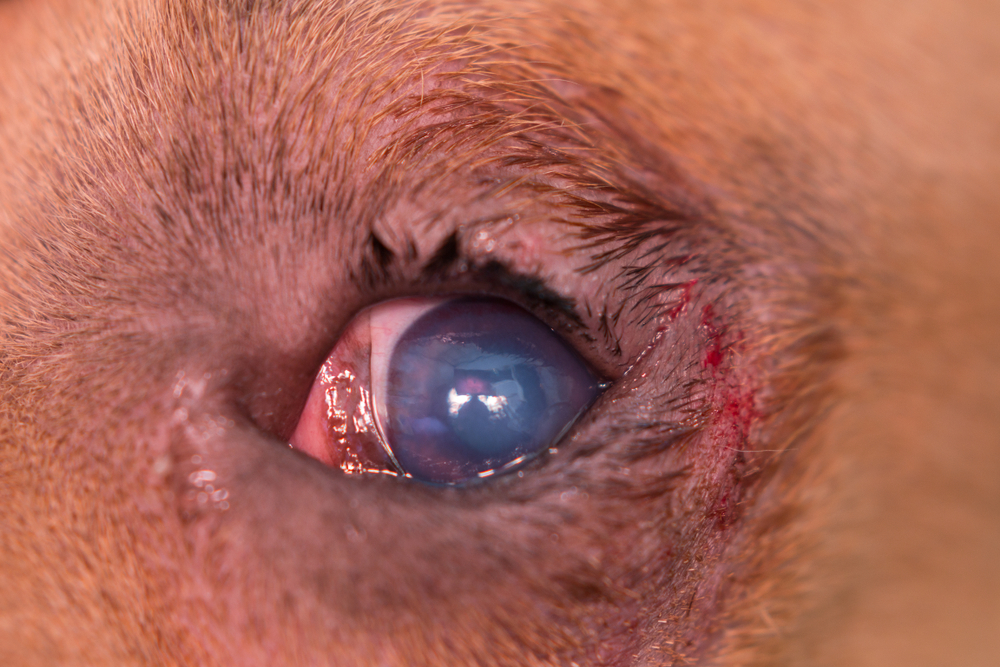
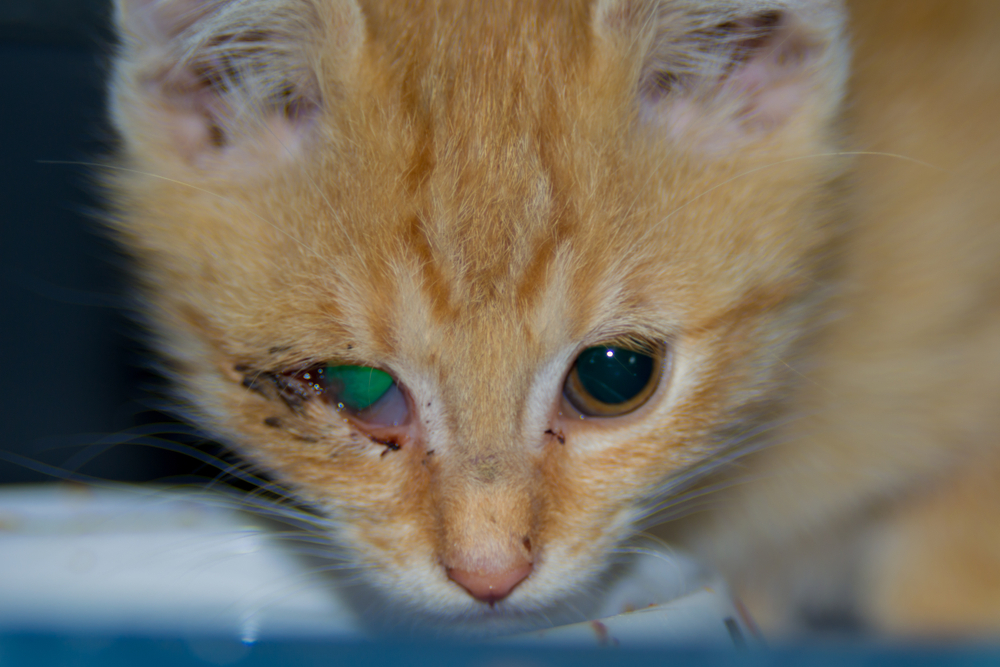
Some eyelid problems really do resolve as a pet grows, but only in a narrow set of circumstances. Puppies and kittens with mild entropion can improve as their facial structure matures, which is why veterinarians sometimes place temporary tacking sutures in very young pets rather than jumping straight to full correction. Adult dogs and cats are a different story: once the skull and skin have finished developing, a lid that turns inward or droops away from the eye will hold that shape until it is surgically repaired. The question a veterinarian actually weighs is not the pet’s age alone but whether the lid is harming the eye, because hair or lashes rubbing the cornea can cause ulcers and scarring well before the problem looks serious from the outside.
Examining a painful, squinting eye takes patience, and our Fear Free approach lets us get a careful look at the eyelids without adding stress to an already sore situation. At Star of Texas Veterinary Hospital in Austin, we evaluate the lid’s shape, stain the cornea to check for hidden damage, and tell you plainly whether your pet is a candidate for watchful waiting or needs surgical correction to protect the eye. If your dog or cat has been squinting, tearing, or pawing at one eye, request an appointment and we will help you make that call together.
Start Here: The Eyelid Basics
- Entropion is an eyelid that rolls inward so hair rubs the eye, while ectropion is a lid that sags outward and exposes the inner lid, and both are highly correctable with surgery.
- These aren’t cosmetic quirks, because a rolled-in lid can scratch the cornea and lead to ulcers, scarring, and even vision loss when it’s left alone.
- Young puppies and kittens with mild entropion may improve with temporary tacking sutures, but adult dogs and cats usually need permanent correction once the face has stopped growing.
- Most pets are noticeably more comfortable within days of surgery, and a conservative repair aims to protect the eye without overcorrecting into the opposite problem.
What Is the Difference Between Entropion and Ectropion in Dogs and Cats?
Entropion and ectropion are both eyelid position problems, and both respond very well to treatment. Entropion is an eyelid that rolls inward, so fur and lashes drag across the surface of the eye with every blink. Ectropion is the reverse, a lower eyelid that sags outward and droops away from the eye, leaving the pink inner lid and conjunctiva exposed to dust, wind, and everyday bacteria. Telling them apart matters, because each one troubles the eye in a different way.
| Entropion | Ectropion | |
| How the lid sits | Rolls inward, toward the eye | Sags outward, away from the eye |
| What you notice | Squinting, tearing, a lid that looks rolled under | A droopy lower lid, red exposed inner tissue |
| Main risk | Lashes scratch the cornea and cause ulcers | Chronic irritation and recurring infection |
Which Dogs and Cats Are Most Likely to Develop Eyelid Problems?
The pets most likely to develop entropion or ectropion are the ones whose faces are built for it. Most eyelid disorders trace back to inherited facial architecture, the loose skin, deep-set eyes, and heavy brows that gradually pull a lid out of its normal position.
- Entropion-prone breeds: Dogs with loose facial skin or deep-set eyes, like Shar-Peis, Chow Chows, English Bulldogs, and Mastiffs, are quick to roll a lid inward.
- Ectropion-prone breeds: The naturally loose lower lid of Saint Bernards, Bloodhounds, Basset Hounds, and Cocker Spaniels tends to sag outward.
A few breeds manage both at once, showing an inward-rolled upper lid over a sagging lower one. Breed isn’t the whole story: age-related tissue changes, chronic inflammation and scarring, past injuries, and pain-induced squinting can all shift a lid, even in a mixed-breed pet with no family history. If your dog or cat is on one of these lists, it’s worth asking us about lid conformation during routine preventive wellness care visits, before a breed tendency becomes a sore eye.
How Do I Know If My Pet’s Eyelid Problem Is Hurting Them?
Squinting, excessive tearing, pawing at the face, and sudden sensitivity to light are all signs of eye pain, not quirks a pet will simply get used to. When one eye looks or acts different from the other, it’s asking for help.
Other clues are worth watching for too:
- Redness or a film over the surface: the white looks pink, or the eye looks hazy.
- Discharge: watery, thick, or crusted, especially when it keeps coming back.
- A lid held shut: a pet who keeps one eye closed or turns away from bright light.
- Rubbing: dragging the face along furniture and carpet, or pawing at it.
- A visible roll or sag: you can actually see the lid turned in or drooping down.
Left uncorrected, the constant friction of an inward-rolled lid can wear through the outer surface of the eye and open corneal ulcers, painful erosions that can scar the cornea and threaten vision. A lid that sags outward tends to pool tears and trap grit, and around Austin, cedar season and dusty, windy afternoons give it plenty to catch. The eye discharge that follows points to the chronic irritation and low-grade infection that ectropion invites.
The longer either condition goes unaddressed, the more complicated the repair becomes, so if your pet is squinting or holding an eye shut, reach out right away instead of waiting to see if it clears on its own. A sudden, severely painful or cloudy eye is more urgent still and should be seen the same day.
How Do Veterinarians Diagnose Entropion and Ectropion?
Diagnosing a rolled or sagging lid starts with a close look at how the eyelid sits against the eye while your pet is relaxed. A drop of topical anesthetic is part of that, because it helps us tell a truly turned lid from a sore eye that’s only squinting hard.
- A full eyelid and cornea exam: we check whether hair touches the surface and where the pressure lands.
- Corneal stain and tear measurement: two of the ocular tests we lean on most, a fluorescein stain that lights up corneal scratches and a tear-film measurement that shows whether the eye makes enough moisture to protect itself.
- A lash check: eyelash problems, the extra or misdirected hairs that grow toward the eye, can cause the very same corneal irritation as a rolled-in lid, sometimes at the same time.
All of it happens during a single visit, and our diagnostic testing picks up damage you can’t spot from across the room.
What Are the Treatment Options for a Rolled or Sagging Eyelid?
Treatment for entropion and ectropion runs from temporary stitches that buy time to permanent surgery that fixes the lid for good. The right path depends on your pet’s age, how severe the malposition is, and whether the eye is already irritated.
Can a Growing Puppy or Kitten Be Treated Without Full Surgery?
For a young or still-growing patient, temporary eyelid tacking uses a few well-placed sutures to hold the lid in a normal position while the face finishes maturing, and it can be repeated as the pet grows. It also helps a painful eye that’s squinting itself into a temporary inward roll. Once the anatomy settles, we reassess and decide whether permanent correction is even needed.
What Does Permanent Eyelid Surgery Involve?
Corrective eyelid surgery removes or repositions a carefully measured crescent of skin and muscle, and a deliberately conservative approach matters because taking too much tissue can flip the eye into the opposite malposition. The exact technique depends on your pet’s condition, species, and anatomy, which is why an experienced veterinary team plans each repair around the individual eye rather than a template. More involved corrections may be scheduled with an ophthalmologist, and we’ll refer you if we think your pet would benefit from specialist input.
Is Feline Entropion Different From the Canine Version?
Entropion in cats tends to appear later in life and often travels with other ocular surface disease, so a feline patient may need a combination of techniques tailored to that specific eye rather than a single standard repair.
What Happens on the Day of Eyelid Surgery?
On surgery day, your pet arrives on an empty stomach, we confirm the surgical plan, and we make sure they’re healthy enough for anesthesia before anything begins.
Keeping anxious patients calm and comfortable begins before the anesthesia does, with low-stress handling and pre-visit medication when a nervous patient needs it. The rest of the day follows a steady rhythm:
- Pre-anesthetic bloodwork: run in our in-house lab to confirm the organs can clear anesthesia safely.
- A tailored anesthetic plan: dosed to your pet’s age, weight, and health rather than a one-size protocol.
- Pain control from the start: so comfort is managed before, during, and after the repair.
- Continuous monitoring: heart rate, breathing, oxygen, and temperature tracked throughout the procedure.
- A supervised wake-up: a warm, quiet spot to come out of anesthesia while we watch closely.
What Does Recovery After Eyelid Surgery Look Like?
Recovery from eyelid surgery is usually smooth and short. The first few days are about protecting the eye, giving medications on time, and keeping the cone on around the clock.
What Should the First Few Days Look Like?
| Normal in the first few days | Call us right away |
| Mild swelling or bruising around the lids | Swelling that keeps growing or oozes |
| A little squinting or watering | An eye held fully shut past day two |
| Sleepy the first night | Not eating by the next day |
| An incision that looks clean and dry | A lost suture or a cloudy, painful eye |
The cone is not optional. One good rub against the couch can pull a suture and undo the repair, so it stays on until we say otherwise. Administering eye medications goes far more smoothly with clean hands, a calm hold, and a steady angle that keeps the tube or dropper tip from touching the eye. If anything in the right-hand column shows up, call us rather than waiting for the scheduled recheck.
How Long Until My Pet Is Fully Healed?
- The first 10 to 14 days: sutures stay in while the incision knits, so keep the cone on and the drops going.
- Suture removal: handled at a recheck once the lid has healed enough.
- Two to four weeks: the swelling fully resolves and the lid’s final resting position becomes clear.
- An occasional touch-up: a small second adjustment once the lid settles is routine rather than a setback.
How Successful Is Surgery for Entropion and Ectropion?
Surgery for entropion and ectropion has a strong track record, and most pets act noticeably more comfortable within days of the lid being fixed. How completely an eye bounces back depends on a few things:
- Severity of the malposition: a mild roll corrects more completely than a long-standing, severe one.
- The eye’s overall health: older corneal scarring may not fully clear, though surgery brings relief from pain and protection from new damage.
- Facial maturity: a finished, stable face holds the repair far better than a still-growing one.
- Home care: cone discipline and on-time medication protect the result.
Getting the measurement right is where our doctors’ surgical experience with conservative correction shows. Once healed, ongoing eye-health monitoring at routine visits catches any late change early. One more note for the show ring: if your dog competes, it’s worth checking your breed registry’s rules on surgically corrected eyelids before you schedule, since some events have policies about altered dogs.
Common Questions About Entropion and Ectropion
Is eyelid surgery painful, and how will my pet feel afterward?
Your pet is fully asleep under anesthesia for the repair, so they feel nothing during the procedure itself. Afterward, we send home pain medication, and most dogs and cats are bright and eating within a day. The biggest job at home is keeping the cone on so a rub doesn’t undo the work while the area is still tender.
Can entropion or ectropion come back after surgery?
For a fully grown pet, a properly measured repair is usually permanent. Because we correct conservatively to avoid overshooting, a small number of pets need a minor second adjustment, which is planned for rather than a failure. In a young, still-growing patient, the face can keep changing, so puppies and kittens are more likely to need staged treatment before a final correction once the bones stop growing.
Do mild eyelid problems ever really need surgery?
It depends entirely on whether the lid is touching and harming the eye. If hair is rubbing the cornea, even a mild-looking roll can cause ulcers and scarring, so it’s not something to leave alone. If the lid is only slightly off, stable, and clearly isn’t contacting the surface, careful monitoring may be all that’s needed for a while. The exam, not the appearance from across the room, is what settles the question.
Getting Ahead of an Eyelid That Rolls or Sags
Entropion and ectropion are both very manageable, and the sooner a lid that turns in or droops out gets corrected, the more comfort and vision you protect. Precise, conservative surgery relieves the pain and gets most dogs and cats back to normal life quickly.
If you’ve noticed squinting, tearing, or a lid that just looks off, schedule an evaluation at Star of Texas Veterinary Hospital in Austin, and we’ll help you decide whether to watch and wait or move toward correction.