
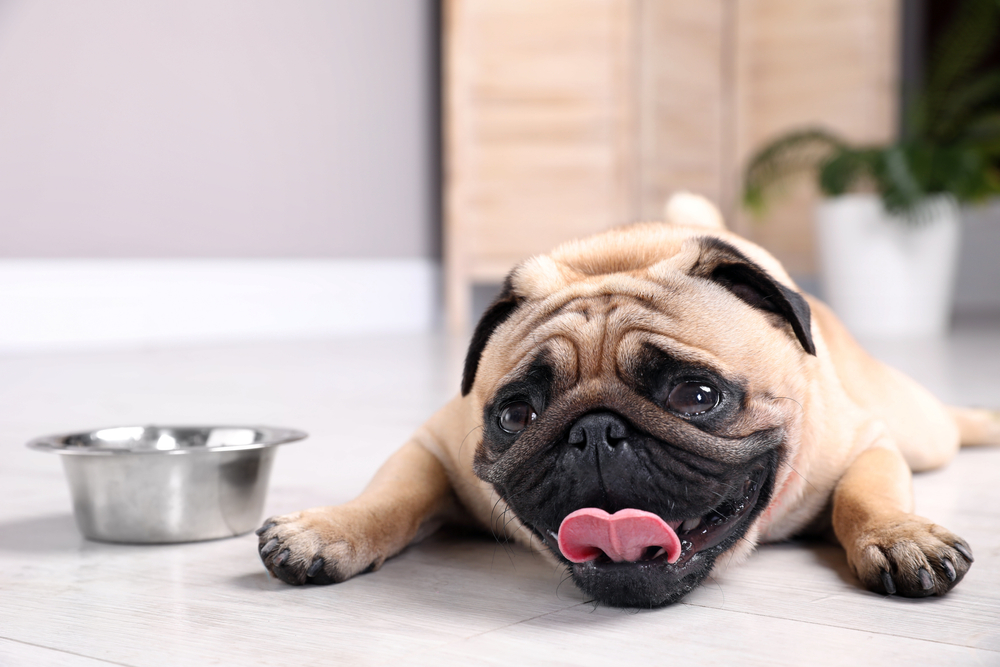
The difference between overheating and heat stroke comes down to whether your pet can still regulate their body temperature. A panting dog who still responds to you, drinks water, and settles in the shade is overheated but still coping. A pet with brick-red or muddy gums, thick ropey drool, a glassy stare, vomiting, or weakness in the hind legs has likely progressed to heat stroke. Cats often hide signs longer, then suddenly develop open-mouth breathing, lie flat against cool tile, or collapse. By the time these signs appear, internal temperatures may already be high enough to damage the organs. Start cooling immediately with cool (never icy) water over the belly, groin, and paw pads while someone else drives to the veterinarian.
Star of Texas Veterinary Hospital treats heat-stressed dogs and cats throughout Austin’s hottest months, using in-house bloodwork, X-ray, and ultrasound to look for the kidney, liver, and clotting problems that can follow an overheating episode. Fear and struggling also make it harder for an overheated pet to cool effectively, which is why our Fear Free approach helps reduce additional stress during treatment. If you recognize the early signs of overheating, begin cooling at home and request a same-day appointment so we’re ready when you arrive. If your pet is showing severe signs and we’re closed, head straight to the nearest veterinary emergency hospital.
The Fast Version for a Hot Texas Day
- Overheating and heat stroke exist on the same spectrum, but once your pet develops brick-red or muddy gums, thick ropey drool, weakness, or collapse, it’s a true emergency.
- Cool (never icy) water over the belly, groin, and paw pads, combined with moving air, is the safest first aid. Avoid ice baths or towels draped over your pet, which can actually slow cooling.
- Even if your pet seems much better after first aid, heat stroke can continue damaging the kidneys, liver, heart, and clotting system over the next one to three days, making a veterinary examination important.
- In Austin’s climate, prevention is far easier than treating heat stroke. Walk during the coolest parts of the day, keep fresh water readily available, and never leave a pet in a parked car, even with the windows cracked.
When Does Heat Stress Turn Into Heat Stroke?
The signs of heatstroke in pets develop along a spectrum, beginning with heavy panting and restlessness before progressing to excessive drooling, bright-red gums, vomiting, weakness, and eventually collapse. The early stage is your opportunity to intervene before permanent injury develops, so recognizing where your pet falls on that spectrum matters.
| Stage | What you’ll see | What it means |
|---|---|---|
| Early heat stress | Heavy panting, pacing, seeking cool spots, drinking a lot | Your pet is still regulating body temperature, but the margin for safety is shrinking. Start cooling immediately. |
| Moderate | Thick ropey drool, bright or dark red gums, glassy stare, weakness | Your pet is losing the ability to cool themselves effectively. Begin active cooling and call your veterinarian right away. |
| Severe | Vomiting or diarrhea (sometimes bloody), stumbling, collapse, seizures | Heat stroke is now a true emergency. Continue cooling while heading to the nearest veterinary hospital. |
Gum color is one of the quickest things you can check at home. Healthy gums are bubblegum pink. Brick-red, muddy, or purplish gums indicate the body is under serious stress. Cats deserve special attention because they often hide illness until they’re critically affected. Open-mouth breathing, lying flat against cool tile, or sudden lethargy in a hot environment should always be treated as an emergency.
Your Pet Is Overheating: What Do You Do in the First Sixty Seconds?
The priority is active cooling with cool water and airflow. Move your pet into air conditioning or deep shade, then apply cool water to the belly, groin, armpits, and paw pads while using a fan or moving air to speed evaporation. Skip the ice bath, and don’t drape wet towels over your pet, as both can slow effective cooling. If possible, have someone else call the hospital while you begin first aid.
- Move to a cooler area: Bring your pet indoors into air conditioning or into deep shade as quickly as possible.
- Apply cool water: Wet the belly, groin, armpits, and paw pads with cool (not icy) water, where large blood vessels lie close to the surface.
- Increase airflow: Use a fan or the car’s air conditioning to help evaporation cool the body more efficiently.
- Offer small drinks: If your pet is alert, allow small sips of cool water. Never force water into the mouth of a weak or groggy pet.
- Avoid ice and wet towels: Ice causes blood vessels near the skin to constrict, while towels draped over the body trap heat instead of releasing it.
- Don’t overcool: As your pet becomes more comfortable and the heavy panting improves, reduce active cooling to avoid dropping body temperature too far.
Keep cooling while you’re on the way to the hospital rather than waiting to see whether your pet recovers. Call us immediately so we can prepare for your arrival and provide guidance while you’re on the way.
What Are the Three Layers of Heat Stroke Care at the ER?
In the hospital, heat stroke treatment follows three priorities. First, we continue controlled cooling to lower body temperature safely without overcooling. Next come intravenous fluids to restore circulation and support the organs. Finally, we monitor for the complications that make the first 24 hours after heat stroke the most dangerous.
Even when a pet arrives quickly, heat stroke carries a real risk of death. That’s why we focus on understanding what’s happening inside the body as soon as possible. In-house bloodwork evaluates kidney and liver function, X-rays and ultrasound help identify internal complications, and ongoing monitoring allows us to catch problems before they become more serious. Our team provides urgent and emergency care during regular business hours, so begin cooling, call ahead, and come straight in. If your pet is in severe distress after hours, head directly to the nearest veterinary emergency hospital.
The Crisis Looks Over, So Is the Danger Really Gone?
Not always. One of the most misleading parts of heat stroke is that many pets seem much better after they’ve cooled down. The temperature falls, the panting eases, and they may even start acting like themselves again. Unfortunately, delayed organ damage affecting the kidneys, liver, heart, and intestines can continue developing over the next 24 to 72 hours.
Heat stroke can also trigger a body-wide inflammatory response known as SIRS (systemic inflammatory response syndrome), along with dehydration and damage to multiple organs. One of the most serious complications is disseminated intravascular coagulation, a disorder that disrupts normal clotting and can lead to dangerous internal bleeding even after body temperature has returned to normal.
This is why every pet recovering from heat stroke deserves a veterinary examination, even if they appear much improved at home. Follow-up bloodwork over the next several days can identify kidney injury, liver damage, or clotting abnormalities before they become life-threatening.
Which Pets Are Built to Overheat First in the Texas Heat?
Flat-faced breeds, thick- or dark-coated pets, puppies and kittens, seniors, overweight pets, and animals with heart or respiratory disease all overheat more quickly than healthy adult pets. Dogs and cats rely almost entirely on panting to regulate body temperature, so once that cooling system can’t keep up on a hot Texas afternoon, internal temperatures can rise rapidly.
Pets sweat only a small amount through their paw pads, leaving them with very few ways to lose excess heat. Knowing whether your pet falls into a higher-risk group helps you make smarter decisions before temperatures become dangerous.
- Flat-faced breeds: Bulldogs, French Bulldogs, Boston Terriers, Persian cats, and Himalayan cats move much less air with each breath, making it harder to cool themselves. Research on brachycephalic thermoregulation also shows that keeping these pets lean improves their ability to regulate body temperature.
- Thick or dark coats: Double-coated and dark-colored pets absorb and retain more heat during sunny weather.
- Age extremes: Puppies, kittens, and senior pets have a harder time regulating body temperature than healthy adults.
- Body condition: Extra body fat acts as insulation, making it more difficult for the body to release heat.
- Underlying disease: Heart disease, airway disorders, and conditions such as laryngeal paralysis reduce a pet’s ability to tolerate heat.
Every pet’s risk is different, so their summer routine should be too. A young, lean mixed-breed dog and an overweight senior French Bulldog need very different precautions during Austin’s hottest months. If you’re unsure where your pet falls, we’re happy to discuss weight and body-condition guidance and build a prevention plan that’s tailored to your pet. Flat-faced breeds deserve especially close attention because they can reach a dangerous body temperature much faster than longer-nosed dogs.
Staying Ahead of the Heat: Water, Cooling Gear, and a Watchful Eye
Good heat safety starts with a few simple habits: keep fresh water available at all times, provide shade and cool places to rest, use cooling aids when needed, and pay attention to the earliest signs that your pet is getting too warm. Small changes in your daily routine can make a big difference during an Austin summer.
- Keep water available: Place multiple bowls around the house and yard, refill them often, and bring water with you on walks or outings.
- Use cooling aids: Cooling mats, fans, and cool surfaces give pets a comfortable place to lower their body temperature.
- Build in breaks: Offer frequent rest periods in the shade before your pet becomes tired or overheated.
- Watch for early warning signs: Heavy panting, slowing down, or seeking shade are signals that it’s time to stop and cool off.
Every pet has different needs. A thick-coated dog, a senior cat, and a young athletic Labrador all tolerate heat differently. If you’d like help choosing cooling products or planning for your pet’s summer routine, our team is happy to provide personalized recommendations.
The Pavement Test: Is It Actually Safe to Walk Right Now?
One of the easiest ways to prevent heatstroke is to plan walks for the early morning or late evening, when both the air and pavement are cooler. Before heading out, place your hand on the pavement. If you can’t comfortably keep it there for about seven seconds, it’s too hot for your pet’s paw pads.
Pay attention to your pet as much as the weather. If panting becomes heavy, your dog’s tongue hangs farther out than usual, or they begin slowing down or falling behind, it’s time to end the walk and cool off. Whenever possible, choose shaded grass or dirt paths instead of hot asphalt. If you’d like help developing a summer exercise plan based on your pet’s breed, age, and fitness level, bring it up at your next visit and we’ll help you put one together.
A Cracked Window Won’t Save Them: The Parked-Car Trap
Even in the shade, the inside of a parked car can reach about 120°F within 20 minutes on an 85°F day. Cracked windows do little to prevent dangerous heat buildup, and pets die in hot vehicles every summer.
A quick errand can easily take longer than expected, and it simply isn’t worth the risk. If your pet has been left in a hot car and is showing signs of overheating, begin cooling immediately and contact us for guidance. If your pet needs to be seen, our Fear Free gentle handling helps reduce stress during treatment, which can make an overheated pet easier to stabilize.
How Do You Keep an Outdoor Cat Safe in the Heat?
Outdoor cats need constant access to fresh water, reliable shade, and a cool place to escape the hottest part of the day. The goal is to make sure your cat always has a way to get out of the heat before it becomes dangerous.
Outdoor cat safety starts with clean, cool water. Refresh water bowls often, and place them in several shaded locations so they stay cooler throughout the day. Provide a well-ventilated shelter rather than an enclosed box that traps heat, and consider a supervised catio or enclosed outdoor space that lets your cat enjoy time outside without prolonged exposure to direct sun.
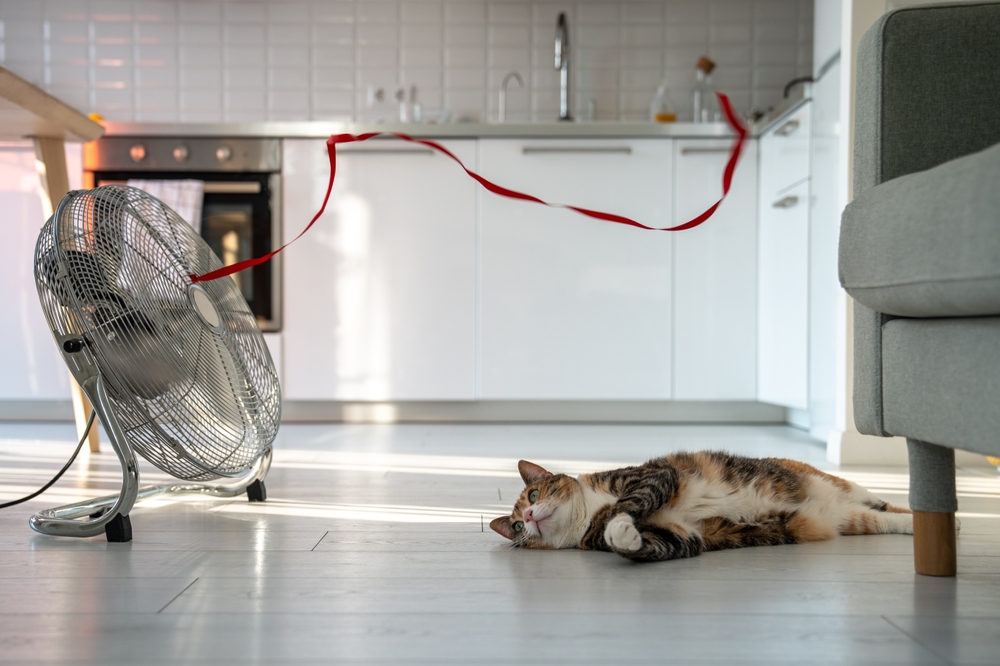
How Do You Keep an Indoor Pet Cool and Content During a Heat Wave?
Keeping an indoor pet comfortable during a heat wave is about lowering body temperature without sacrificing mental stimulation. Run the air conditioner or fans, leave cool tile or other hard flooring accessible, create shaded resting areas away from sunny windows, and focus on enrichment activities that don’t require vigorous exercise.
On the hottest afternoons, indoor boredom busters provide mental stimulation without raising body temperature. Simple DIY enrichment toys, frozen food puzzles, short training sessions, and chilled treats are all great ways to keep pets engaged while staying cool.
Heat Stroke Questions Texas Pet Families Ask Us Most
Can heat stroke happen indoors or on a cloudy day?
Yes. Heat stroke can happen indoors or on cloudy days, especially during a Texas heat wave. Homes without air conditioning can become dangerously warm, and high humidity makes panting much less effective even when the sun isn’t shining. Flat-faced breeds, senior pets, and animals with heart or respiratory disease can overheat indoors without ever being in direct sunlight. Continue watching for heavy panting, restlessness, or weakness whenever temperatures are high.
What’s a normal temperature for a dog or cat, and when is it an emergency?
A normal body temperature for dogs and cats ranges from about 100.5°F to 102.5°F. Heat stroke generally begins once body temperature rises above approximately 104°F, and temperatures over 106°F carry a high risk of organ damage. You don’t need to confirm a temperature before acting, though. If your pet develops brick-red gums, thick drool, weakness, stumbling, or collapse, begin cooling immediately and contact a veterinarian.
Are some pets more prone to heat stroke than others?
Yes. Flat-faced breeds such as Bulldogs, French Bulldogs, Boston Terriers, and Persian cats are especially vulnerable because they have a harder time cooling themselves through panting. Puppies, kittens, senior pets, overweight animals, and pets with heart or airway disease are also at much higher risk. If your pet falls into one of these groups, use extra caution during hot weather and don’t hesitate to call us if you’re concerned.
A Cooler, Calmer Summer for Every Austin Pet
Heat stroke is one of the most serious emergencies we see, but it’s also one of the most preventable. Paying attention to early signs of overheating, adjusting walks to cooler parts of the day, keeping fresh water available, and acting quickly when something doesn’t seem right can prevent a frightening emergency.
If you’d like a summer safety plan tailored to your pet’s breed, age, and lifestyle, schedule a wellness exam and we’ll help you put one together. And if your pet is showing signs of heat stroke, begin cooling immediately and call us on the way so we’re ready when you arrive or head to the nearest 24/7 veterinary ER.