
Your pet needs a different kind of vet visit every few years because the problems they face change with each life stage. A puppy or kitten visit centers on vaccines, deworming, spay and neuter timing, and early behavior coaching. An adult visit focuses on weight, dental care, parasite prevention, and catching subtle changes early. A senior visit shifts to annual bloodwork, mobility, cognition, and the diseases that show up after age seven for dogs or ten for cats. Treating a 12-year-old cat the way you treated her at 12 weeks misses most of what matters now.
Star of Texas Veterinary Hospital in Austin builds Fear-Free, individualized exams around your pet’s actual life stage and breed, with lab testing on hand for the issues that come up as dogs and cats age. We walk you through what your pet’s current stage really calls for and what risks they may have based on their breed and lifestyle, rather than handing you a generic checklist. Schedule a visit when you want a fresh look at what your puppy, adult, or senior pet needs next.
Life-Stage Care in a Nutshell
- A pet’s veterinary care is a sequence of different visits, not one repeating checkup, and priorities shift from puppy or kitten to adult to senior.
- The first year packs in the most appointments on purpose, because vaccines, parasite protection, spay and neuter timing, dental habits, and socialization lay a foundation the rest of life builds on.
- Adult visits are about maintenance and early detection, catching weight creep, tooth trouble, and endocrine changes while they are still small and easy to manage.
- Once a pet turns seven, twice-yearly exams and bloodwork become standard because the diseases of aging are far more treatable when we find them before symptoms show.
How Do a Dog’s and Cat’s Life Stages Actually Break Down?
Most dogs and cats move through four broad stages: puppy or kitten, young adult, adult, and senior. Each carries its own visit rhythm and focus, and the age boundaries flex depending on breed, body size, and health. A Great Dane is a senior years before a Chihuahua is.
Here is the general map we work from, with the understanding that your pet’s actual timeline may land earlier or later.
| Life stage | Rough age range | Visit cadence | Primary focus |
| Puppy / kitten | 8 weeks to ~1 year | Every 3–4 weeks early, then as needed | Vaccine series, deworming, spay/neuter, dental habits, socialization |
| Young adult | ~1 to 3 years | Annual | Establishing a healthy baseline, dental care, lifestyle-based prevention |
| Adult | ~3 to 7 years (small), earlier for large breeds | Annual or twice yearly | Weight, dental disease, early detection, endocrine health |
| Senior | 7+ for dogs, 10+ for cats (earlier for giant breeds) | Twice yearly | Bloodwork, mobility, cognition, quality of life |
Because size is the biggest variable, we treat the table as a starting point and adjust it together, moving giant breeds toward the senior schedule sooner and letting small dogs and cats stay solidly middle-aged well past ten.
Which First-Year Habits Set Your Puppy or Kitten Up for Life?
The first year is the busiest stretch of a pet’s veterinary life, and that is by design. The choices made between eight weeks and one year shape immune health, parasite protection, dental comfort, and behavior for the next decade. The routines you start now, from a toothbrush to a carrier, pay off longest.
What is the socialization window and why does it matter so much?
Early experiences write the baseline for how a pet reacts to the world for life. The window for socialization for puppies and kittens is narrow and early, roughly 3 to 14 weeks for dogs and 2 to 9 weeks for cats. For dogs, this period begins before the shot series is finished, so choose settings you can control: puppy classes with vaccinated peers and gentle introductions rather than dog-park free-for-alls. For kittens, most of this happens at home, with gentle handling and turning the carrier into a familiar, food-friendly spot.
A part of socialization is getting your new pet used to vet visits. We offer no-charge Happy Visits that build positive associations with the clinic, and an option for more structured Victory Visits with targeted training to help decrease fear at the vet, so the exam room becomes a place of treats instead of dread. Our Cat-Friendly, Fear-Free care guides how we handle your pet.
Do puppies and kittens need parasite prevention right away?
Parasite prevention needs to begin right away for puppies and kittens, usually sooner than families expect. Most arrive already carrying worms passed through the placenta or the mother’s milk, so year-round protection starts on day one and never really stops. One parasite deserves special mention: in a mosquito-active climate like Central Texas, heartworm prevention is non-negotiable every month of the year, even for an indoor-only cat. We stock parasite preventives for dogs and cats, covering fleas, ticks, and heartworm, so the right products for your pet’s stage are easy to keep on hand.
Why do puppies and kittens need so many visits so close together?
Antibodies in a mother’s colostrum temporarily shield a puppy or kitten from disease, but those same borrowed defenses also block a dose that arrives too soon. Because that maternal protection fades at different rates in every individual, spacing the early vaccine series every three to four weeks through about 16 weeks closes the gap. Each visit also includes a full physical exam, which is often how a congenital heart murmur, a hernia, or a retained baby tooth gets caught early. Building the schedule of core and lifestyle-based vaccines around your pet’s age and daily routine is a big part of what those early visits accomplish.
When should I spay or neuter my pet?
The old “six months, no exceptions” rule has softened into something more tailored. For most cats and small-to-medium dogs, that timeline still fits; for large and giant breeds, mounting evidence supports waiting until the growth plates close. The health payoff is real either way. Spaying eliminates the risk of pyometra, a life-threatening uterine infection, and lowers the odds of mammary cancer; neutering removes the risk of testicular disease and curbs some hormone-driven behaviors. We talk through the right window for spay and neuter surgery for dogs and cats based on your specific pet.
Should I start brushing my puppy or kitten’s teeth this young?
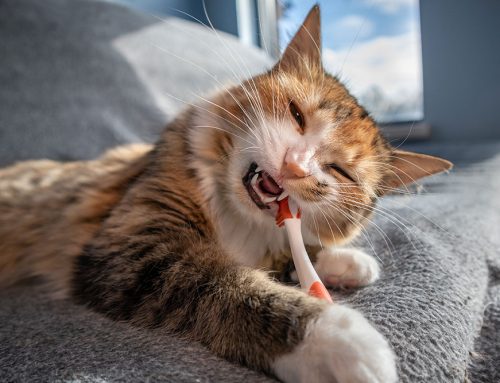
Starting a toothbrush habit this young is one of the easiest wins in the whole first year. A puppy or kitten who grows up with a finger brush and enzymatic toothpaste treats dental care as ordinary, while the same routine introduced at five is a daily negotiation. Start slow, let them lick a dab off your hand, then progress to short brushing sessions. The habit is what you are building, not perfection.
Where Should Attention Go Once Your Pet Is Grown?
Once a pet crosses into adulthood, the visit rhythm settles into an annual or twice-yearly pattern, and the focus shifts. The first year was about building immunity and getting through growth. Adulthood is about holding a healthy pet steady and spotting the first hints of trouble before they turn into something bigger.
What does a yearly wellness exam actually check?
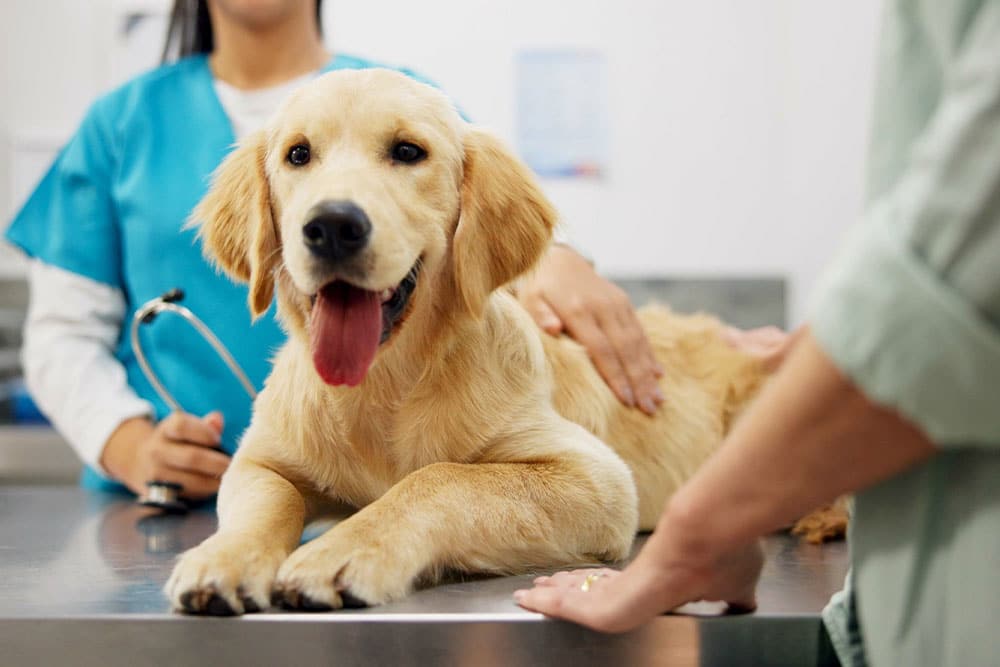
A thorough adult wellness visit is far more than a quick look and a couple of shots. We assess body condition, palpate the abdomen, listen to the heart and lungs, evaluate the mouth and teeth, check the joints, and examine the eyes and ears. Lab work earns its place too: testing during the healthy years shows us what normal looks like for your pet, so a subtle shift five years from now stands out instead of hiding. A thorough annual wellness exam with baseline bloodwork is the single most useful thing a healthy adult dog or cat does all year.
How serious is dental disease in adult pets?
Dental disease is one of the most common conditions we see in adult dogs and cats, and it is almost always worse than it looks from the outside. The damage that causes pain and loosens teeth happens below the gumline, where only X-rays can reveal it. That is why a full-mouth dental evaluation and cleaning under anesthesia is the real standard rather than a surface scale. How often a pet needs one depends on breed and home care.
Can surgery help breed-related problems in adulthood?
Surgery can help several breed-related problems in adulthood, and the timing matters. Once a dog reaches skeletal maturity, certain procedures can meaningfully improve daily comfort. For a flat-faced breed struggling to move air, surgical correction of brachycephalic obstructive airway syndrome works best before the strain causes lasting damage. Entropion, where the eyelid rolls inward and the lashes rub the eye, is another one worth fixing early in prone breeds, sparing the cornea from constant irritation. Hip dysplasia, dental abnormalities, and a number of other conditions treated at this stage set your pet up for a lifetime of better health.
How do parasite prevention and vaccines change as pets grow up?
The prevention plan is not static; it flexes as habits and routines change. A dog who hikes, travels, boards, or frequents dog parks needs different coverage than a homebody. We match the plan to how your pet actually lives.
How do I keep my adult pet from slowly gaining weight?
Adult weight gain is sneaky. It creeps on a few ounces at a time, invisible day to day, until suddenly the harness needs another notch. Annual weight tracking catches the trend while it is still easy to reverse, and prevention usually starts with honest portion measuring and cutting back on extra treats. Sometimes the extra pounds are more than calories, though. When a middle-aged dog puts on weight, slows down, and loses coat quality, hypothyroidism is often the reason, and a simple thyroid panel confirms it. That is one more way routine adult bloodwork earns its keep.
What Does the Senior Chapter Ask You to Watch For?
By the time a pet reaches their senior years, the goal shifts again, this time toward finding and managing the diseases of aging while they are still quiet. This stage arrives earlier for large and giant breeds and later for small dogs and cats. It is where twice-yearly attention pays off the most, and where the right testing turns vague “old age” into something we can actually treat.
What does senior screening include?
Screening at this age goes deeper than an adult panel because we are now hunting for the diseases of aging before they announce themselves. Once a pet turns seven, preventive testing for senior pets expands to include blood panels, urinalysis, blood pressure, and sometimes imaging, checked twice a year rather than once.
What conditions turn up most often on senior screening?
Most of what we find on senior screening is highly manageable when caught early, which is the entire reason for looking. Chronic kidney disease sits near the top of that list, and catching it while a cat still feels well buys months or years of good quality of life. The other conditions we identify most often:
- Osteoarthritis: more common and more silent than most families realize, especially in cats who simply stop jumping instead of limping.
- Feline hyperthyroidism: drives weight loss despite a big appetite, plus restlessness and a poor coat in older cats.
- Diabetes: shows up as increased thirst, more urination, and pounds gained or lost, and is very treatable once identified.
- Cognitive decline: can look like nighttime pacing, disorientation, or forgetting familiar routines.
- Vision loss: sudden retinal detachment or glaucoma can follow uncontrolled hypertension, which is why we track that number at every senior visit.
- Heart disease: mitral valve disease is very common in small dogs; large dogs and cats also develop their own kinds of heart disease.
- Cancer: as pets get older, risk rises; certain breeds are more prone to develop certain cancers.
Finding any of these early almost always means a gentler, more effective plan than waiting until a pet is clearly sick.
Does my pet’s breed change the senior plan?
It does, and knowing the breed lets us watch the right things. Large breeds carry a higher lifetime cancer risk, so we stay alert to new lumps, unexplained weight loss, and lameness. Small dogs like Cavalier King Charles Spaniels are predisposed to mitral valve disease, a slowly leaking heart valve we track over time. Long-backed breeds such as Dachshunds and Corgis carry ongoing intervertebral disc risk, so we build weight management and back protection into their plan. Breed is not destiny, but it tells us where to point the flashlight.
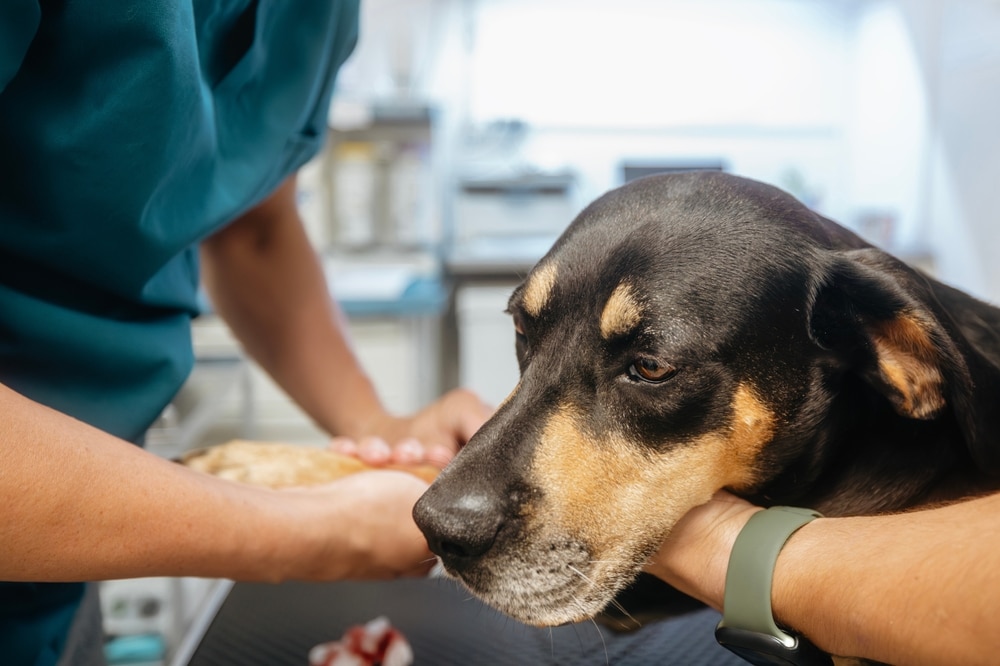
How do I know when it is time, and how does quality-of-life planning work?
Quality-of-life conversations belong throughout senior care, not just at the very end. Thinking about it early takes the pressure off, so it becomes an ongoing check-in rather than a single crushing decision made in crisis. Structured quality-of-life assessments turn the hardest question a family faces, when is it time, into something concrete they can return to and re-score as things change. These tools score pain, appetite, mobility, hygiene, and good days versus bad days, giving everyone a shared, honest picture. We walk through it with you and support whatever path feels right for your pet and your family, and provide gentle end-of-life care when the time comes.
Life-Stage Pet Care: Your Questions Answered
How often should my pet really see the vet at each age?
It depends on the stage. Puppies and kittens come in every three to four weeks through about 16 weeks. Healthy adults do well with an annual wellness exam, though many benefit from a second visit each year. Once a pet turns seven, twice-yearly exams with bloodwork become standard.
After that puppy or kitten series, they finish out the first year as needed. Large and giant breeds move to the senior schedule before seven, because catching age-related changes early is far easier and gentler than treating an advanced problem.
Is bloodwork really necessary if my pet seems perfectly healthy?
Bloodwork matters most when your pet seems perfectly healthy, and that is exactly the point. Dogs and cats are wired to hide illness, so by the time a pet looks sick, a condition is often well underway. Baseline labs during the healthy adult years show us what normal looks like for your pet, and senior bloodwork catches kidney, thyroid, and liver changes long before symptoms appear. Finding these things early usually means a simpler, more affordable, and more successful plan.
My senior pet just seems old and slow. Is that just aging, or something to check?
It is worth checking. Slowing down, stiffness, extra sleep, appetite or thirst changes, and confusion get written off as normal aging all the time, yet they are frequently early signs of arthritis, kidney disease, thyroid trouble, or cognitive decline. All of those are manageable, and treating them can give an older pet real comfort and more good years. If your senior seems “just old,” let us take a look, because “old” is not a diagnosis.
A Plan That Keeps Pace With Your Dog or Cat
Your pet’s veterinary care is not one plan you repeat, it is a sequence of plans that grows and changes as they do. The foundation you build in that busy first year makes adulthood smoother, the early detection of the adult years sets up a healthier senior stage, and thoughtful late-life care protects the comfort your pet has earned. Each stage builds on the one before it.
Wherever your dog or cat is right now, we would love to meet them there. Reach out with questions about what your pet’s current life stage calls for. You can also book a visit for whatever stage your pet is in now and let us build a plan that fits the pet in front of us today.