
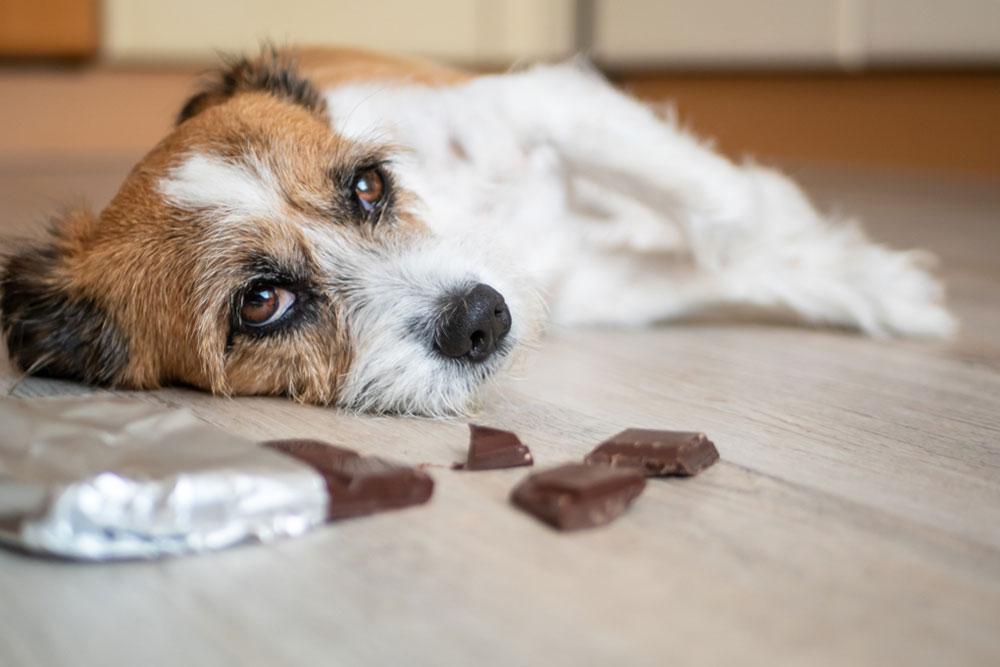
Common household products, from multi-surface sprays and floor cleaners to certain scented candles and popular houseplants, can be harmful to dogs, cats, and small mammals even in small amounts, and some exposures cause damage gradually rather than triggering an obvious emergency. Cats are especially vulnerable because they groom residues off their paws and fur, and their livers process certain compounds very differently than dogs or humans. The exposures most worth worrying about are often the ones that don’t announce themselves, which is why a home audit is worth doing before something goes wrong.
At Star of Texas Veterinary Hospital in Austin, we are Fear Free certified, which means your pet’s well-being shapes everything we do, including how we approach a toxin exposure with calm, low-stress care. Our comprehensive veterinary services include in-house diagnostics and urgent care for situations where fast action matters. If you’re concerned about something your pet may have been exposed to, give us a call and we’ll help you think it through before it becomes an emergency.
Home Toxin Audit Essentials
- Two kinds of risk: some toxins cause obvious emergencies, others build up slowly, and both matter.
- Cats are higher-risk: they process certain compounds differently than dogs and are more vulnerable to many household chemicals.
- Save the numbers now: keep the Pet Poison Helpline and ASPCA Poison Control numbers in your phone before you need them.
- Don’t induce vomiting at home without veterinary guidance; some toxins cause more damage on the way back up.
Why Is a Fast Poison Control Response So Important?
Time matters in toxin exposures, often more than people realize. Small amounts of certain substances are life-threatening, and dosing calculations and decontamination decisions hinge on knowing exactly what, how much, and when. Calling us and Poison Control early is consistently the right move, even when you are not sure whether the exposure was significant. A quick triage call lets us figure out:
- Whether the substance is genuinely toxic at the exposure dose.
- Whether decontamination (induced vomiting, activated charcoal) is appropriate.
- Whether home observation is reasonable or the pet needs to come in.
- What signs to watch for and over what timeline.
- Whether bloodwork or other diagnostics will be needed.
The Pet Poison Helpline and ASPCA Poison Control operate 24/7 and are often the fastest first step. For situations that need immediate hands-on care while we are open, our team is set up for same-day urgent visits.
What Should I Do First in a Poisoning Emergency?
Stay calm and gather information:
- Identify the substance. Bring the packaging or take a photo of the label. If it’s a plant or mushroom, use the mushroom and plant identification Facebook group to help identify what was ingested; this group is run by experts and will get you a free ID in minutes. Poison Control will tell you to post there first if you don’t know the exact plant before they will make any recommendations. Their posting guidelines explain how to capture useful photos and what information to provide.
- Estimate the amount (or the worst-case amount based on what was in the container).
- Note the time of exposure.
- Call professional help before acting. Options include our office during the day, the Pet Poison Helpline (24/7, $89 per call), and ASPCA Poison Control (24/7, $95 per call).
- Follow guidance. Do not induce vomiting unless specifically directed; some substances (caustics, sharp objects, hydrocarbons) cause more damage on the way back up.
- Bring documentation to the appointment: packaging, photos, and the case number from poison control if you called.
Save those numbers in your phone now, before you need them.
Which Foods Commonly Poison Pets?
Several common foods are genuinely dangerous to pets in surprisingly small amounts:
| Food | Why it’s dangerous
|
| Chocolate (dark and baking worst) | Theobromine and caffeine cause vomiting, agitation, tremors, racing heart, and seizures |
| Xylitol | A rapid, severe blood-sugar drop in dogs and liver failure at higher doses; a true emergency within 30 minutes |
| Grapes and raisins | Acute kidney failure; the toxic component is likely tartaric acid, so treat any amount as an emergency |
| Onions, garlic, leeks, chives | Damage red blood cells; cats are more sensitive, and powders are especially risky |
| Macadamia nuts | Weakness, vomiting, tremors, and hyperthermia, usually within 12 hours |
| Alcohol | Significant intoxication even from small amounts, including raw yeast dough |
| Yeast dough | Keeps rising in the stomach, causing GI obstruction plus alcohol toxicity from fermentation |
When in doubt about whether something rises to a pet emergency, call us before deciding.
What Household Hazards Lurk Beyond the Kitchen?
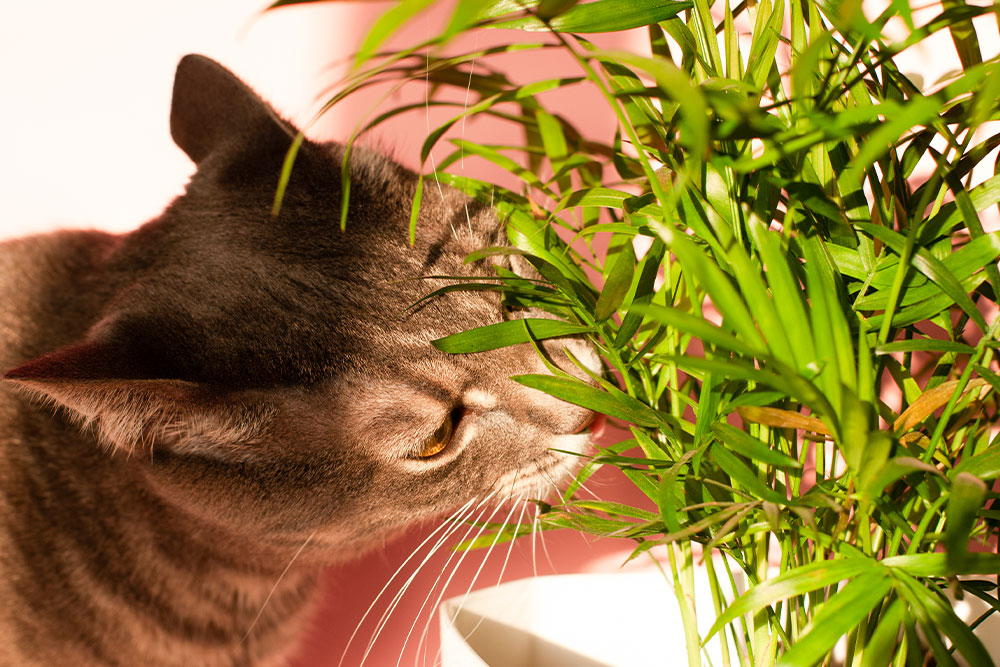
Toxins are not limited to food. A walk-through audit catches a lot of risks before they become problems.
Toxic Plants Every Pet Owner Should Know
The ASPCA maintains a comprehensive database of toxic and non-toxic plants, and it is worth bookmarking. A few standouts indoors:
- Lilies: true lilies (Lilium and Hemerocallis species) cause acute kidney failure in cats from any part of the plant, including pollen and vase water. Lily toxicity is a true cat emergency, so do not bring lilies into a home with cats, including in floral arrangements.
- Sago palm: sago palm toxicity causes acute liver failure in dogs, is highly fatal even with treatment, and is common in Austin homes and landscaping.
- Dieffenbachia, philodendron, pothos: cause oral irritation, drooling, and difficulty swallowing from calcium oxalate crystals.
- Snake plant, ZZ plant: cause GI upset, usually self-limiting but uncomfortable.
- Aloe vera: mildly toxic, causing vomiting and diarrhea.
- Bouquets: Even if the plants are “safe”, bouquets often come coated in pesticides and preservatives.
Outdoors in Central Texas, watch for oleander (a cardiac toxin deadly in small amounts), sago palm, mountain laurel (neurologic and cardiac signs), azaleas and rhododendrons, and castor bean and autumn crocus. Check toxicity before bringing new plants home; pet-safe alternatives exist for almost every style, including spider plants, Boston ferns, areca and parlor palms, African violets, and many herbs (basil, thyme, rosemary).
Wild Mushrooms in the Yard
Wild mushrooms appear unpredictably after rain and are difficult to identify even for experts, and dogs are especially at risk because they investigate with their mouths. Mushroom toxicity falls into several categories:
| Category | Effect | Onset
|
| Gastrointestinal | Vomiting, diarrhea | Within hours; usually self-limiting |
| Hepatotoxic (Amanita “death caps”) | Liver damage, can be fatal | Delayed 6 to 24 hours |
| Neurotoxic | Tremors, seizures, hallucinations | Variable |
| Nephrotoxic | Kidney damage | Often delayed |
The delayed-onset categories are particularly dangerous because a pet can seem fine for hours before serious illness appears. If you see your pet eat a mushroom or find a half-eaten one:
- Photograph the mushroom (top, underside, base, surrounding habitat) and get an ID
- Bag a sample if possible, using a paper bag.
- Call us or the Pet Poison Helpline
Yard management helps: walk your yard after rains and remove mushrooms before pets find them, and keep dogs on leash on hikes where mushroom growth is dense.
Grape and Raisin Toxicity From Backyard Grapevines
This is worth flagging separately because backyard grapevines and grape arbors are common in Austin and the toxicity is real. As above, the toxic component appears to be tartaric acid, and individual variability means there is no reliable “safe” dose. Treat every grape or raisin ingestion as an emergency, even a single grape, and call us immediately for decontamination guidance.
Rodenticides and Insect Bait Dangers
Rodenticides cause multiple types of toxicity depending on the active ingredient.
- Anticoagulants (brodifacoum, bromadiolone) prevent blood clotting, with symptoms often delayed 3 to 5 days.
- Bromethalin causes brain swelling with rapid onset and no antidote.
- Cholecalciferol (vitamin D3) causes kidney failure through calcium dysregulation.
- Zinc and aluminum phosphides release toxic gas and are especially dangerous.
“Pet-safe” labeling on bait stations means the station is enclosed, not that the contents are harmless. If a pet accesses bait, immediate evaluation is essential, and bringing the bait packaging with you matters because the active ingredient determines treatment. Safer pest management includes snap traps in pet-inaccessible areas, professional exclusion services, and nontoxic deterrents where possible.
Risks From Recreational and Illicit Drugs
Marijuana exposures have increased dramatically with legalization, and edibles are especially dangerous because chocolate or other ingredients add their own toxicity. Signs include lethargy, ataxia, dilated pupils, urinary incontinence, and in severe cases low body temperature and respiratory depression. Vape oils and concentrates contain much higher THC concentrations and can produce severe toxicity quickly, while opioid exposures are true emergencies where timing matters. Honest disclosure to your veterinary team is essential; we are not interested in legal consequences, only in the accurate information needed to provide targeted treatment, and conversations stay between you and the medical team.
Dangers From Human Medications
Common categories of risk:
- NSAIDs (ibuprofen, naproxen, aspirin) cause GI ulceration and kidney injury, and cats are especially sensitive to acetaminophen, which is rapidly fatal even at small doses for them.
- Antidepressants and ADHD medications cause neurologic and cardiac signs.
- Blood pressure medications can cause dangerous drops in blood pressure.
- Sleep aids and anti-anxiety medications cause sedation, ataxia, and sometimes paradoxical agitation.
- Vitamin D supplements in high doses cause kidney failure.
- Pseudoephedrine and cold medications cause cardiac and neurologic emergencies.
Pets get into medications most often through dropped pills, purses left within reach, and “child-proof” caps that are not pet-proof. Locked storage and a habit of picking up dropped pills immediately are the highest-impact prevention.
Household Chemical Exposures
- Antifreeze (ethylene glycol): sweet-tasting and rapidly fatal, with a treatment window of hours, not days; any suspected exposure is a true emergency.
- Cleaners and disinfectants: concentrated formulations cause oral and esophageal burns, while diluted residue on floors is safer but worth wiping after use, especially for cats who walk through it and then groom.
- Solvents and adhesives: many cause GI upset and some are caustic.
- Fertilizers and lawn pesticides: vary widely in toxicity, and cats are especially sensitive to certain insecticides (pyrethrins, permethrin); read the label and let treatments dry before letting pets back outside.
- Essential oils: particularly toxic to cats, so diffusing them in homes with cats is not recommended.
- Pool and spa chemicals: concentrated forms are caustic, and pets should be rinsed after swimming.
Spill-prevention habits, locked storage, and seasonal safety checks (especially before spring lawn care) make a meaningful difference.
How Do I Pet-Proof My Home Room by Room?
Pet-proofing your home is more thorough when you work room by room.
Kitchen:
- Secure trash with a locking lid or cabinet.
- Store xylitol products well out of reach.
- Keep chocolate, grapes, raisins, onions, and garlic in closed cabinets.
- Wipe up spills
Bathroom:
- Keep all medications in closed cabinets or locked drawers.
- Throw away dental floss after use (cats and dogs love stringy things).
- Check whether your toothpaste contains xylitol if pets might access it.
Living spaces:
- Audit houseplants against the ASPCA toxic plant list.
- Keep no lilies in homes with cats, period.
- Keep purses, work bags, and gym bags off the floor or out of reach.
- Be aware of essential oil diffusers if cats live in the home.
Garage:
- Store antifreeze on high shelves in closed containers and clean spills immediately.
- Lock pesticides, herbicides, and lawn chemicals.
- Eliminate rodent bait or use fully enclosed, pet-inaccessible stations.
Garden and yard:
- Walk the yard regularly and remove mushrooms after rain.
- Audit landscaping against toxic plant lists.
- Secure compost bins (moldy foods produce tremorgenic mycotoxins).
- Check fence integrity if pets might access neighboring yards with different chemical use.
During holidays and gatherings:
- Mind visitors’ purses, which often contain medications, gum (xylitol), or other risks.
- Check decorative plants and floral arrangements.
- Watch food on coffee tables, which is within nose reach.
- Manage gathering trash, which is high-risk.
A seasonal walk-through every spring and fall, plus a quick check before holidays, catches most new risks before they cause problems.
Frequently Asked Questions About Pet Poisoning and Toxins
My dog ate something but seems fine. Do I still need to call?
Please do. Many toxins have delayed onset. Antifreeze, certain mushrooms, anticoagulant rodenticides, vitamin D, and acetaminophen can all have a pet looking fine for hours before serious illness appears. Call us or poison control to find out whether your pet’s exposure is in the “watch at home” category or the “come in immediately” category.
Should I make my pet throw up?
Not without guidance. Some toxins (caustics, hydrocarbons, sharp objects, certain plants) cause more damage on the way back up. Some pets are not safe to vomit (those with brachycephalic anatomy, those already showing neurologic signs). Call first.
My cat licks the kitchen floor after I mop. Is that dangerous?
It depends on the cleaner. Diluted residue from common floor cleaners is generally low-risk, but concentrated cleaners and certain disinfectants are more concerning. Switching to pet-safer products, mopping with plain water for the second pass, or keeping the cat off freshly mopped floors until they dry are all reasonable steps. If you are concerned about a specific product, call us with the name and we can look up the safety profile.
Are essential oils safe to diffuse if I have a cat?
Best avoided. Cats metabolize many essential oils very differently than people and can develop liver toxicity from chronic low-level exposure. Tea tree, peppermint, citrus, pine, eucalyptus, cinnamon, and several others are particularly problematic. If you love your diffuser, keep it in a closed room your cat does not enter.
What number should I save in my phone right now?
Three: ours, the Pet Poison Helpline (855-764-7661), and ASPCA Poison Control (888-426-4435). Both helplines operate 24/7 and charge a per-call fee that is well worth it in a real exposure.
Prevention and Prompt Action
Many everyday items can be harmful to pets, but prevention and rapid response are powerful tools. A home audit, locked storage, plant awareness, and the right phone numbers in your contacts give you most of the protection you need. When something does happen, calling early is almost always the right move; we would rather hear from you about a maybe-exposure than see you for an emergency that could have been managed at home with a phone call.
If you want help building a home toxin-proofing plan, or you have a specific product you want to ask about, request an appointment or contact us and our team will work through it with you.