
How can you tell if your pet is hurting when they can’t tell you directly? Limping, reluctance to jump, or changes in appetite often point to discomfort, but sometimes the signs are more subtle. At Star of Texas Veterinary Hospital, our Fear Free approach helps us identify and relieve pain without adding stress. From advanced diagnostics to acupuncture and medical management, we help restore comfort, mobility, and quality of life.
Recognizing Pain in Pets: More Than Meets the Eye
Pain in animals can be complex- physical, emotional, and often hidden. Many pets instinctively mask discomfort to appear strong. Understanding the subtle ways animals communicate distress allows early intervention before pain becomes chronic.
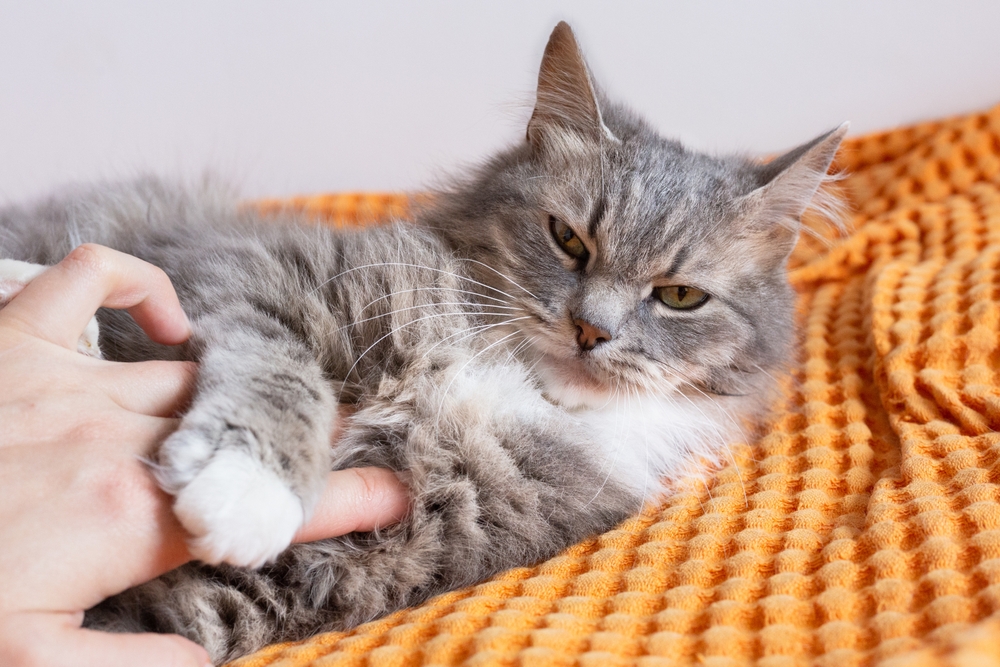
Unrecognized pain changes more than posture- it affects mood, appetite, and even relationships within the family. A dog that growls when touched may not be “grumpy,” but guarding a sore joint. A cat avoiding the couch or litter box might be protecting painful hips or an inflamed bladder. Recognizing these signals helps us provide timely relief and prevent long-term complications.
Common Signs and Causes of Pain in Pets
How to Tell Your Pet Is in Pain
Pain often begins with small behavioral shifts:
- Reluctance to jump, climb stairs, or play
- Lethargy or increased sleeping
- Avoiding touch or hiding in unusual places
- Panting or restlessness without exercise
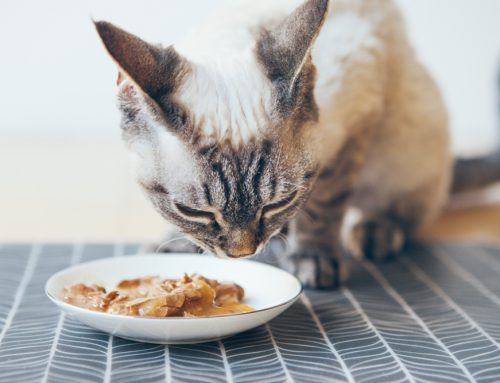
- Changes in appetite or grooming habits
These signs overlap with many health issues. Lethargy in dogs and cats can signal anything from minor strain to systemic disease. The key is noticing persistence- when “a little off” lasts more than a day or two, something deeper may be going on.
Medical Conditions That Commonly Cause Pain
Pain can stem from anywhere on the body, including orthopedic, dental, ear, eye, or internal organ disease. Some of the most frequent causes we diagnose include:
- Arthritis and joint disease: Osteoarthritis in dogs and cats causes stiffness, difficulty rising, and reduced activity. It’s one of the most common chronic pain sources we treat.
- Ligament injuries: A torn cranial cruciate ligament leads to sudden lameness or limping after play. Early stabilization prevents arthritis progression.
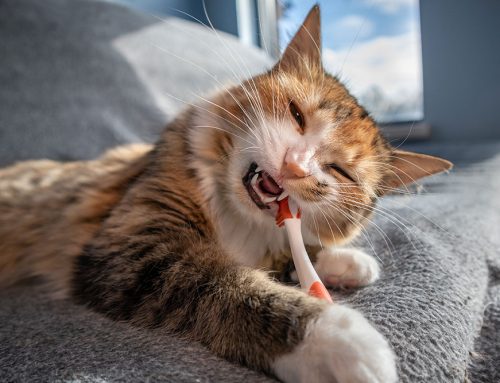
- Dental pain: Fractured or infected teeth, such as complicated dental fractures, cause drooling, pawing at the face, or refusal to eat hard food. Preventive dental care helps avoid severe oral pain.
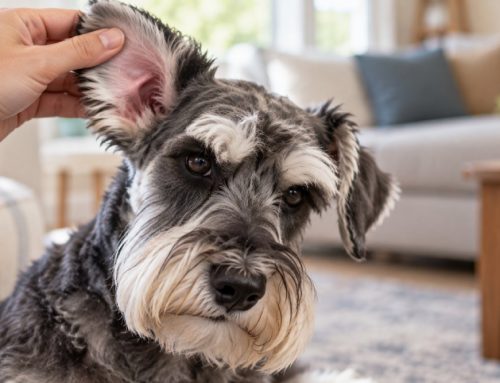
- Ear infections: Otitis externa can make pets shake their heads, rub ears, or yelp when touched. Chronic infections lead to swelling and deep ear pain.
- Eye injuries: Corneal ulcers cause squinting, watery discharge, and light sensitivity- signs of intense discomfort.
- Anal gland disease: Scooting, licking, or sitting oddly can indicate anal gland impaction, a very painful condition common in dogs.
- Pancreatitis: This inflammatory disease causes severe abdominal pain, vomiting, and loss of appetite. Pancreatitis in pets requires prompt diagnosis and care.
- Post-surgical or trauma pain: Healing tissues ache. Following proper after-surgery care and providing pain medications as directed by your vet ensures safe recovery.
Our team uses tools such as pain scoring systems and physical exams focused on subtle movement and behavior cues to identify where and how pain occurs.
Species-Specific Pain Clues
Dogs
Dogs often communicate discomfort through body language: lowered posture, stiffness, or reluctance to move. Some develop “pain faces” with furrowed brows or pinned-back ears. Chronic pain may show up as irritability, decreased appetite, or pacing at night. Assessing chronic pain in dogs involves evaluating how activity, sleep, and interaction patterns change over time- not just limping. Regular checkups let us track these subtle shifts and intervene early.
Cats
Cats are experts at hiding pain, but the clues are there: reduced grooming, hesitation to jump, and avoidance of family members. They may hide or stop using the litter box if movement causes discomfort. Many owners notice changes in sleeping spots- choosing lower, easier-to-access areas.
Because cats rarely vocalize when in pain, ongoing observation is vital. The Feline Grimace Scale helps veterinarians interpret facial cues. At Star of Texas Veterinary Hospital, our cat-friendly care ensures gentle handling and a calm environment, allowing for accurate pain assessment without stress.
Veterinary Approaches to Pain Management
Comprehensive Treatment Plans
Pain control starts with identifying the cause. Once we know what’s wrong, we can choose the best pain medication for the condition. Modern options range from NSAIDs, gabapentin, and opioids to advanced monoclonal antibody therapies like Librela for dogs and Solensia for cats, which target the nerve growth factor responsible for chronic arthritis pain.
Alternative and Supportive Therapies
- Acupuncture: Stimulates nerve pathways to release natural endorphins and improve circulation.
- Laser therapy: Reduces inflammation, accelerates healing, and provides relief for arthritis or wounds.
- Veterinary physical rehabilitation: Custom exercises and gentle stretching rebuild strength and flexibility.
We also teach clients simple at-home techniques- gentle massage, warm compresses, and controlled activity- to maintain comfort between visits.
Creating a Pain-Friendly Home Environment
Pain management continues beyond the clinic. Arthritis-friendly home setups make a world of difference:
- Ramps or steps for furniture and vehicles
- Non-slip mats to prevent falls
- Assistive devices like harnesses and booties for mobility support
- Elevated food and water bowls to reduce joint strain
Maintaining consistency helps pets move confidently without anxiety or pain.
Our Fear Free Philosophy and Comprehensive Care
At Star of Texas Veterinary Hospital, our Fear Free certified team understands that anxiety amplifies pain. By creating calm, low-stress experiences, we help pets relax for accurate exams and treatment.
Our full-service hospital offers diagnostics, dental care, acupuncture, rehabilitation, and integrative therapies- all under one roof. We focus on improving comfort, function, and long-term wellbeing rather than masking symptoms.
For chronic pain cases, we also provide quality of life assessments to help families make compassionate, informed decisions about advanced care and daily management.
When Pain Becomes an Emergency
Some signs indicate urgent medical attention:
- Inability to stand or walk suddenly
- Persistent crying or restlessness
- Refusal to eat or drink for more than 24 hours
- Collapse, trauma, or suspected fracture
If you notice these symptoms, contact Star of Texas Veterinary Hospital immediately. Prompt care relieves suffering and can prevent irreversible damage.
Staying Proactive With Your Veterinary Team
Managing pain is an ongoing process. Regular visits allow us to adjust treatment as your pet ages or their condition evolves. Request an appointment to review your pet’s comfort, mobility, and any emerging issues.
Your partnership helps us recognize early changes- before they become crises. Together, we can ensure your pet enjoys every stage of life with comfort and dignity.
Take the First Step Toward Comfort
Pain doesn’t have to be part of your pet’s daily life. Whether it’s joint stiffness, dental pain, or recovery after surgery, relief is possible with compassionate, personalized care.
Our team at Star of Texas Veterinary Hospital combines advanced medicine, Fear Free handling, and integrative therapies to restore comfort and mobility. Call (512) 291-1600 or contact us online to schedule a pain assessment today.