
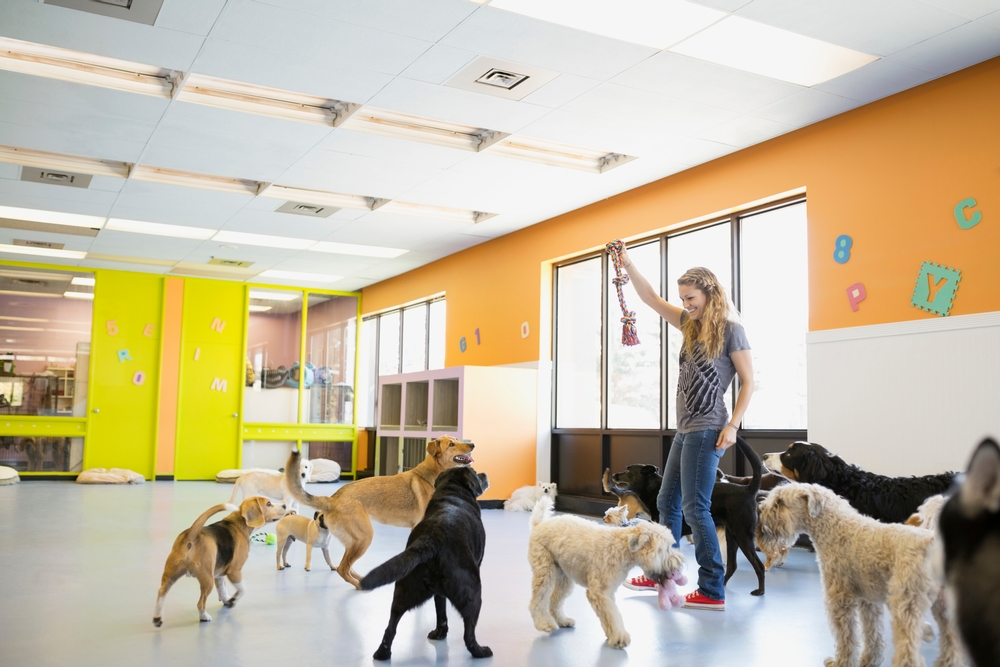
Austin’s dog culture is real. Between the trail systems, the off-leash parks, and the dog-friendly patios, this is a city that takes its canine residents seriously. Dog daycare has become a natural extension of that, giving working Austinites a way to ensure their dogs are active and socialized during the day rather than waiting alone at home. But the same environments that promote socialization also create health risks, and knowing what vaccines your dog needs, what behavioral screening to expect, and what standards to hold a facility to is information worth having before the first drop-off.
Star of Texas Veterinary Hospital supports the health of daycare-going dogs with the vaccination care and preventive wellness they need for shared environments. Our Fear-Free approach means your dog’s vet visits stay positive, which matters when a healthy socialization experience is the whole goal. Contact us or request an appointment to get your dog’s daycare health record sorted.
Key Takeaways
- Quality daycares verify vaccines, screen temperament, group dogs by size and play style, and maintain trained staff at appropriate ratios; the structured environment is genuinely safer than a dog park for most dogs.
- Core required vaccines typically include rabies, DHPP, Bordetella, and canine influenza, with leptospirosis increasingly required in Austin given the regional water exposure risks.
- Puppies should not enter general daycare until 2 weeks after their core vaccination series is complete, usually around 18 weeks, though structured puppy socialization classes are a safer alternative during the critical socialization window.
- A quick head-to-toe check at pickup, plus attention to your dog’s mood and recovery in the hours after, tells you whether daycare is genuinely working for them.
What Makes a Dog Daycare Worth Trusting?
A quality daycare provides safe play, structured rest, attentive supervision, thoughtful dog matching, quick response to stress signals, and clear communication with you. The work happening behind the scenes (the staff training, the grouping decisions, the rest schedules) is what determines whether a facility is genuinely good or just appearing to be.
Structured socialization in a well-managed daycare builds confidence and helps dogs interact calmly with unfamiliar dogs and people throughout life. Done well, daycare provides exercise, mental stimulation, and social development that is hard to replicate at home. Done poorly, it teaches dogs that other dogs are unpredictable threats, that humans do not intervene, and that group settings are stressful.
What separates the good from the rest:
- Staff training: Knowledgeable handlers who can read body language, recognize stress signals, and intervene before conflict escalates. Ask specifically what training staff have completed.
- Staff-to-dog ratios: Industry recommendations suggest one handler per 10 to 15 dogs maximum, sometimes fewer for puppies or large groups. Higher ratios make adequate supervision physically impossible.
- Grouping practices: Dogs should be matched by size, age, energy level, and play style. The very small dog with the very large dog, even if both are friendly, is a setup for accidental injury.
- Communication policies: Quality facilities provide updates on how your dog is doing, particularly during the first few visits.
Is Daycare the Right Environment for Your Dog?
Not every dog is a daycare candidate, and that is perfectly fine. Dogs with significant fear, anxiety, or aggression around unfamiliar dogs, dogs with active illness or untreated injuries, and dogs whose social tolerance has shifted with age may do better with a dog walker, structured playdates, or solo enrichment at home. The goal is matching the environment to the dog, not forcing the dog to fit the environment.
Dog tolerance for group settings varies significantly between individuals and can change over time. Your dog who loved daycare at age 2 may struggle with it at age 7 as their physical comfort or social patience changes. Reading your dog’s body language for signs of stress at dropoff and pickup, in the car ride home, and during recovery the next day tells you whether the experience is genuinely working for them.
Signs of a good daycare fit: engaged but not frantic at drop-off, tired but content at pickup, relaxed body language, willingness to return on subsequent visits, and no behavioral changes at home. Signs that suggest reassessment: increasing reluctance to enter the facility, excessive panting or stress signals at drop-off, hyperarousal or aggression upon return home, sleep disruption or appetite changes after daycare days, and visible exhaustion or irritability lasting beyond the day.
For dogs who show fear, anxiety, or stress around handling and new environments, our practice offers Happy and Victory Visits that build positive associations with veterinary visits. The same approach (gradual acclimation, positive reinforcement) often translates well to daycare introductions.
Why Is Structured Daycare Safer Than a Dog Park?
A well-run daycare provides protections that dog parks simply do not. Daycares evaluate temperament, vaccination status, and behavior before admission, while dog parks have no screening. Daycares have trained staff watching and intervening; dog parks are half-watched by whoever happens to be there, often distracted on phones. Daycares match dogs by size, age, and play style; dog parks throw all comers together. Daycares maintain records and require current vaccines; dog parks verify nothing.
Dog park risks include exposure to unvaccinated dogs, encounters with reactive or aggressive dogs whose behavior was not disclosed, lack of intervention when problems develop, and exposure to parasites in shared spaces. Dog parks can still work for some dogs in some circumstances, but the structured environment of a quality daycare is genuinely safer for most dogs, especially in a high-traffic city like Austin where the popular off-leash spots see significant turnover of unfamiliar dogs.
When Can a Puppy Start Daycare?
Puppies should not enter general daycare until their core vaccination series is complete, typically by 16 weeks at the earliest. The puppy immune system is still developing during the first few months of life, and group environments carry significant disease risk during this vulnerable period before vaccines have fully built protection.
Some daycares offer dedicated puppy groups with stricter health requirements that may be appropriate further along in the vaccine series, sometimes starting around 12 weeks for healthy puppies in low-risk facilities. The protocols vary considerably, so ask about specific requirements.
Puppy Classes Versus Daycare Versus Dog Parks for Socialization
Puppy socialization has a critical window that closes early, typically by 12 to 14 weeks of age. Waiting until the full vaccine series is complete to begin any socialization is not recommended; the behavioral cost of an undersocialized puppy often exceeds the disease risk of carefully managed early socialization.
Position statements from veterinary behavior specialists confirm that early socialization in carefully managed environments produces better long-term outcomes than waiting. Our puppy education resources cover safe socialization timelines that prepare puppies for a quality daycare transition once they are ready. Ask us for recommendations for local puppy classes, and use the same evaluation standards for daycare as you evaluate potential puppy classes- cleanliness, supervision and proper intervention when needed, and strict health requirements.
What Should You Look for on a Daycare Tour?
The goal of a tour is not “no conflict ever”; groups of rambunctious dogs are bound to get into some trouble. It is to see a facility that prevents problems early and responds appropriately when they occur. Healthy safe group play involves brief reciprocal interactions, frequent breaks, role reversals (chaser becomes chasee), and self-handicapping (larger dogs scaling back to match smaller play partners).
What to look for:
- Staff actively engaged with the dogs (not just watching from the perimeter or on phones)
- Calm intervention when play gets too intense and separation of incompatible dogs without drama
- Clean facility with clear disinfection protocols
- Dogs taking voluntary breaks with quiet rest areas separate from active play spaces
- Multiple water sources
Red flags:
- All dogs in one large group regardless of size or temperament
- Bored or distracted staff
- Visible stress signals (lip licking, yawning, tucked tails) without intervention
- Loud chaotic environment without breaks
- Dirty water bowls or soiled play areas
- Reluctance to answer specific questions about protocols
- Pressure to enroll without a thorough trial
How introductions happen says a lot about a facility’s approach. New dogs should be introduced slowly, in controlled settings, with staff watching for compatibility before group placement. Temperament testing and trial days are a must. A facility that just opens the door and lets a new dog in with the existing pack is one to avoid.
What Vaccines Does My Dog Need for Daycare?
Most Austin daycares require core vaccines and proof of recent fecal testing for intestinal parasites. Some require leptospirosis, given our regional water exposure risks and potential human transmission, and canine influenza (a highly contagious respiratory disease) is also recommended for social dogs.
Specifically, most quality daycares require these dog vaccinations in Austin:
- Rabies (legally required statewide)
- DHPP (distemper, hepatitis, parvovirus, parainfluenza)
- Bordetella
- Negative fecal testing within the past several months
Many quality daycare highly recommend:
- Canine influenza (H3N8 and H3N2 strains)
- Leptospirosis
Year-round heartworm, flea, and tick prevention is essential for daycare dogs. Texas has year-round mosquito and parasite activity, and shared environments amplify exposure. Our pharmacy carries heartworm, flea, and tick prevention, and our team will keep your records current and ready for daycare admission. Most facilities also require a symptom-free period of 24 to 48 hours before returning after illness or vomiting.
What Contagious Diseases Spread in Daycare Settings?
Group settings increase exposure to contagious disease even with excellent cleaning. The diseases most likely to spread in daycare environments fall into two broad categories: respiratory infections like kennel cough and canine influenza, and gastrointestinal or systemic infections like parvovirus and leptospirosis. The best prevention combines vaccination, consistent parasite control, and keeping sick dogs home.
Key concerns:
- Kennel cough: Cluster of bacteria and viruses causing respiratory infection. Highly contagious. Bordetella vaccine reduces but does not eliminate risk.
- Influenza: Two strains (H3N8 and H3N2) circulate in the US. Vaccination is recommended for daycare and boarding dogs.
- Oral papilloma virus: Causes warts in and around the mouth. Spread through close contact and shared toys or water bowls.
- Parvovirus: Highly contagious, potentially fatal, particularly in unvaccinated puppies. Spreads through fecal contamination and persists in environments. Vaccination is the primary defense.
- Leptospirosis: Bacterial infection from contaminated water, often from wildlife urine. Can cause severe kidney and liver disease.
If your dog develops cough, lethargy, vomiting, diarrhea, or fever after a daycare visit, contact us promptly for evaluation.
What Parasites and Skin Issues Should I Watch for After Daycare?
Shared yards and close contact increase the risk of parasites and skin problems even with excellent facility hygiene. Routine fecal testing every 6 months catches intestinal parasites early, often before symptoms appear, and regular skin checks at home catch fungal and mite infections before they spread to the rest of your household or other animals.
Key concerns:
- Ringworm: Fungal infection causing circular patches of hair loss. Highly contagious to other pets and humans.
- Giardia: Microscopic parasite causing diarrhea, often in puppies and dogs in group settings. Spreads through contaminated water and surfaces. Some dogs are asymptomatic carriers, making spread harder to prevent.
- Sarcoptic mange: Mite infestation causing severe itching and skin damage. Spreads through close contact.
Routine fecal testing every 6 months is reasonable for daycare dogs even when no symptoms are present.
How Should I Check My Dog for Injuries After Daycare?
Even well-run daycares occasionally have minor bumps, scrapes, or scuffles, so a quick head-to-toe check at pickup is part of responsible daycare ownership. Pay particular attention to the face, ears, neck, shoulders, and lower legs, since these areas take the brunt of normal play and accidental contact.
Bite wounds deserve special attention even when they appear minor. The puncture from a tooth can introduce bacteria deep into tissue, with the surface wound looking deceptively small. Bite wounds frequently develop abscesses days later if not properly evaluated and cleaned.
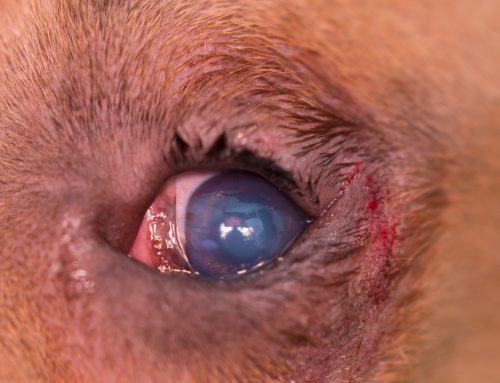
Minor scrapes can be cleaned with mild soap and water, then monitored for signs of infection. Eye irritation deserves prompt evaluation; conjunctivitis can be infectious or related to a corneal injury that needs attention. We offer urgent care during our normal hours- just give us a call if you’re worried and we can often get you in promptly.
What Questions Should I Ask Any Daycare?
The right questions reveal a facility’s approach to safety, supervision, and communication. A daycare that answers specifically and confidently has thought through the issues that matter; one that gives vague responses or pushes you to enroll without addressing your concerns is showing you something important about how they operate.
Use this framework when evaluating a facility:
- Vaccine and parasite requirements: What vaccines do you require? How is this verified?
- Grouping and supervision: How are dogs grouped? What is your staff-to-dog ratio? What training do staff have?
- Rest and safety protocols: How often do dogs rest? How are introductions handled for new dogs?
- Injury and illness response: What happens if my dog is injured? What is your protocol for sick dogs?
- Cleaning protocols: How often are spaces cleaned? How are accidents handled?
- Senior and special needs accommodation: Do you accept dogs with medication needs? What modifications can you make?
- Communication: How will you tell me how my dog is doing?
Frequently Asked Questions About Dog Daycare Safety
How do I know if my dog enjoys daycare?
Watch behavior at drop-off (engaged but not frantic), at pickup (tired but content), and during recovery the next day. Your dog pulling toward the door, settling in quickly, and recovering well is telling you they enjoy it. Your dog who increasingly resists or struggles afterward is telling you something else.
What if my dog has had an issue at daycare in the past?
Talk with us about what happened. Some issues are facility-related (poor grouping, inadequate supervision) and resolve with a different facility. Some are dog-related (anxiety, tolerance issues) and may indicate that group daycare is not the right fit.
Can my dog get sick at daycare even if they are vaccinated?
Yes, vaccines reduce but do not eliminate the risk of disease. Other contagious conditions including parasites, ringworm, and viral infections can still spread in group settings. Vaccination plus good facility hygiene plus your own monitoring are all part of the picture.
Is daycare a good idea for puppies?
Once your puppy has completed their core vaccination series, well-run daycare can be excellent for socialization. Before that, structured puppy socialization classes are a safer alternative for the critical socialization window.
Getting Your Austin Dog Ready for Daycare
A strong daycare protects health, supervises play carefully, requires appropriate vaccines, and takes rest seriously. Your veterinary team’s role is to update vaccines as needed, evaluate temperament and physical readiness, prepare documentation that facilities require, and be available when something seems off after a visit. Our Fear Free certified care approach keeps the medical side of daycare prep stress-free for your dog.
Our team is here to help you make the right decision for your specific dog. Request an appointment for a pre-daycare exam, vaccine updates, or a conversation about what works best for your dog.