
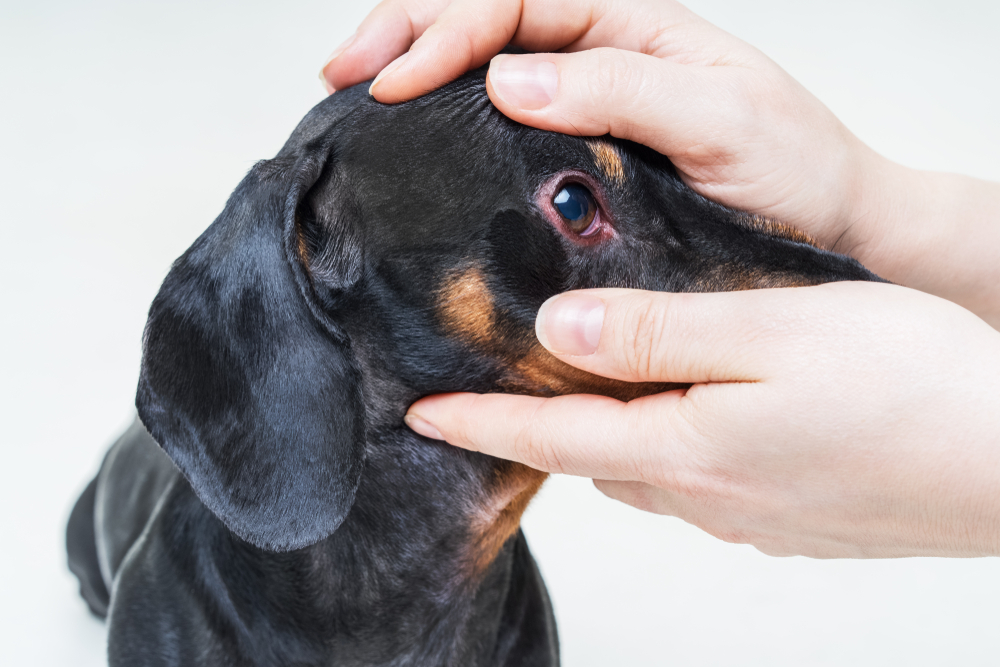
Eye Health in Aging Pets: What Changes to Watch For and When to See Your Vet
As pets age, their eyes undergo changes just like the rest of their body. Some of these changes are completely normal, like nuclear sclerosis (a natural clouding of the lens that does not significantly affect vision), while others, like cataracts, glaucoma, or dry eye, require veterinary attention to prevent discomfort or vision loss. The challenge for families is that many eye conditions develop gradually, and pets are remarkably good at compensating for declining vision, which means problems can progress further than you might expect before you notice something is off.
At Star of Texas Veterinary Hospital, we evaluate eye health as part of every wellness exam and take a Fear Free approach to every visit so your pet stays as relaxed as possible during the examination. If you have noticed changes in your pet’s eyes, squinting, cloudiness, redness, discharge, or bumping into things, call us at 512-291-1600 or contact us to schedule an eye evaluation.
Normal Aging vs. Eye Disease: Knowing the Difference
Cataracts vs. Nuclear Sclerosis
The distinction between cataracts vs. nuclear sclerosis is one of the most common confusions in senior pet eye care.
Nuclear sclerosis is a hardening of the lens fibers that occurs normally with age, producing a blue-gray haze visible in the pupils. It typically affects both eyes equally, develops gradually, and does not significantly impair vision even in moderate cases. Most dogs over eight develop some degree of nuclear sclerosis.
Cataracts are actual opacities of the lens material that block light from reaching the retina. True cataracts are white, dense, and often cause meaningful vision impairment as they progress. They require monitoring and, in many cases, surgical consideration. Distinguishing them from nuclear sclerosis requires a veterinary examination; the visual appearance alone is not sufficient. Cataracts can be age related, breed related, or due to high blood sugar from diabetes. If you notice cataracts forming, it’s important to have them check right away to be sure they aren’t diabetic.
Common Eye Conditions in Senior Dogs and Cats
Canine Glaucoma
Glaucoma is elevated intraocular pressure that damages the optic nerve and can cause irreversible vision loss within hours to days in acute cases. Signs include cloudiness, eye enlargement, redness, visible pain, and behavioral changes. Glaucoma is a sight-threatening emergency when pressure is acutely elevated, and same-day evaluation is appropriate when these signs appear suddenly.
Pannus
Pannus, or chronic superficial keratitis, is a progressive immune-mediated condition in dogs (particularly German Shepherds and Greyhounds) that produces pigmentation and vascular tissue growth across the cornea. Management with topical immunosuppressives controls but does not cure it. Austin’s high UV exposure can worsen pannus, which is one of several reasons we recommend limiting midday outdoor time for predisposed breeds during summer.
Dry Eye (Keratoconjunctivitis Sicca)
Dry eye, or KCS, is inadequate tear production leading to chronic corneal and conjunctival irritation, discharge, and progressive surface damage. Cocker Spaniels, Bulldogs, Shih Tzus, and Lhasa Apsos are particularly predisposed. It’s treated with twice-daily cyclosporine or tacrolimus eye drops, and sometimes surgery in severe cases. Untreated KCS causes significant and permanent corneal damage.
Sudden Acquired Retinal Degeneration Syndrome (SARDS)
SARDS is an immune-mediated condition causing rapid, irreversible loss of retinal photoreceptor function, producing sudden complete blindness over days to weeks. Concurrent metabolic changes resembling Cushing’s disease are common. There is no proven treatment for the vision loss, but ruling out Cushing’s disease is an important step in the workup.
Systemic Disease and the Eyes
Hypertension in dogs and cats is a significant cause of retinal damage in older pets. Chronically elevated blood pressure causes retinal hemorrhage, detachment, and irreversible vision loss.
Hypertensive retinopathy is particularly common in older cats with hyperthyroidism or chronic kidney disease, where secondary hypertension is a frequent complication. The first sign families notice is often sudden vision loss or a dramatic change in pupil appearance. Blood pressure measurement and bloodwork as part of routine senior screening detects hypertension before it causes permanent retinal damage.
Eyelid Tumors and Ocular Masses
Eye tumors in dogs and cats become more common with age. Melanomas of the iris, limbal melanomas, and intraocular tumors may present as pigment changes, visible masses, or secondary glaucoma. Eyelid tumors in dogs and cats include Meibomian gland adenomas (common, benign, often requiring removal when they irritate the cornea), and less commonly squamous cell carcinoma. Any new growth on or around the eyelid warrants evaluation.
Our surgical services include mass removal and eyelid repair, and we may recommend sending the mass off for biopsy if there is concern for cancer.
Iris Atrophy
Iris atrophy is a common age-related thinning of the iris muscle that affects how the pupil responds to light. You may notice that your senior dog’s pupil no longer constricts evenly in bright light, or that the edges of the iris appear scalloped or moth-eaten when you look closely. The condition itself is not painful and does not significantly impair vision in most cases, though affected pets may squint or seem more sensitive to bright sunlight. There is no treatment because the muscle thinning is not reversible, but ruling out other causes of pupil abnormality (including glaucoma and neurological conditions) is the reason an evaluation matters.
Sudden Blindness: When to Act Immediately
Diagnosing acute blindness in dogs and cats involves determining whether the problem is retinal, optic nerve, or central neurological in origin, as the underlying cause determines urgency and treatment.
Signs of sudden vision loss:
- Bumping into furniture or walls that were previously navigated easily
- Reluctance to move in dim light or darkness
- Wide, dilated pupils that do not respond to light changes
- Startling easily when approached from the side
- Sudden disorientation or confusion in familiar environments
Glaucoma and high blood pressure are two common causes of sudden blindness, and both are emergencies.
Supporting Pets With Vision Loss
Vision loss is not the end of a comfortable life. Living with a blind or deaf pet is manageable with practical adjustments. Night lights are a great addition when vision is starting to decline.
For Dogs with Vision Loss
- Keep furniture in consistent positions:avoid rearranging the layout once your dog has learned the space
- Use textured mats or scent cuesat stair edges and doorways to mark transitions
- Alert your dog verballybefore touching to prevent startle responses
- Keep familiar routinesso predictability substitutes for visual information
- Continue leash walks:they remain enjoyable through scent and sound even without full vision
For Cats with Vision Loss
- Maintain litter box, food, and waterin consistent locations
- Add scent markers(a drop of lavender near the litter box) as navigation cues
- Reduce clutterfrom floor-level paths
- Provide lower perches and rampsrather than expecting jumps to high surfaces
Many pets adapt so effectively that families are surprised by how little blindness affects their daily quality of life with proper support.
Home Care That Supports Eye Health
Daily observation of your pet’s eyes takes seconds and catches changes early. What to note:
- Any change in pupil size, shape, or reactivity to light
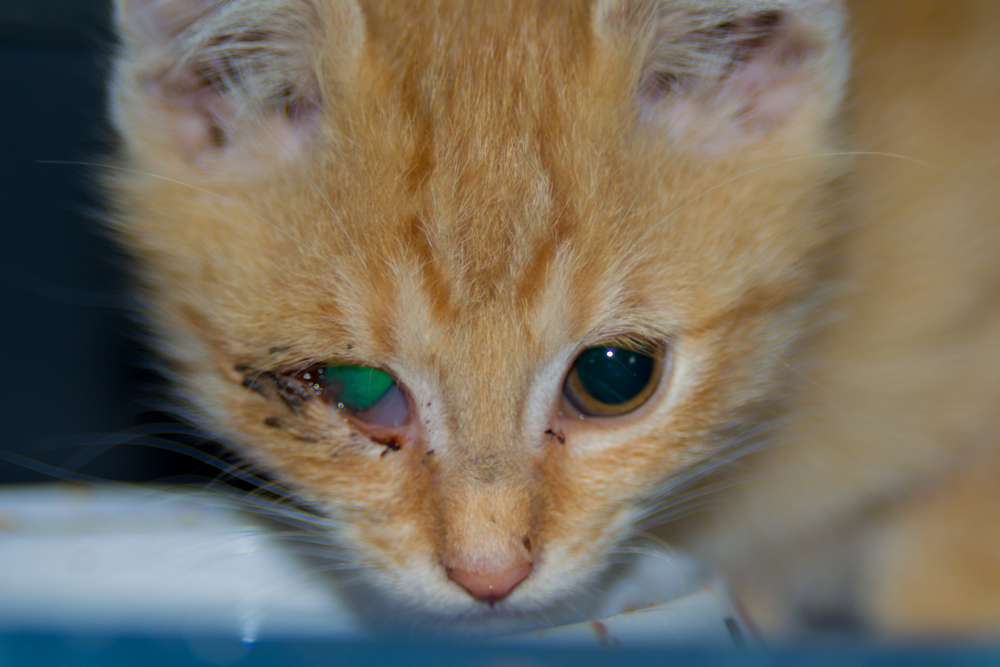
- Cloudiness, redness, or visible irritation
- Discharge (clear, colored, or crusty)
- Squinting or holding one eye partially closed
- Pawing at the face
If Your Pet Needs Daily Eye Drops
Many senior eye conditions are managed with topical medications applied once or twice daily for the rest of the pet’s life. The biggest barrier we see is not the medication itself but the difficulty families encounter when trying to administer drops consistently to a pet who does not enjoy the process. A few practical strategies make this much easier:
- Approach from behind or aboverather than coming straight at the face, which most pets find threatening
- Use treats immediately after each dropto build a positive association
- Keep medications at room temperatureso the drops do not feel cold and shocking
- Set a consistent timeeach day so the routine becomes predictable
If administration is genuinely impossible at home, our team can demonstrate techniques during a visit and discuss alternative formulations or schedules that may work better for your specific pet.
Frequently Asked Questions
My dog’s eyes look hazy. Should I be worried?
A mild blue-gray haze deep in both eyes of a senior dog is most likely nuclear sclerosis, which is normal and does not significantly impact vision. A dense white opacity, especially if progressing or affecting only one eye, warrants evaluation to distinguish true cataracts. If the cornea or surface of the eye seems hazy, that indicates uveitis which should be seen promptly.
How often should senior pets have eye exams?
Eye health is assessed at every wellness visit. For pets with known ocular conditions or systemic diseases that affect eye health (hypertension, diabetes, hypothyroidism), more frequent monitoring is appropriate.
My cat suddenly seems to be bumping into things. Is this an emergency?
Yes. Sudden apparent vision loss in a cat is an emergency evaluation. Hypertensive retinal detachment is reversible if blood pressure is controlled quickly; delayed treatment allows permanent damage to progress.
Are there breeds that need extra eye monitoring?
Yes. Cocker Spaniels, Bulldogs, Shih Tzus, Lhasa Apsos, and Persians have higher rates of dry eye and cataracts. German Shepherds and Greyhounds are predisposed to pannus. Brachycephalic breeds carry higher risk for corneal ulceration. We tailor monitoring schedules to your pet’s specific breed and history.
Protecting Vision Through Every Stage of Life
At Star of Texas Veterinary Hospital, routine eye assessment is part of the holistic senior care approach we bring to every wellness visit. Our Fear Free and cat-friendly approach means these examinations happen in a way that keeps your pet comfortable.
Request an appointment for a senior wellness visit, or contact us at 512-291-1600 with any concerns about your pet’s eyes.