
Emergency care costs more than a regular visit because you are paying for readiness: staff, equipment, and life-saving supplies standing by for whatever comes through the door, whenever it comes. Nobody wants to be thinking about money while their pet is in pain, and that is exactly why it helps to understand the bill before you are ever staring at one. What is wrong, how fast treatment has to start, how big your pet is, and even the hour on the clock all shape the total. That is how one family pays a few hundred dollars for an exam and outpatient care while another faces several thousand for surgery and intensive care. Knowing what drives that range, and how to prepare before anything happens, takes some of the dread out of one of the harder moments in life with a pet.
Star of Texas Veterinary Hospital in Austin provides emergency care during our regular hours, which can bring the cost down considerably compared to a dedicated emergency hospital, and we walk through a written estimate before major treatment so the number is never a surprise at checkout. For bigger bills, Cherry payment plans let you split the cost into smaller monthly payments instead of absorbing it all at once. If you have questions about what a visit or workup might run, or your pet is in trouble during our open hours, reach out and come in; after hours, head to the nearest veterinary ER.
What to Know Before the Bill Arrives
- Emergency bills range from a few hundred dollars for an exam and outpatient care to several thousand for surgery, anesthesia, and days of hospitalization, and much of the difference is the around-the-clock readiness an ER has to maintain.
- Seeing a problem during regular hours at an urgent care or family practice often costs a fraction of the same workup at an after-hours ER, and catching it earlier usually means a smaller workup too.
- Pet size, how sick they are on arrival, and even temperament all move the total, because nearly everything is dosed by weight and a frightened pet may need sedation just to be examined.
- Insurance, financing, assistance funds, and a modest emergency savings account each soften the blow differently, and the best time to set them up is before anything goes wrong.
Why Does Emergency Care Cost More Than a Routine Checkup?
Emergency care costs more because a hospital built for crises keeps trained staff, monitoring equipment, and life-saving drugs standing by, ready the moment a pet crashes. That constant readiness, not any single treatment, is what separates an emergency invoice from a routine checkup.
A dedicated emergency hospital runs around the clock, which means overnight staffing, advanced equipment maintained for instant use, and surgical and ICU capacity ready when minutes matter. Some of what sits on those shelves is startlingly expensive on its own: treating rattlesnake envenomation means stocking antivenom that can run four figures per patient, and blood transfusions depend on blood products that must be collected, typed, stored, and matched to the patient in front of them. These are the same caliber of supplies a human hospital uses, just without the health insurance that quietly offsets those costs on the human side.
Can Urgent Care Really Save Money Compared to the Emergency Room?
Often, yes, and sometimes dramatically. 24/7 emergency clinics are the right place for after-hours needs or pets in critical condition, but a large majority of pets don’t need an ICU or could have their problem handled at a regular veterinary practice that offers urgent and emergency care, like Star of Texas. Because a general practice offering emergency care isn’t also covering the overhead for overnight ICU staffing or the specialized equipment needed, their costs are lower and that reflects on the bill. The gap between wellness care and critically ill patients is exactly where urgent care at a regular practice shines.
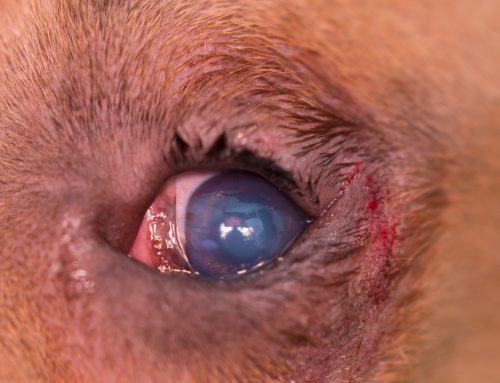
That gap covers most of what actually goes wrong on an ordinary Tuesday: painful abscesses from a cat scuffle, a dog who came up limping after the park, squinting and discharge from minor eye emergencies, vomiting and diarrhea, torn nails, and exposure to toxic substances where a same-day visit can head off a hospitalization. We handle these as part of our everyday urgent and emergency care, with the in-house lab, X-ray, ultrasound, and surgical suite to take most cases from question to treatment under one roof. When a patient needs overnight care, we can set up a transfer to a 24/7 facility for continued monitoring.
When Should You Skip Urgent Care and Go Straight to the ER?
Some situations need an ER with 24/7 capability, and recognizing them matters more than any cost comparison, because with these, waiting is the most expensive decision of all. If you are unsure whether you are looking at a true pet emergency, call us or whichever facility is open and describe what you see.
- Breathing trouble: labored or open-mouth breathing, an extended neck, or blue-gray gums are respiratory distress and cannot wait anywhere.
- Sudden collapse or fainting: even when your pet seems to recover, a collapse points to the heart, blood pressure, or internal bleeding until proven otherwise.
- A swollen, hard belly with retching: in a large or deep-chested dog, this is bloat until an X-ray says it isn’t, and it is fatal within hours untreated.
- A male cat who can’t pass urine: urinary obstruction in male cats turns deadly in a day or two.
- Severe bleeding, major trauma, seizures, or a snakebite: all of these need immediate hands-on care, and on Central Texas trails, rattlesnake bites earn their spot on this list every summer.
During our open hours, call ahead and come straight in; we see emergencies daily and can stabilize a critical pet, then coordinate transfer when overnight intensive care is needed. After hours, skip the wait for morning and head to the nearest 24-hour ER.
Why Do Two Pets With the Same Diagnosis Get Different Bills?
Two pets with the same diagnosis can land very different bills because of size, severity, and temperament. A 90-pound Labrador needs far more anesthetic, fluid, and medication than an 8-pound cat, since nearly all of it is dosed by weight, and a sicker or more frightened patient simply needs more done.
Severity decides how far treatment has to go: a stable patient might need only fluids and observation, while a critically ill one with the very same diagnosis may need transfusions, oxygen support, or emergency surgery.
Temperament plays a quieter role. A pet who cannot be safely examined or treated without sedation adds medication, monitoring, and time to every step, which is one practical reason cooperative care training at home pays off, and why our Fear Free handling often makes that extra sedation unnecessary. Getting seen sooner and raising a pet who tolerates handling are the two cost levers a family genuinely controls.
What Does Waiting Actually Cost in Real Scenarios?
The clearest way to see what timing is worth is to follow the same three emergencies down two paths: seen early during regular hours, or seen late at an after-hours ER.
| Scenario | Caught early | After waiting |
| Dog swallowed a toy or corn cob | X-rays find it; removal before the gut is damaged, sometimes simply by inducing vomiting and without major surgery | Intestinal damage means opening the abdomen, removing devitalized bowel, and days of hospitalization and fluids |
| Male cat straining in the litter box | Unblocked promptly with a catheter and fluids, shorter recovery | Kidney failure and dangerous potassium levels, intensive care, and a complete blockage that may need corrective surgery |
| Dog coughing and tiring on walks | Heart disease found and managed with medication on a scheduled visit | A middle-of-the-night heart failure crisis needing oxygen and emergency stabilization |
The best outcome for both your pet’s health and the final bill always comes from acting quickly, not waiting and hoping that something will resolve on its own.
What Actually Happens During an Emergency Vet Visit?
The moment your pet arrives, the most urgent problem gets addressed first. Knowing the rhythm of a visit helps you feel less blindsided.
- Triage and stabilization first: the sickest patients are seen ahead of the line, and breathing, circulation, and pain come before anything else.
- Exam and written estimate: before we run up a significant bill, we talk through a written estimate, including alternatives, so you can weigh the options without a surprise at checkout.
- Diagnostics: our in-house lab and on-site X-ray and ultrasound give us answers quickly, which matters when treatment decisions can’t wait for an outside lab.
- Treatment and monitoring: from medications and fluids to surgery, the plan matches how sick your pet is and gets adjusted as things change; a pet who needs overnight intensive care is transferred to a 24-hour hospital.
- Discharge and follow-up: you go home with written instructions, medications, and a clear plan for rechecks.
An emergency is frightening for pets too, so we lean on Cat-Friendly and Fear Free handling to keep the experience as calm as possible even when the pace is fast. The doctors and nurses caring for your pet will explain what we’re seeing as we go, so you can decide with real information instead of guesswork.
What Are My Options for Paying for Emergency Care?
There are more options than most families realize, and they stack: financing spreads the cost out, assistance funds help those who qualify, and insurance reimburses a large share when it was in place before the emergency.
Financing Programs and Savings
Different veterinary practices will have different options. CareCredit is a healthcare credit line that covers the bill upfront so you can repay it in monthly installments, and ScratchPay offers simple payment plans built specifically for veterinary bills. Here, the Cherry payment plans we offer work the same way, splitting a large bill into predictable pieces, and our front desk can walk you through applying in minutes.
A savings account is also highly recommended. Put away a small amount every month just in case of an emergency. $500 to $1,000 is often enough to bridge the gap until a financing program kicks in, assistance resources are available, or pet insurance can reimburse you.
Financial Assistance Resources
When cost is a genuine barrier, national pet financial assistance resources maintain directories of grants and emergency funds. RedRover Relief offers urgent-care grants for families in crisis, and Frankie’s Friends helps fund life-saving emergency and specialty treatment. Local rescue groups, breed clubs, and humane societies sometimes offer regional help as well.
Financial assistance programs in Austin that might be able to help include:
- Friends of Austin Animal Services Medical Assistance Program
- Rusk Veterinary Assistance Grants from the Texas Veterinary Medical Foundation
Apply early, before treatment begins, since many programs can’t reimburse after the fact.
Why Does Pet Insurance Only Help If You Enroll Early?
The catch with pet insurance is that no policy covers a condition your pet already has, so waiting until your pet is older or already showing signs of disease means exactly those problems get excluded. Most plans reimburse rather than pay upfront: you pay the clinic, submit a claim, and get money back afterward, which is why insurance pairs well with a small savings buffer or financing to bridge the gap. Spending an hour comparing pet insurance plans on deductible, reimbursement rate, and annual cap is worth it, and enrolling during puppy and kitten wellness visits locks in coverage before anything can be labeled pre-existing.
How Do I Build a Financial Plan for My Pet?
A solid financial plan rests on knowing which emergencies your particular pet is actually prone to, then saving toward them quietly, month by month, with a small automatic transfer into a dedicated pet fund.
Breed-Specific Risks Worth Planning For
Certain problems run in certain breeds, so knowing whether you live with one of the high-risk dog breeds tells you what to budget for. Deep-chested dogs like Great Danes and Standard Poodles are prone to GDV, the bloat-and-twist emergency that always means surgery. Long-backed breeds like Dachshunds and Corgis carry a higher risk of intervertebral disc disease, which can range from strict rest to spinal surgery. Flat-faced breeds hit breathing trouble fast in Texas heat, and male cats top the list for urinary blockages. Ask us about your pet’s specific risks at routine wellness visits, where there’s time to plan rather than react.
Condition-Specific Risks When Your Pet Has a Diagnosis
A known chronic condition comes with its own short list of emergencies worth understanding in advance. Cats with heart disease can throw a clot known as a saddle thrombus, which causes sudden hind-leg paralysis and pain. Diabetic pets ride between two emergencies, hypoglycemia when blood sugar drops too low and diabetic ketoacidosis when control collapses. Dogs with Addison’s disease can tip into an Addisonian crisis of collapse and shock, and pets with chronic kidney disease can dehydrate into a crisis after a day of vomiting. If your pet carries one of these diagnoses, ask us what escalation looks like so you recognize it on day one instead of day three, which will keep your emergency bills lower.
Can Preventive Care Actually Lower Emergency Costs?
Preventive care is its own form of financial planning, because a condition caught at a routine exam usually costs a fraction of the same condition treated as a midnight emergency. Vaccines and parasite prevention can keep a number of potentially fatal diseases off the table completely.
- A mass found small is a simpler surgery than a mass found ruptured requiring major surgery, and early removal can also prevent cancer from spreading or needing chemotherapy and radiation.
- A fractured tooth found and extracted before it has caused an infection costs far less than treating a tooth root abscess that progressed to a jaw fracture.
- Spaying your dog prevents pyometra, a uterine infection that affects up to 25% of unspayed pets by age 10, and requires emergency surgery.
- A vaccination for parvo is a tiny fraction of the cost of treating parvo, which can easily run into the thousands of dollars or even be fatal.
- Heartworm, intestinal parasite, flea, and tick prevention is usually $20 to $30 per month; treating heartworm disease alone costs thousands.
Some of the diseases we work to prevent through wellness care, like leptospirosis and some intestinal parasites, can even spread to humans. That makes good preventive care for your pet also good preventive care for your family.
Frequently Asked Questions About Emergency Vet Costs
Will you treat my pet if I can’t pay the whole bill upfront?
We know an emergency rarely arrives at a convenient time financially. Before major treatment, we walk through a written estimate and talk openly about what’s essential right now versus what can follow. Financing options like Cherry payment plans, plus assistance grants for those who qualify, can help cover care you couldn’t pay for all at once. The most important thing is to tell us early so we can find a workable path.
Is it cheaper to wait and see if my pet gets better?
Usually not. Some mild problems do pass on their own, but the emergencies that generate the biggest bills are exactly the ones that get more expensive and more dangerous by the hour. A same-day exam during regular hours is one of the cheapest purchases in veterinary medicine when it prevents an ICU stay.
Does pet insurance actually cover emergencies?
Most accident and illness policies do cover emergencies, which is often where insurance pays for itself. Pre-existing conditions are the exception: a plan bought after your pet is already sick won’t cover that illness.
Should I come to you or go straight to a 24-hour emergency hospital?
While we’re open, calling us first is a great move. We can often treat the problem here, and we already know your pet’s history. If we’re closed, or your pet needs overnight intensive care and continuous monitoring, a 24-hour veterinary hospital is the right place to go.
Being Prepared So You Can Focus on Your Pet
The families who weather emergencies best are the ones who set things up before anything went wrong: insurance on a young, healthy pet, a savings account for urgent situations, good preventive care, and a clear sense of which problems can come to us during the day and which mean the nearest ER tonight. Every one of those steps is easier to take this week than in a waiting room during a crisis.
If you want help mapping your pet’s specific risks or talking through what care and costs look like here, request an appointment at Star of Texas Veterinary Hospital in Austin, and when something urgent comes up during our open hours, call us on your way in so we can be prepared the moment you walk in.