
Pale gums or sudden bruising in a dog or cat can signal an autoimmune blood disease, where the immune system turns on the body’s own red blood cells or platelets. The two conditions to know are IMHA (immune-mediated hemolytic anemia), which destroys red blood cells and leaves a pet weak and breathing hard, and ITP (immune-mediated thrombocytopenia), which wipes out platelets and causes bleeding into the gums, skin, and whites of the eyes. Either one can shift from subtle to life-threatening inside a day or two, and tick-borne infections sometimes set the same picture in motion. Spotting the early signs is what gives a pet the best chance, because the treatment window is narrow.
Our Fear Free approach matters most when a pet is already frightened by feeling unwell, and at Star of Texas Veterinary Hospital we hold same-day sick visits in Austin open so a dog or cat with pale gums or new bruising can be evaluated quickly. We run the in-house CBC, chemistry, and urinalysis that confirm whether red cells or platelets are the target, and we can screen for tick-borne infections that often sit behind these cases. If you notice pale or yellow gums, sudden weakness, or unexplained bruising, book a same-day visit so we can start the workup today. If your pet has collapsed or is bleeding heavily outside our regular hours, head to the nearest veterinary ER without waiting.
The Essentials at a Glance
- IMHA destroys red blood cells and ITP targets platelets, and both can go from subtle to critical within a day or two.
- Pale or yellow gums, sudden weakness, hard breathing at rest, and unexplained bruising are the warning signs worth a same-day look.
- Tick-borne infections can either trigger or exactly mimic these diseases, so a proper workup always screens for them.
- Fast, accurate diagnosis with in-house bloodwork lets treatment start the same visit, and that speed is what saves most pets.
Which Warning Signs Mean You Cannot Wait Until Tomorrow?
Some signs cannot wait for a regular appointment. If your pet shows any of the following, call ahead and come in the same day, or head to the nearest ER if we are closed:
| Warning sign | Why it’s urgent |
| Sudden weakness or collapse | Can mean severe anemia or a clot cutting off blood flow. |
| Pale or yellow gums | A direct signal of red cell loss or liver overload. |
| Unexplained bruising or petechiae | Points to dangerously low platelets and active bleeding. |
| Labored breathing at rest | Any labored breathing at rest is an emergency, not a wait-and-see. |
| Dark or blood-tinged urine | Suggests red cell breakdown or bleeding into the bladder. |
| Significant lethargy | Marked lethargy in a normally active pet warrants a same-day look. |
Why Does the Immune System Start Attacking Its Own Blood Cells?
The immune system is built to attack invaders, but sometimes it misreads the body’s own blood cells as the enemy and destroys them. When the target is red blood cells, we call it IMHA. When it is platelets, we call it ITP. Same misfire, different casualty.
Immune-mediated diseases develop when the immune system loses its ability to tell friend from foe and marks the body’s own cells for destruction. One branching point shapes everything that follows: the distinction between primary versus secondary disease. Primary means the immune system misfired on its own, with no cause we can find, and it is calmed by suppressing the immune response directly. Secondary means something set it off, an infection, a cancer, a toxin, a drug, and that hidden driver has to be treated too or the disease keeps coming back. That is why we do not just suppress the immune system and hope. We look for the match that lit the fire.
IMHA, Explained: The Attack on Red Blood Cells
IMHA is the immune system destroying red blood cells faster than the body can make new ones, which slowly starves organs of oxygen and leaves a pet weak, pale, and short of breath. That process has a clinical name, immune-mediated hemolytic anemia, and as red cell numbers drop the tissues are steadily deprived of oxygen.
Red blood cells are the delivery trucks for oxygen. Lose enough of them and the tank runs low. Early on that might look like a dog who tires on a short walk or a cat who sleeps more than usual. Left unchecked, it becomes a genuine crisis, collapse, racing heart, gums drained of color. The frightening part is how quickly the slide can happen, sometimes over a single day.
Spotting IMHA Before It Turns Critical
Watch for the cues that oxygen is running low. Lift the lip and check the color, because pale or yellow-tinged gums are one of the clearest signals that red blood cells are being lost faster than they can be replaced. Alongside gum color, keep an eye out for:
- Unusual fatigue: a pet who tires fast, lies down mid-play, or seems reluctant to move.
- Faster resting breathing: quick, shallow breaths while your pet is calm or asleep.
- Yellowed gums or eyes: a jaundiced, mustard tint as broken-down cells overwhelm the liver.
- Dark or discolored urine: tea, cola, or orange-tinged urine from red cell breakdown products.
- Appetite loss: skipping meals paired with any of the above.
Breed matters here, too. A few breeds carry a documented predisposition, so if you share your home with one of them, treat even subtle changes as worth a same-day look. Cocker Spaniels sit near the top of that list, along with a handful of others.
The Hidden Triggers Behind Secondary IMHA
Secondary IMHA has a hidden trigger, and finding it is the difference between a real recovery and a relapse a month later. The main culprits fall into a few buckets:
- Tick-borne infections: several tick-carried organisms attack or coat red cells, which is why we screen for them in every case.
- Bacterial infection: leptospirosis picked up from puddles or standing water is a recognized driver of secondary red cell destruction.
- Feline blood parasites: in cats especially, hemotropic mycoplasma attaches directly to red blood cells and can push the immune system into destroying them.
- Cancer: blood and organ cancers such as lymphoma can set the immune system against red cells.
- Vascular tumors: hemangiosarcoma is another cancer that can drive secondary red cell destruction.
- Viruses: in cats, feline leukemia virus is a known contributor.
- Toxins: swallowed metal objects can cause zinc toxicosis, which shreds red cells.
- Drugs and envenomation: certain medications and snake bites can trigger the same response.
The Clotting Paradox That Makes IMHA So Dangerous
Here is the part that surprises most families. While the immune system is tearing red cells apart, the clotting system swings the opposite way and starts forming clots that should not be there. The cruel paradox is that even while that destruction unfolds, the body simultaneously tips toward abnormal blood clotting, and those clots, not free bleeding, are one of the leading causes of death, which is exactly why hospitalization and close monitoring matter. A clot that lodges in the lungs can turn a stable pet critical in minutes.
Because clots can form fast and silently, know the signs that mean an emergency. If any of these show up, reach out right away or go straight to the nearest ER:
- Sudden hard breathing: labored or panicked breathing, especially at rest.
- A swollen or painful limb: a leg that becomes puffy, cool, or that your pet won’t bear weight on.
- Sudden weakness or collapse: a pet who buckles, stumbles, or can’t stand.
- New neurologic signs: a head tilt, disorientation, or a wobbly, drunk-looking gait.
What Happens When My Pet’s Immune System Destroys Its Platelets?
ITP is the immune system destroying platelets, the tiny cells that plug small leaks in blood vessels. Without enough of them to seal small breaks, blood can leak from within even when there has been no injury at all, so your pet starts bleeding in places and ways that make no sense given how minor things look.
With immune-mediated thrombocytopenia, the immune system turns on platelets instead of red cells. The catch is that the outside can look calmer than the inside. A little bruising on the belly may be the visible tip of significant bleeding happening where you cannot see it, into the gut, the bladder, or the brain.
Reading the Bleeding Clues of ITP
Platelet loss shows up as bleeding without a good reason for it. Watch for:
- Unexplained bruising: purple blotches on the belly, gums, or inside the ears.
- Petechiae: pinpoint red or purple dots on the skin or gums, like a fine spatter.
- Nosebleeds without injury: bleeding from the nose with no trauma to explain it.
- Blood in urine or stool: pink or red urine, or black, tarry stool.
- Wounds that bleed too long: a small nick or a lost baby tooth that keeps oozing.
What Sets Off ITP in the First Place
Like IMHA, ITP is often secondary to a hidden cause that has to be found and treated. The usual suspects:
- Tick-carried infections: several tick-borne organisms attack platelets directly.
- Parasitic infection: heartworm disease is one of the conditions that can set off secondary platelet destruction.
- Viral infection: the distemper virus can be a driver in unvaccinated dogs.
- Other infections and cancers: leptospirosis and certain cancers belong on the list.
- Medications: some drugs can prompt the immune system to attack platelets.
- Recent vaccination: rarely, an immune reaction can follow a vaccine. The protection it provides against deadly diseases far outweighs this small, uncommon risk, and skipping shots trades a rare problem for far more dangerous ones.
What Does It Mean If Both My Pet’s Red Cells and Platelets Are Under Attack?
Evans syndrome is the immune system attacking red blood cells and platelets at the same time, so your pet is fighting anemia and abnormal bleeding at once. That makes these cases the most demanding to manage, the worst of both worlds.
This concurrent red cell and platelet destruction keeps the treatment balance shifting often, which is why these cases call for intensive monitoring, frequent rechecks, and regular dosing changes. It is a heavier lift, but it is manageable with close oversight.
How Do Central Texas Ticks Feed These Blood Disorders?
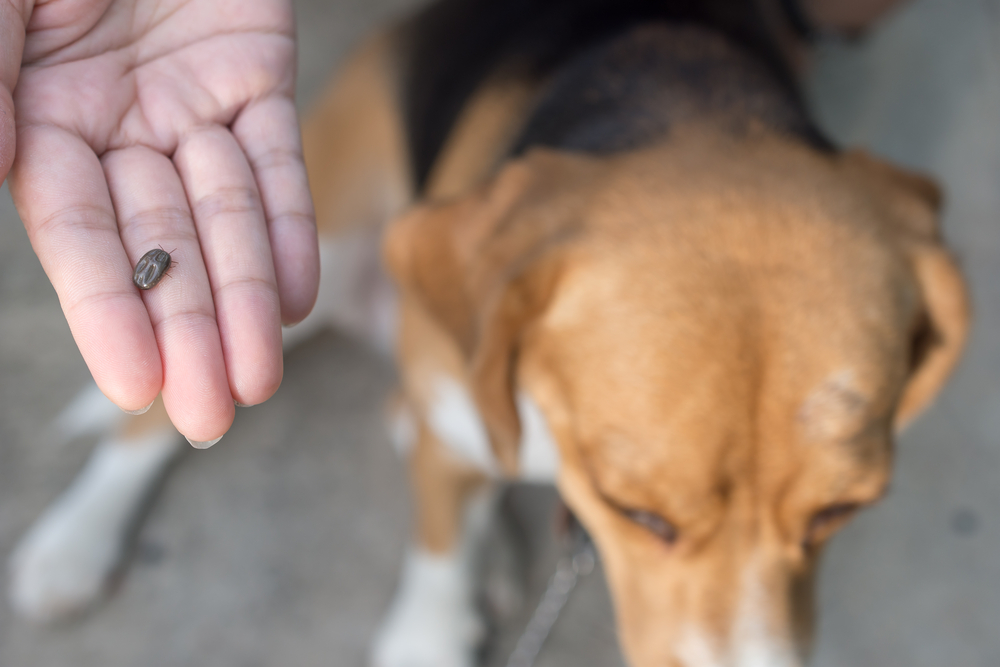
In central Texas, ticks are active essentially year-round, and several tick-borne infections can either trigger these blood diseases or mimic them closely. Suppress the immune system while a hidden infection quietly rages on, and you get a pet who improves, then crashes, so ruling out that driver first is what prevents incomplete treatment and relapse.
Here are the key players and how they hit the blood:
- Lyme disease: this infection can trigger immune reactions and, in some dogs, kidney involvement.
- Rocky Mountain spotted fever: it damages small blood vessels and drops platelet counts.
- Ehrlichia and anaplasma: these two commonly cause low platelets and can mimic ITP outright.
- Babesia: Babesia is a standout example here, more common in Pit Bulls and Greyhounds and spread dog-to-dog through bites, and it can trigger red cell destruction that looks identical to primary disease until the infection is found.
Because of that overlap, tick-borne disease screening is a standard part of the blood disorder workup here, not an optional add-on.
Pinning Down the Diagnosis: What the Bloodwork Reveals
Diagnosis starts with your story and a hands-on exam, then moves to bloodwork that tells us exactly what the immune system is attacking and why. We ask about recent tick exposure, new medications, travel, and how fast things changed, then we feel for an enlarged spleen or lymph nodes and check gum color. From there, the testing does the confirming:
- CBC and blood smear: counts red cells and platelets and lets us see clumping or abnormal shapes under the microscope.
- Coombs test: detects antibodies stuck to red blood cells, supporting an IMHA diagnosis.
- Reticulocyte count: shows whether the bone marrow is responding by pumping out young red cells.
- Chemistry panel and urinalysis: check organ function and look for red cell breakdown products in the urine.
- Tick-borne disease screening: rules in or out the infectious triggers that change the whole plan.
- Cancer and toxin evaluation: imaging or added tests when the history or exam points that way.
Our in-clinic lab runs diagnostics with same-day results, so we can confirm the target and start treatment during the same visit rather than losing a day. And because a scared, unwell pet does not need extra tension, we use Fear Free handling for anxious patients throughout the workup.
Building the Recovery Plan: Treating IMHA and ITP
Treatment runs on two parallel tracks: stop the immune attack, and support the body while blood counts climb back. For secondary cases, we treat the underlying trigger alongside immunosuppression, because calming the immune system without addressing the cause invites relapse. Every plan is individualized and adjusted as counts respond. We map out the best treatment plan for your pet based on the diagnosis and an honest conversation with you. Some of these treatments are offered in house; for complex cases, we may recommend referral for more advanced options.
How IMHA Is Brought Under Control
| Treatment | What it does |
| Immunosuppression | Corticosteroids and related drugs switch off the attack on red cells. |
| Anti-clotting medication | Blood thinners protect high-risk patients from dangerous clots. |
| Supportive care | Rest, nutrition, and monitoring while the marrow rebuilds red cells. |
| Blood transfusion | For severely anemic pets, blood transfusions buy time by restoring oxygen-carrying cells. |
| Plasma exchange | For severe or refractory cases that will not respond to standard immunosuppression, therapeutic plasma exchange has emerged as a way to filter the harmful antibodies out of the bloodstream directly. |
| Targeted antimicrobials | When a tick-borne or other infection is confirmed, the right drugs go after the driver, and in select severe cases blood purification can help clear it. |
How We Rebuild Platelet Counts in ITP
For ITP, we work to quiet the immune system and get platelet numbers back up.
- Corticosteroids: the first-line therapy to shut down the immune attack on platelets.
- Vincristine: nudges the bone marrow to release more platelets into circulation.
- Intravenous immunoglobulin: for critically low counts, it can slow the destruction quickly.
- Splenectomy: removing the spleen is a later option for cases that keep relapsing despite medication.
Staying Ahead of It: Tick Prevention as Your First Line of Defense
Consistent tick prevention is one of the most direct ways to lower the risk of these blood diseases, because it blocks the tick-borne infections that so often trigger them. Every gap in coverage leaves an exposure window, and a single missed month is enough of an opening for a tick to do its work.
Year-round tick prevention with a prescription-strength product is far more reliable than an over-the-counter option at keeping the infections that spark secondary blood disease off your pet in the first place. We can match your pet to the right one during a wellness and preventative care visit.
Your Questions About IMHA and ITP, Answered
Can my pet fully recover from an autoimmune blood disease?
Many pets do recover and go on to live full lives, especially when the disease is caught early and treated promptly. Some need medication for months and are gradually weaned off, while others require longer-term management. Secondary cases often resolve well once the underlying trigger is treated. Recovery takes patience and regular rechecks to catch a relapse early, but a serious diagnosis is not the same as a hopeless one.
Is IMHA or ITP contagious to my other pets or my family?
The autoimmune disease itself is not contagious, so your other animals and your family are not at risk from the condition. The exception involves some secondary triggers. Certain infections behind these diseases, like Babesia spread between dogs through bites, or leptospirosis, can pose their own risks. That is one more reason we work to identify the underlying cause rather than treating the blood disease in isolation.
How much does treatment cost, and how long does it take?
Costs vary widely depending on severity, whether hospitalization or transfusions are needed, and how long medication continues. Mild cases managed on oral pills cost far less than critical cases needing intensive care. Most pets need frequent rechecks and bloodwork in the first weeks, then visits spread out as counts stabilize. We will talk through the expected plan and costs with you up front so there are no surprises.
The Hopeful Part: Early Action Changes the Outcome
A diagnosis like this lands hard, and the fear that comes with it is completely understandable. Here is the reassuring truth: fast, accurate testing gives most pets a genuine chance at recovery, and the strongest outcomes tend to belong to the families who spotted the early signs and acted. You do not have to sort out whether this is serious on your own.
If your pet’s gums look pale or yellow, or you notice new bruising or sudden weakness, book a visit and we will start the workup today. When something feels off, trust that instinct and reach out, because with these diseases, the sooner we look, the better the odds.