Acupuncture, Laser Therapy, and More: Supporting Surgery Recovery Holistically
Surgery creates trauma even when it’s therapeutic. Incisions hurt. Inflammation develops. Mobility decreases. Traditional post-operative care uses pain medications and rest, but integrative approaches add support that can speed healing, reduce complications, and improve overall recovery. Acupuncture can reduce pain and inflammation. Laser therapy can support tissue repair. Nutrition fuels the immune system. When combined, these therapies help pets heal faster, safer, and stronger.
Star of Texas Veterinary Hospital in Austin integrates Fear Free principles with comprehensive after-surgery care that goes beyond standard protocols. We combine appropriate pain control with acupuncture to help reduce reliance on certain medications. We use cold laser therapy to support wound healing and reduce swelling. Nutritional guidance ensures pets get what they need to rebuild tissue. Through our integrative services, we tailor recovery plans that support both physical healing and emotional wellbeing. Request an appointment to discuss your pet’s surgery and recovery options.
Why Integrative Therapies Transform Recovery
Recovery is about more than waiting for an incision to close. Surgery triggers pain, inflammation, and stress that can slow healing. Integrative therapies work alongside your vet’s plan to address these from multiple angles. Physical rehabilitation helps maintain muscle and joint function during rest. Cold laser therapy reduces swelling and supports cellular repair. Acupuncture helps modulate pain and calm the nervous system. Nutrition provides the building blocks for tissue repair.
Together with standard pain management and wound care, these tools can reduce discomfort, shorten recovery time, and improve mobility. The goal is not just to get through surgery, but to help your pet thrive afterward.
The Critical Post-Op Window: What to Expect
The first 24 to 48 hours set the tone for recovery. As anesthesia fades, you may see drowsiness, mild wobbliness, or quiet behavior. Some swelling and tenderness at the incision is normal, and pain may fluctuate as medications wear off.
Timelines vary by procedure and pet. A young dog after a spay may rebound in days. An older cat after abdominal surgery may need weeks. Orthopedic procedures usually take longer due to bone and ligament healing, and can take months to get back to normal.
We provide tailored discharge instructions and follow-up visits to monitor progress, adjust pain control, and time integrative therapies for best results. This structure helps catch small issues early and keeps recovery on track.
First Days at Home: Normal vs. Not
Mild lethargy and lower appetite are common in the first day or two. Offer small, frequent meals and consider warming food to boost aroma. Some pets eat better with hand-feeding or quiet reassurance.
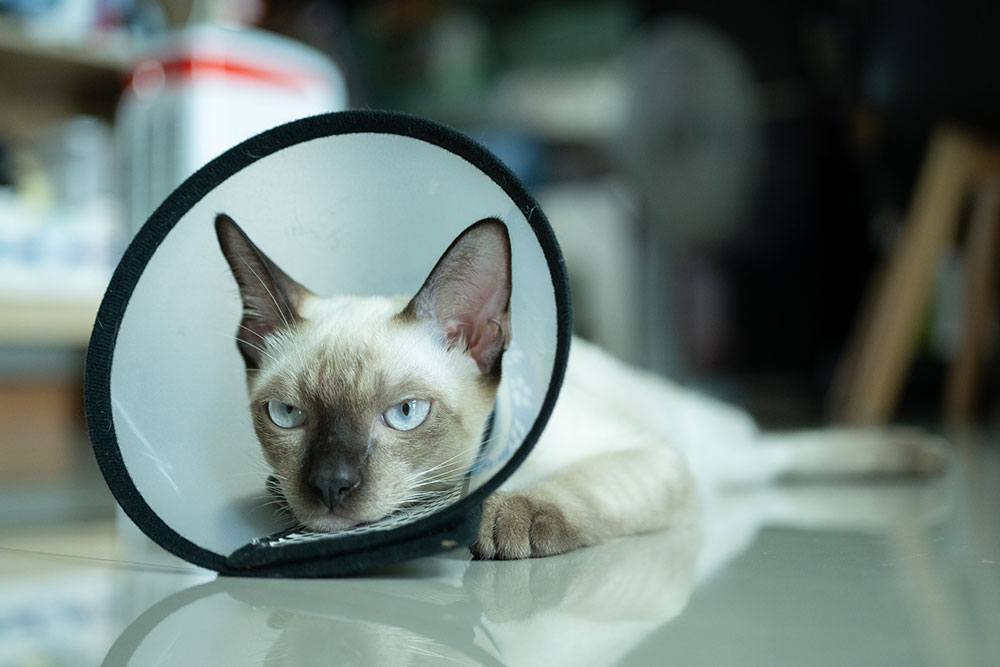
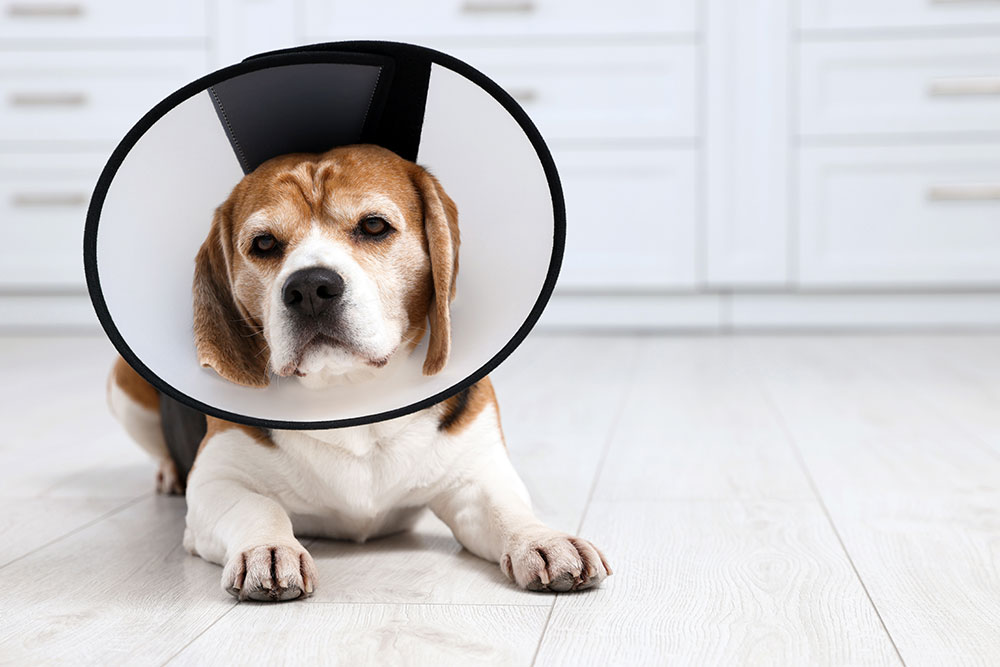
Create a calm recovery space with soft bedding, easy access to water, and limited activity. The cone (E-collar) prevents licking that can delay healing. Simple adjustments like padding the edges or using inflatable alternatives can make a cone comfortable during the first few days.
Caring for cats after surgery often means providing extra environmental support. Try low-sided litter boxes and easy-to-reach food and water. Setting up a small recovery room with everything at ground level helps cats feel secure and reduces jumping risks. Our Fear Free approach helps reduce stress from hospital to home.
Red Flags: When to Call the Vet
Some signs are normal; others are not. Contact your veterinarian immediately if you see excessive bleeding, rapidly growing swelling, foul odor, or discharge at the incision. Here’s a great guide to what incisions look like at various points in the stages of healing. Persistent vomiting, diarrhea over 24 hours, black stools, or refusal to eat or drink beyond a day also require attention. Severe lethargy, pale gums, rapid breathing, weakness, or collapse are urgent signs. Pain that worsens or doesn’t improve with medication needs evaluation.
Dogs and cats show pain signs differently, so watch for changes in behavior, posture, or appetite. Simple checks of gum color, breathing rate, and incision appearance can help you track recovery at home. Understanding which situations qualify as veterinary emergencies helps you act quickly and confidently. Since we handle our own emergencies at Star of Texas, you can reach us directly at 512-291-1600 during business hours for guidance or urgent concerns.
Breathing or Bleeding Problems After Surgery: Don’t Wait
Trouble breathing is always urgent. Respiratory distress includes rapid or labored breathing, exaggerated chest movement, open-mouth breathing in cats, or blue-tinged gums.
Risk is higher after surgeries near the chest, neck, or airway, and in flat-faced breeds. Watch for early signs like restlessness, neck extension while breathing, or inability to settle. If you notice changes, seek emergency care immediately. Keep your pet calm and avoid pressure on the neck or chest during transport.
While some blood-tinged fluid is normal around the incision for the first day, that should stop quickly. If you notice blood dripping from the incision, or any discharge more than a few drips past the first day of healing, tell us.
Pain Management: Keeping Pets Comfortable
Good pain control is a team effort. Most pets do well with a combination of anti-inflammatory medication and other pain relievers for the first few days. Your job is to give meds on time, watch behavior, and note what activities seem uncomfortable.
Pets show pain differently. Dogs may pant, pace, or guard an area. Cats often hide or get unusually quiet. The feline grimace scale can help you spot subtle discomfort in cats.
Lower stress can lower pain. Keep lighting soft, reduce noise, and limit handling. Gentle massage away from the incision can help some pets relax. Our veterinary care in Austin includes practical tips so you feel confident managing pain at home.
Rest and Restricted Activity: Why It Matters
It’s tempting to let an active pet do “just a little.” But early activity can reopen incisions or damage repairs, especially after orthopedic surgery. Controlled rest protects healing tissues and reduces scarring. Dogs do best with crate rest or a small, cozy area kept near family activity to prevent isolation. Cats often do better with small-room rest than crates, so remove jumping opportunities and keep essentials at floor level. Keep bathroom breaks short and on leash- no running, no zoomies, and no rough play.
Keep minds busy with low-effort enrichment. Try puzzle feeders, snuffle mats, or simple scent games. Rotating different types of toys keeps them interesting. Use non-slip rugs, block stairs, and prevent jumping on furniture.
Nutrition: Fueling Healing
Food is medicine during recovery. Protein rebuilds tissue. Key vitamins and minerals support immune function and wound repair. If appetite dips, start simple. For dogs not eating, try smaller meals, warming food, or novel proteins. For picky eaters, add a splash of low-sodium broth or a spoon of plain pumpkin to make meals more appealing.
Call your vet if your pet refuses all food for more than 24 hours or seems weaker despite medication. Sometimes an appetite stimulant or anti-nausea support is needed. Dr. Christine McCoy, our certified nutrition counselor, offers nutritional consultations to create simple, stomach-friendly feeding plans for recovery.
Physical Rehabilitation: Getting Strength and Mobility Back
Veterinary physical rehabilitation helps restore function while protecting healing tissues. Early on, gentle passive range-of-motion keeps joints flexible and supports circulation. As your pet improves, controlled exercises rebuild strength and balance.
Hydrotherapy, such as underwater treadmill work, provides low-impact conditioning. Warm water eases discomfort and helps pets move more freely. Hands-on techniques like massage and stretching can reduce tension and swelling.
Your pet’s plan depends on the surgery and how they’re healing. Many orthopedic recoveries benefit from 8 to 12 weeks of guided rehab, while soft-tissue procedures often need less. Regular check-ins help us advance exercises safely at the right pace.
Laser Therapy: Gentle, Non-Invasive Support
Laser therapy uses focused light to support cellular repair, reduce inflammation, and provide drug-free pain relief. Sessions are quick, comfortable, and require no sedation. Many pets relax during treatment.
Benefits build over several sessions. Early visits target swelling and acute pain. Later treatments support tissue remodeling and function. Laser therapy pairs well with medications and rehab, and can often be done over bandages.
Research shows improved healing rates, less swelling, and faster return to normal activity with laser therapy compared to standard care alone. We regularly include laser therapy in post-op plans to enhance comfort and speed recovery.
Acupuncture: Calming Pain and Inflammation
Veterinary acupuncture uses very fine needles at specific points to help manage pain, reduce inflammation, and promote relaxation. Many pets get sleepy during sessions, which typically last 15 to 20 minutes.
Acupuncture is especially helpful when pain is hard to control with medication alone or when drug options are limited. Early sessions may be scheduled every few days, then spaced out as healing improves. Dr. Sabo, our trained acupuncturist, works with each pet to develop a treatment plan that complements their overall recovery protocol.
We often combine acupuncture with laser therapy, rehab, and standard medications to provide well-rounded support while minimizing side effects.
Your Pet’s Integrative Recovery Plan
Every pet and surgery is different. A customized plan aligns treatments with your pet’s needs and your home routine. At discharge, we set clear steps for pain control, rest, and incision care. Follow-ups allow us to assess pain, movement, and healing so we can adjust the plan. We add therapies at the right time: often laser within days, acupuncture in the first week for pain, and rehab once controlled movement is safe.
From routine spay and neuter procedures to complex surgeries, our team designs practical, compassionate plans that help pets heal well and return to the activities they love. For more complex procedures, we can schedule a board-certified mobile surgeon and provide comprehensive post-operative integrative support.
FAQs
How much pain is normal after surgery?
Mild to moderate soreness is expected in the first few days, but it should improve with medication. If pain worsens or your pet can’t settle, call us.
When can my pet resume normal activity?
It depends on the procedure. Many soft-tissue surgeries allow gradual increases in 10 to 14 days, while orthopedic repairs need strict rest for weeks. We’ll give you a timeline.
Do laser therapy and acupuncture replace pain meds?
No. They complement medications and can help reduce doses while maintaining comfort.
What should my pet eat after surgery?
Start with their regular diet in small portions. If appetite is low, try warming food or adding small amounts of low-sodium broth or plain pumpkin. Call us if they refuse food for more than 24 hours.
Your Partner in Complete Post-Operative Healing
Integrative post-op care blends proven pain control with targeted therapies like acupuncture, laser treatment, and structured rehab. Together, these help pets heal faster, feel better, and regain strength more completely. With thoughtful home care and early attention to red flags, you can support a smoother recovery. We’re here to guide you, answer questions, and tailor a plan that fits your pet and family. Call us at 512-291-1600 to discuss post-operative care or to schedule integrative therapies, or request an appointment to get started.