Is It IBD, Allergies, or Cancer? Investigating Chronic Vomiting in Pets
Nothing disrupts a household quite like persistent vomiting. The cleaning feels constant, mealtimes become stressful, and you find yourself wondering if this is just a phase or something you should really worry about. If you’ve been Googling “why does my cat keep throwing up” at 2 a.m., you’re not alone. For many pets, not feeling well is hard enough without the added stress of vet visits, and we get that.
Star of Texas Veterinary Hospital approaches chronic vomiting with medical precision and emotional awareness. As Austin’s first Fear Free certified practice, we keep dogs, cats, and pocket pets calm while we search for answers. Our longer appointment times and comprehensive approach consider diet, organ health, and GI function. From careful food trials to targeted diagnostics, we guide families step by step. Request an appointment to address vomiting with a plan that honors both health and comfort.
When Does Vomiting Signal Something More Serious?
The occasional hairball or random grass-eating episode happens to the best of pets. But frequent or long-term vomiting is a different story. If your pet vomits multiple times per week for several weeks, or episodes stretch on for months, it’s time to dig deeper.
Call your vet sooner if you notice:
- Unexplained weight loss
- Low energy or hiding more than usual
- Changes in drinking or urination
- Diarrhea along with vomiting
- Blood in vomit or dark “coffee ground” material
- Belly pain or sensitivity when touched
These signs can point to broader health issues, including senior pet health problems that become more common as pets age. Our wellness examinations establish baselines and help us catch changes early, before they become bigger problems.
What Causes Pets to Vomit Repeatedly?
Could Your Pet’s Food Be the Culprit?
Food can trigger chronic vomiting even if your pet has eaten the same diet for years without issue. Pets may develop:
- Food allergies: the immune system overreacts to proteins like chicken or beef
- Food intolerances: digestive upset without an immune reaction involved
Both can look pretty similar, which is why figuring out the cause takes a systematic approach. Dietary indiscretion matters too. Trash raids, table scraps, and a rotating buffet of new treats can irritate the GI tract over time. When vomiting won’t quit, choosing the right food and sticking to consistent feeding become essential pieces of the puzzle.
When Internal Organs Are the Real Problem
Sometimes the stomach isn’t actually to blame. Diseases affecting the kidneys, liver, pancreas, or thyroid can all cause nausea and vomiting.
- Chronic kidney disease often leads to daily vomiting, weight loss, and increased thirst, especially in cats.
- Liver problems vary widely, from gall bladder diseases to chronic hepatitis in dogs.
- Hyperthyroidism, diabetes, and pancreatitis all disrupt normal digestion.
Finding these conditions with bloodwork and targeted tests helps us treat the actual cause rather than just managing symptoms. Our in-house diagnostic capabilities let us run comprehensive blood panels quickly and reduce the stress of multiple visits.
Primary Digestive Tract Disorders
When the GI tract itself is inflamed or blocked, vomiting is one of the first signs.
- Inflammatory bowel disease (IBD) causes chronic gut inflammation, weight loss, and off-and-on diarrhea.
- Obstructions of the GI tract can come from swallowed toys, bones, fabric, or severe hairballs. Some obstructions are only partial- meaning they cause waxing and waning symptoms.
- Ulcers in the stomach can occur from a number of reasons, like toxins or NSAIDS (certain pain medications). Signs are typically chronic vomiting with a “coffee-ground” like appearance.
- Motility issues such as megaesophagus cause regurgitation, where food comes back up easily without the retching you see with true vomiting. It’s important to be able to tell the difference between regurgitation and vomiting.
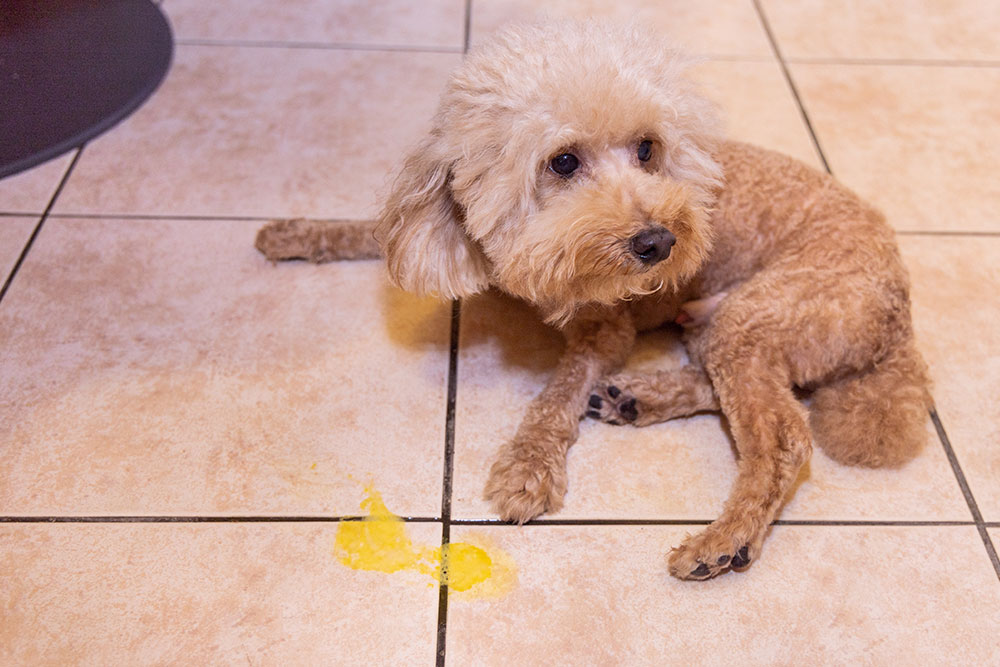
- Bilious vomiting syndrome can cause early-morning yellow bile vomiting in dogs.
- Pyloric stenosis is a stricture (tightening) of the bottom part of the stomach leading to the intestines, causing a slowing of food moving through pylorus which leads to chronic vomiting.
- Cancer, including GI lymphoma, becomes more likely in older pets and can mimic other conditions, which is why proper diagnosis matters so much.
Environmental Hazards and Ingested Toxins
Curious pets sometimes eat things they shouldn’t. Toxic plants, medications, and household chemicals can all cause vomiting and much worse. Lilies (especially dangerous for cats), sago palms, azaleas, antifreeze, and rodenticides are common culprits. Pets who take the occasional nibble of a houseplant or periodically get into the trash can will have vomiting that comes and goes. Many toxins will cause kidney or liver failure, which also causes vomiting.
Keep poison control contacts handy and check for toxic plants before bringing greenery into your home. If you suspect poisoning, seek care right away- contact us for directions on what to do, and bring any packaging of consumed items with you when you visit us.
Could Stress or Fast Eating Be the Problem?
Not all chronic vomiting points to a serious medical condition. Sometimes the cause is simpler: your pet is stressed, eating too fast, or both.
Vomiting From Eating Too Quickly
Some pets inhale their food like they’re competing in a speed-eating contest. When food hits the stomach too fast, it can come right back up, often looking almost undigested. The common term for this is “scarf and barf”. This is especially common in multi-pet households where competition for food creates urgency, or in pets with a history of food insecurity.
Slowing down mealtimes can make a big difference. Puzzle feeders and slow-feed bowls force pets to work for their food, turning a 30-second inhale into a more reasonable pace. Interactive feeders come in various difficulty levels to match your pet’s problem-solving skills, offering mental enrichment while naturally slowing eating. Other strategies that help:
- Feeding smaller, more frequent meals throughout the day
- Using a muffin tin or spreading food on a flat surface to prevent gulping
- Feeding pets in separate rooms to reduce competition anxiety
Stress-Related Vomiting
Pets can absolutely vomit from stress and anxiety. Changes in routine, new family members (human or animal), construction noise, travel, or even subtle household tension can trigger GI upset in sensitive pets. Cats are particularly prone to stress-related vomiting, though dogs experience it too.
Signs that stress might be contributing:
- Vomiting that coincides with specific events or changes
- Other anxiety behaviors like hiding, over-grooming, or changes in litter box habits
- Improvement when the stressor is removed or reduced
If we suspect stress is playing a role, we’ll talk through environmental modifications, enrichment strategies, and whether calming supplements or medications might help. Sometimes addressing stress is the missing piece that finally resolves vomiting that didn’t fully respond to other treatments.
How We Diagnose the Root Cause
Starting with a Comprehensive Evaluation
We begin with a thorough exam and a detailed conversation about what’s been going on: when the vomiting started, how often it happens, what it looks like, and any changes to diet or behavior. Baseline tests usually include:
- Bloodwork for organ function and hydration status
- Urinalysis for kidney health and signs of infection
- Fecal testing to check for parasites
- Imaging like radiographs or ultrasound to look for masses, obstructions, or organ changes
Our in-house digital radiology and ultrasound capabilities (with veterinarians and technicians certified in ultrasonography and echocardiography) help us move quickly and reduce stress for your pet and your family.
Could Food Be the Answer? Understanding Elimination Trials
How Food Trials Work
If initial tests don’t explain the vomiting, a structured diet trial is often the next step. Your pet eats only a prescribed diet featuring either:
- A novel protein and carbohydrate they’ve never eaten before
- A hydrolyzed diet, where proteins are broken down small enough that the immune system doesn’t recognize and react to them
For GI symptoms, we typically recommend sticking strictly to the diet for 3 to 4 weeks. And when we say strict, we mean it: no treats, no table scraps, no flavored medications, no sneaking bites from another pet’s bowl. Afterward, you may reintroduce the previous diet to see if symptoms return.
Common questions we hear:
- How strict is strict? Very. Even small exposures can reset inflammation and muddy the results.
- How long until we see improvement? Many GI cases show noticeable change within a few weeks.
- What if nothing changes? Then we can confidently focus our investigation elsewhere.
Over-the-counter “limited ingredient” foods often contain trace proteins from shared manufacturing equipment and aren’t reliable for true diagnostic trials. Dr. Christine McCoy, our certified nutrition counselor, provides personalized nutritional consultations to help you choose a plan that works for your pet and your household, including strategies for multi-pet homes where food sharing is a challenge.
What Results Tell Us
If symptoms improve on the trial diet and return when you reintroduce the old food, that strongly suggests food sensitivity. The good news? Long-term management is usually just a matter of sticking with a diet that works.
If there’s no improvement despite perfect compliance, that tells us to focus on primary GI disease, systemic illness, or structural issues. We’ll adjust next steps based on what we find, with ongoing monitoring.
When Do We Need Biopsies?
Endoscopy: A Minimally Invasive Option
If testing and diet trials don’t give us clear answers, or if imaging raises concerns about inflammation or cancer, endoscopy is one way to see the upper GI tract directly and collect small tissue samples. This minimally invasive procedure uses a flexible camera passed through the mouth to visualize the esophagus, stomach, and upper small intestine. It’s done under anesthesia, and most pets recover quickly.
While we don’t perform endoscopy in-house, we can refer you to a specialist if this approach makes the most sense for your pet’s situation. Our team will help coordinate that care and stay involved throughout the process.
Exploratory Surgery: When We Need a Closer Look
Sometimes the best way to get answers is through an abdominal exploratory surgery, also called a laparotomy. This procedure allows the surgeon to directly visualize organs, check for masses or obstructions, and collect full-thickness GI biopsy samples from multiple locations.
Exploratory surgery is often recommended when:
- Imaging suggests a mass, obstruction, or abnormality that needs hands-on evaluation
- We need tissue samples from areas endoscopy can’t reach
- Full-thickness biopsies (through all layers of the intestinal wall) will provide more diagnostic information than surface samples alone
For cases requiring advanced surgery, we can arrange for a board-certified mobile surgeon to perform procedures right here at our facility. This means your pet gets specialist-level care without the stress of traveling to an unfamiliar hospital.
We use Pre-Visit Pharmaceutical options when appropriate to reduce anxiety before procedures and support a smooth recovery.
What Tissue Samples Reveal
Biopsies show us whether we’re dealing with IBD, lymphoma, other cancers, infections, or different inflammatory patterns. Endoscopic samples assess only the lining of the GI tract, while surgical biopsies provide deeper tissue that can reveal problems endoscopy might miss. An accurate diagnosis means we can create a targeted treatment plan instead of guessing.
Treating the Underlying Problem
Managing Food-Responsive Vomiting
If food sensitivity is confirmed, treatment is straightforward (though it does require discipline): keep feeding the diet that works. We’ll help you:
- Set house rules for treats and table food that the whole family can follow
- Navigate the challenges of multi-pet homes
- Prepare for travel and holidays without accidental slip-ups
Consistency is what keeps symptoms from coming back.
Addressing Inflammatory Bowel Disease
IBD usually calls for a combination approach:
- Anti-inflammatory or immune-modulating medications
- Diet adjustments
- Probiotics to support gut health
- Targeted antibiotics only when truly indicated
Treatment plans are individualized because every pet responds differently. With monitoring and tweaks along the way, many pets feel much better for the long haul. Dr. Sabo, our trained acupuncturist, can also provide complementary acupuncture services that may help reduce GI inflammation and support overall digestive health.
Treating Systemic Causes
When organ disease is the underlying issue, we focus treatment there. For example:
- Kidney disease: hydration support, specialized diets, and medications
- Hyperthyroidism: medication, radioactive iodine therapy, or surgery
- Pancreatitis: pain relief, anti-nausea care, and diet changes
By treating the core problem, vomiting often resolves or improves significantly. We diagnose and manage endocrine conditions including diabetes mellitus, hypothyroidism, hyperthyroidism, Addison’s disease, and Cushing’s disease with comprehensive testing and individualized treatment plans.
Supporting Your Pet During the Diagnostic Journey
You’re a key partner in this process, and your observations at home really do guide our decisions. Helpful steps include:
- Keep a symptom diary: timing, appearance of vomit, what was eaten, and any behavior changes. Photos are genuinely helpful (we promise we’ve seen it all).
- Encourage hydration and follow medication schedules closely.
- Call promptly if your pet stops eating, becomes lethargic, seems painful, or starts vomiting more frequently.
We welcome questions and updates between visits. Our cat-friendly environment features a cats-only exam room, designated waiting area, calming pheromones, and safe hiding places to support calmer exams and smoother follow-ups. We also offer customizable appointment options including in-person, curbside, extended, backyard, visual, and telemedicine visits to meet your pet’s individual needs.
FAQs: Quick Answers for Concerned Pet Parents
How do I know if it’s an emergency?
Continuous vomiting, blood in the vomit, a bloated abdomen, severe lethargy, or suspected toxin exposure all need immediate care. When in doubt, call us at 512-291-1600.
Is regurgitation the same as vomiting?
Nope. Regurgitation is passive and often happens soon after eating, while vomiting involves abdominal effort and nausea. Knowing which one you’re seeing helps us narrow down the cause.
Can a food allergy start suddenly?
Absolutely. Pets can develop sensitivities after years on the same diet without any issues.
How soon will a diet trial help?
Many GI cases improve within 3 to 4 weeks if the trial is followed strictly.
Will my pet need a biopsy?
Not always. We recommend biopsies when test results or response to treatment leave unanswered questions, or when we’re concerned about cancer or IBD.
Finding Answers and Restoring Comfort
Chronic vomiting is frustrating and worrying, but there really is a path forward. With thoughtful testing, clear food trials, and targeted treatments, most pets feel much better. We don’t guess; we investigate methodically so care is effective and compassionate.
Your pet deserves comfort, and you deserve peace of mind. Schedule a consultation so we can start finding answers together. Our Fear Free, integrative approach (including options like acupuncture and nutritional counseling) keeps your pet calm while we identify the cause and create a plan that truly helps.