


There’s something about watching your dog hesitate at the bottom of the stairs, or seeing your cat slide across the kitchen floor, that immediately shifts your focus. You want to help. You want them to feel confident again, to greet you at the door, chase their favorite toy, or simply walk across the room without struggling.
If you’re wondering whether mobility aids can really make a difference for a pet who’s slowing down, the answer is yes. Difficulty moving doesn’t mean your pet’s happy life is over. It just means a new chapter is beginning, one where you provide the tools and support they need to move with greater stability and less effort.
The good news is that wonderful assistive devices exist today, from simple harnesses and slings to life-changing mobility carts and traction aids. With the right fit and introduction, these tools can help pets feel confident and comfortable again.
Getting a professional evaluation early makes all the difference. As Austin’s first and only Fear Free certified practice, Star of Texas Veterinary Hospital prioritizes minimizing fear, anxiety, and stress during mobility appointments, which is essential for accurately assessing what your pet needs. We believe in advancing veterinary care through integrative and functional medicine, and we’re here to guide you through selecting the right device, creating a comprehensive mobility plan, and incorporating supportive therapies. When you’re ready to give your pet renewed confidence, request an appointment for a mobility assessment with our team.
When Do Pets Need Mobility Assistance?
Mobility assistance isn’t about admitting defeat. It’s about providing safe support to keep pets moving with confidence while protecting them from painful falls and injuries.
Many conditions can lead to mobility challenges. Age-related osteoarthritis is one of the most common, causing stiffness, pain, and reluctance to move. Post-surgical recovery, paralysis or neurological changes, congenital conditions, and life after amputation or injury can all benefit from assistive support.
Early warning signs to watch for:
- Reluctance to climb stairs or jump onto furniture
- Changed gait or favoring certain legs
- Trouble rising from a lying position
- Frequent slipping on smooth floors
- Decreased interest in walks or play
- Pacing differently or seeming hesitant to move
These changes often develop gradually, which can make them easy to dismiss. But acting early matters. It preserves your pet’s confidence, reduces the risk of painful falls, and ensures any device is chosen and fitted properly so it actually helps.
Our team offers gentle exams and personalized recommendations for dogs, cats, and pocket pets in a calm, low-stress setting. For comprehensive guidance that might include pain management, physical therapy, and home strategies, explore our integrative veterinary care in Austin.
What Spinal Conditions Require Mobility Support?
Intervertebral Disc Disease (IVDD)
Intervertebral disc disease occurs when the cushioning discs between vertebrae rupture or bulge, putting pressure on the spinal cord. This causes pain, weakness, difficulty walking, or in severe cases, paralysis.
While breeds with long backs like Dachshunds and Beagles are particularly prone to IVDD, any dog can be affected. Symptoms range from mild back pain and reluctance to jump all the way to dragging rear legs or complete loss of movement.
Treatment depends on severity. Some dogs improve with strict rest and anti-inflammatory medications, while others need surgery to relieve pressure on the spinal cord. Either way, support harnesses and carts or wheelchairs often play a crucial role during recovery, helping pets stand and walk safely while healing. Many dogs regain significant function, though some need long-term assistance.
Degenerative Myelopathy
Degenerative myelopathy is a progressive spinal cord disease most common in German Shepherds and related breeds, though it can occur in others. It typically begins in middle-aged to senior dogs with subtle rear leg weakness and poor coordination.
The disease progresses over months to years, with weakness eventually advancing to affect all four limbs. While there’s no cure, supportive care maintains quality of life for as long as possible.
Mobility aids become essential as the disease progresses. Rear support harnesses help in early stages, and full-body harnesses or carts restore independence as weakness increases. Physical therapy, controlled exercise, and careful monitoring help dogs stay comfortable and engaged throughout the disease course.
What About Cancer and Limb Amputation?
Bone Cancer and Surgical Treatment
Osteosarcoma is an aggressive bone cancer most common in large and giant breed dogs, typically affecting the limbs and causing progressive lameness, swelling, and pain.
Treatment often involves amputation surgery to remove the tumor and provide pain relief, frequently combined with chemotherapy to slow spread. The decision feels overwhelming for most families, but here’s what’s important to know: most dogs adapt remarkably well to life on three legs. They don’t mourn the lost limb the way we might expect. They simply adjust and get on with living.
Supporting Pets After Limb Loss
During initial recovery, support harnesses help dogs navigate stairs, slippery floors, and outdoor terrain while building confidence and strength. Recovery typically takes several weeks, and most pets surprise their families with how quickly they adapt.
Some three-legged dogs continue using harnesses long-term for added stability on challenging surfaces or during longer walks. Front-leg amputees often benefit more from harness support than rear-leg amputees, though individual needs vary. The key is matching support to each pet’s abilities and comfort level as they adapt to their new normal.
What Types of Assistive Devices Help Pets Move Safely?
Choosing the right tool depends on where your pet needs support, how they feel about being handled, and what your home environment looks like.
Support Harnesses and Slings
Support harnesses let you steady your pet during walks, bathroom breaks, stair climbing, and car transfers. They redistribute weight to make standing and walking easier.
Options include:
- Rear-only harnesses for pets with weak hind legs
- Front harnesses for pets with forelimb weakness
- Full-body designs for pets who need support in both areas
Fit is everything. Straps should be snug without pinching, and you’ll want to check regularly for rubbing at the armpits and hips. Start slowly and pair practice sessions with treats to build comfort and positive associations.
For a quick, low-tech solution, a bath towel slung under the abdomen can help steady pets while rising or walking during the adjustment period.
Our Fear Free approach helps pets accept new gear through positive reinforcement and patient handling. We can incorporate harness coaching into your fear free care visits.
Mobility Carts and Wheelchairs
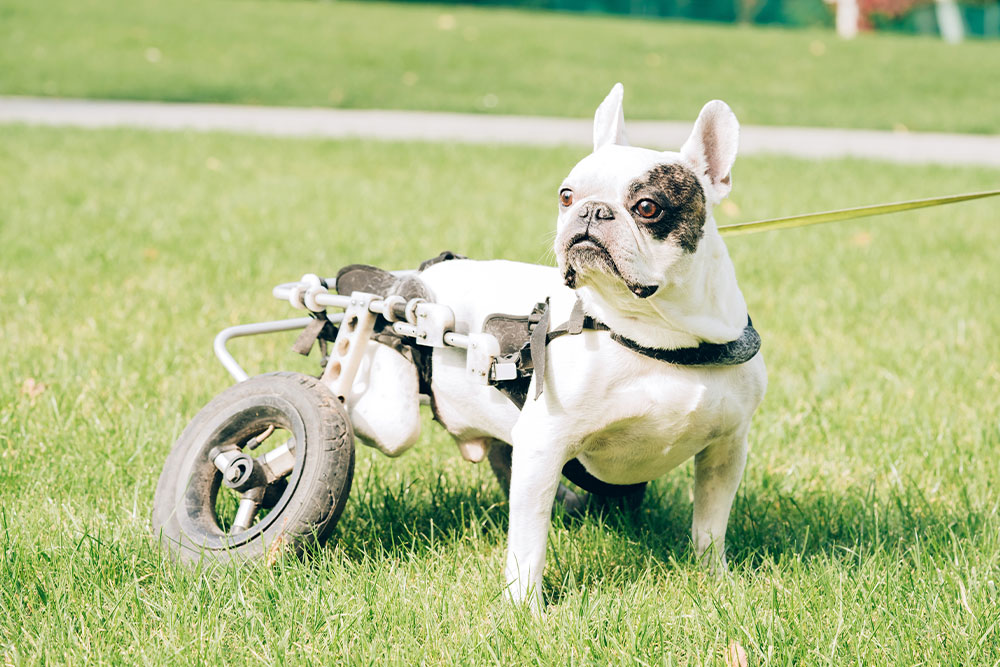
For pets with significant hind limb weakness, paralysis, or limb loss, mobility carts can be truly life-changing. Most pets adapt more quickly than their owners expect, and many absolutely light up at the chance to explore and move freely again.
Modern carts come in adjustable frames or custom builds to match your pet’s size, posture, and strength level.
Tips for successful introduction:
- Start in familiar, open spaces with smooth surfaces
- Keep first sessions short and rewarding
- Use treats and praise to build positive associations
- Check your pet’s skin daily for pressure spots at hip bones, shoulders, and belly straps
- Complement cart time with strength-building exercises
Traction Aids and Grip Solutions
Slippery floors can be genuinely scary for pets with mobility challenges. Traction aids help them maintain footing on hardwood, tile, or laminate, reducing slips and rebuilding confidence.
Options include:
- Nail grips that increase floor contact (great for pets who dislike wearing things on their feet)
- Booties and non-slip socks that provide more coverage
- Paw wax for quick, temporary traction boosts
Improved traction often boosts confidence and activity levels dramatically, especially when combined with harnesses for comprehensive support.
What Home Modifications Make the Biggest Difference?
Small changes around your home can multiply the benefits of any assistive device. Creating an arthritis-friendly home for dogs or implementing home modifications for cats can transform your pet’s daily experience.
High-impact modifications:
- Rugs and runners on common routes with non-slip backing, anchored so they don’t bunch up
- Ramps with gentle angles and textured surfaces for couches, cars, and porches
- Elevated food and water bowls to reduce neck and joint strain
- Orthopedic beds at ground level in quiet spots away from drafts
- Nightlights if vision has changed
- Gates to block stairs when unsupervised
- Ground-level litter boxes for cats with easy, low-sided entry
We help families look at their homes with fresh eyes and identify quick wins that reduce stress and effort. Our team can integrate home strategies into your pet’s services plan and follow up as needs change.

Why Do Devices Work Best With Comprehensive Veterinary Care?
Assistive devices are most effective when they’re part of a bigger picture that includes pain control, strengthening exercises, weight management, and regular check-ins.
Pain control lays the foundation. Pets in pain won’t move regardless of what devices you provide, so medications, supplements, and therapies are essential first steps. A comprehensive mobility management approach ensures devices are just one piece of a supportive toolkit.
Complementary treatments that enhance device effectiveness:
- Veterinary physical rehabilitation builds strength, flexibility, and coordination
- Acupuncture can ease pain and support overall wellbeing
- Laser therapy reduces inflammation and encourages tissue healing
- Weight management is crucial since extra pounds strain already-sore joints
Our Fear Free certified team uses gentle handling, outdoor exam options, and positive reinforcement to keep visits calm and productive. We coordinate pain relief, after-surgery care, exercise plans, and nutrition so your pet’s mobility support stays effective.
How Do You Choose the Right Device for Your Pet?
Start with a clear understanding of your pet’s specific limitation, then pick a device that matches their body, temperament, and daily routine.
A practical introduction approach:
- Schedule a mobility assessment so we can identify what kind of help will be most effective
- Measure carefully for fit, including chest, belly, and limb lengths
- Begin with short sessions and build gradually, pairing devices with treats and calm handling
- Check daily for rubbing or pressure spots
- Reach out if your pet resists or seems uncomfortable
- Reevaluate when life changes happen
When you’re ready to start, request an appointment and we’ll help select, fit, and train with Fear Free handling so your pet feels safe throughout the process.
What Improvements Can You Expect?
With appropriate mobility support, pets often rediscover their routines in ways that surprise and delight their families. Dogs who stopped greeting at the door start meeting family again. Cats who avoided perches find safe ways to reach their favorite spots. Beyond physical movement, confidence grows and anxiety about slipping or falling fades.
Celebrate the small wins: first easy stands, steady walks across tile, successful ramp climbs. These moments reflect real quality-of-life gains.
Needs can shift over time. Some pets require less support as they strengthen, while others benefit from added help as conditions progress. Regular check-ins ensure smooth adaptation.
Many owners find this journey deepens their bond with their pet. Offering thoughtful mobility support is a powerful way to care for their comfort, independence, and happiness. For ongoing guidance, we offer quality of life consultations and long-term mobility planning.
Frequently Asked Questions
How do I know when to try mobility aids?
Consider assistive devices when you notice hesitation with stairs, frequent slipping, slowed activity, or difficulty rising. You don’t need to wait until problems are severe. Early intervention often preserves confidence and prevents injuries.
Are carts only for paralyzed pets?
No. Mobility carts help pets with severe weakness or limb loss too, not just paralysis. Many pets use carts alongside rehabilitation to maintain independence while building strength.
Can cats use harnesses or traction aids?
Yes. Many cats benefit from well-fitted harnesses, nail grips, or strategically placed rugs. Cats often need slower introductions, but they can absolutely learn to accept and even appreciate mobility support.
Can these tools replace medical care?
Assistive devices work best alongside pain control, rehabilitation, and weight management. They’re one piece of a comprehensive plan, not a standalone solution.
Where should I start?
Begin with a veterinary assessment to identify underlying causes and specific needs. Then choose one tool and introduce it gradually with positive reinforcement.
Fear Free, Austin-Based Support From Star of Texas Veterinary Hospital
Mobility challenges don’t have to limit your pet’s joy. With practical devices, simple home updates, and supportive veterinary care, pets can stay active and comfortable for longer than many families expect.
What you can expect from us:
- Gentle movement assessments and tailored plans for dogs, cats, and pocket pets
- Coordination of harnesses, carts, traction aids, and home modifications alongside pain relief and rehabilitation
- Ongoing follow-up to refine fit, training, and comfort as your pet’s needs evolve
If you have questions or want thoughtful, stress-reducing guidance, please contact us. When you’re ready to begin, request an appointment and our team will help your pet move with confidence again.