
Dental X-Rays: A Closer Look at Your Pet’s Oral Health
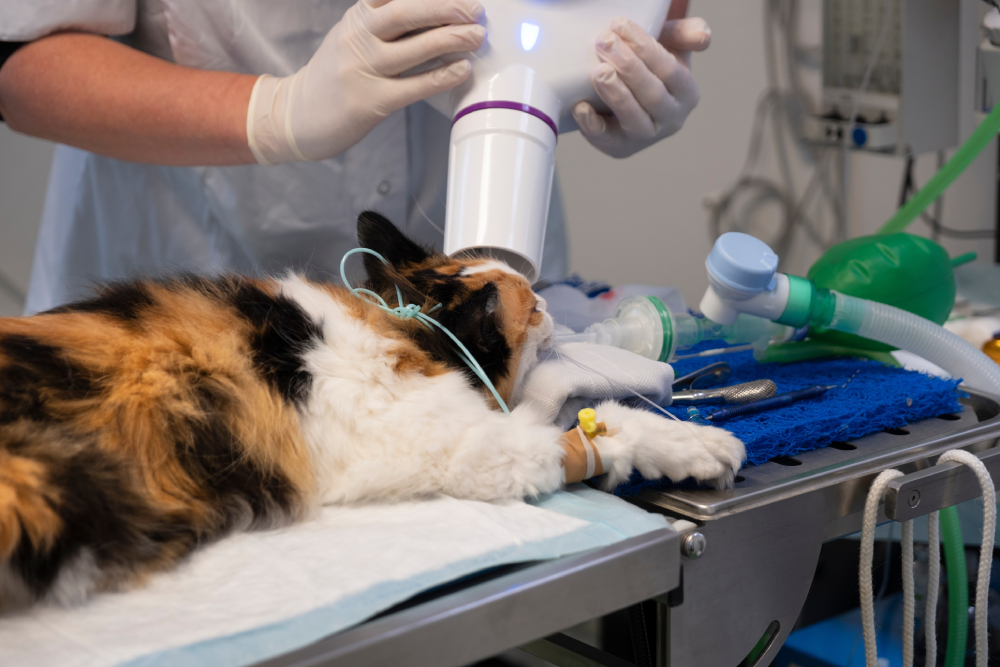
Is your pet suddenly avoiding their favorite chew toy, or maybe tilting their head oddly when they eat? Dental discomfort can be hard to spot in animals, often hiding until it becomes severe. During routine dental cleanings, veterinarians rely on X-rays to look beyond the surface of your pet’s mouth. These essential images uncover hidden issues like root decay, fractures, and bone deterioration, catching problems early to ensure a truly complete and preventive approach to your pet’s oral care.
At Star of Texas Veterinary Hospital, we take a Fear Free approach to dentistry, combining gentle handling, calming techniques, and advanced diagnostic imaging to deliver care that’s both thorough and comfortable. Our team understands that what’s beneath the gumline matters most, which is why dental radiographs are a standard part of every professional cleaning.
Why Dental X-Rays Are Essential for Pet Health
Even the cleanest-looking teeth can conceal serious issues below the surface. Without imaging, painful infections or bone loss can go unnoticed until they cause irreversible damage. Full-mouth X-rays give veterinarians the ability to identify concerns that can’t be seen during a routine oral exam, ensuring pets receive complete and preventive treatment, never just cosmetic care.
Procedures like anesthesia-free dentals may seem appealing, but they only address surface plaque and tartar. Without anesthesia, pets can’t remain still for accurate imaging, leaving deeper disease unchecked. Following AAHA dental guidelines helps ensure pets receive care that prioritizes both comfort and medical completeness.
If your pet is due for a dental exam or you’ve noticed bad breath, pawing at the mouth, or chewing changes, our team can help identify whether it’s time for a cleaning and X-rays.
What Pet Dental X-Rays Reveal Beneath the Gumline
Dental radiographs visualize the full structure of each tooth from crown to root along with the surrounding bone and tissues. This view helps veterinarians detect subtle issues such as:
- Root infections or abscesses
- Bone loss and weakened jaw structure
- Unerupted or retained teeth
- Tooth resorption and internal decay
- Cysts or tumors developing under the gums
Because up to 60% of dental disease lies beneath the gumline, X-rays are crucial for accurate diagnosis and treatment. At Star of Texas, we pair this imaging with a gentle, Fear Free dental cleaning process that keeps pets relaxed while we assess their full oral health picture.
Common Pet Dental Problems Identified with Dental X-Rays
Pet Periodontal Disease: The Hidden Threat
Periodontal disease is one of the most common conditions in pets, often progressing silently until pain or tooth loss occurs. X-rays allow veterinarians to detect early bone loss and inflammation before symptoms appear. Left untreated, bacteria can travel through the bloodstream, affecting organs like the heart and kidneys. In severe cases, bone weakening may even lead to mandibular fractures.
Our advanced diagnostic imaging allows us to spot these changes early and build targeted treatment plans, from deep cleanings to oral surgery if needed.
Fractured Pet Teeth: More Than a Chip
A small crack or chip can expose sensitive tooth pulp and cause pain every time your pet eats. When left untreated, fractured teeth create an entry point for bacteria, leading to infection deep within the tooth root or surrounding bone. This infection can develop into a tooth abscess, a painful pocket of pus that causes swelling, fever, and reluctance to eat. In severe cases, infection can spread beyond the tooth itself, forming a retrobulbar abscess behind the eye when bacteria track along tooth roots in the upper jaw. Pets with retrobulbar abscesses may develop facial swelling, bulging eyes, difficulty opening the mouth, or sudden eye discharge. These complications require immediate veterinary attention and often necessitate tooth extraction, surgical drainage, and aggressive antibiotic therapy to prevent vision loss or systemic infection.
X-rays are essential for evaluating fractured teeth and determining whether repair or extraction is the best option. Digital imaging reveals hidden abscesses, bone loss, and the full extent of damage beneath the gumline, allowing us to create a comprehensive treatment plan that addresses both the visible fracture and any underlying infection.
At Star of Texas Veterinary Hospital, we approach each case with empathy and precision. Our team explains findings in plain language and works closely with you to make treatment decisions that protect your pet’s comfort and wellbeing.
Malocclusions and Bite Alignment Issues in Pets
Malocclusions, misalignments of the teeth or jaw like under- and over-bites, can cause pain, uneven wear, and even punctures of the gums or palate. X-rays help us assess root positioning, bone health, and how misaligned teeth affect the rest of the mouth. In severe cases, misaligned teeth can interfere with eating, cause chronic oral pain, or lead to secondary infections when teeth constantly traumatize soft tissue. Some breeds are genetically predisposed to malocclusions, making early screening and intervention especially important for preventing long-term complications. Young pets with significant bite misalignment may benefit from interceptive orthodontics before the jaw fully matures, potentially avoiding more invasive treatment later in life.
For pets with mild alignment issues, custom care plans may include selective tooth reshaping or orthodontic intervention. Our team always aims to balance aesthetics, function, and comfort while keeping each visit calm and positive.
Tooth Resorption in Cats
Cats frequently suffer from tooth resorption, a painful condition where the tooth structure gradually breaks down beneath the gumline. Because the crown often looks normal, radiographs are the only way to confirm the diagnosis and plan treatment. Affected teeth develop erosive lesions that start at the gumline and progress into the root, causing intense sensitivity and pain when touched or exposed to temperature changes. Over time, the tooth may fracture or become so weakened that the crown breaks off, leaving infected root fragments embedded in the jawbone. Studies suggest that more than half of cats over five years old show signs of tooth resorption, making it one of the most common and painful dental conditions in felines.
At Star of Texas, our feline patients receive care in a quiet, cat-only environment. We use soothing pheromones, soft handling, and calming medications if needed to make dental imaging a stress-free experience for even the most anxious cats.
Oral Tumors and Bone Involvement in Pets
Oral tumors can develop in the gums, tongue, or jawbone, sometimes appearing as swelling, bleeding, or difficulty eating. Radiographs reveal how far these growths extend into bone and help guide treatment planning, whether for surgery, monitoring, or referral to a specialist. Early detection significantly improves outcomes, as tumors caught before bone invasion may be surgically removed with better margins and less aggressive intervention. Some oral masses are benign, while others can be malignant and invasive, making accurate diagnosis through imaging and biopsy essential for determining the most appropriate course of action. Pets with oral tumors may also benefit from staging X-rays of the chest and abdomen to check for metastasis before finalizing a treatment plan.
Our integrative approach means we look at the whole pet, supporting comfort and recovery with nutrition, pain management, and stress-reduction strategies throughout treatment.
Why Pet Dental Cleanings Without X-Rays Miss Hidden Disease
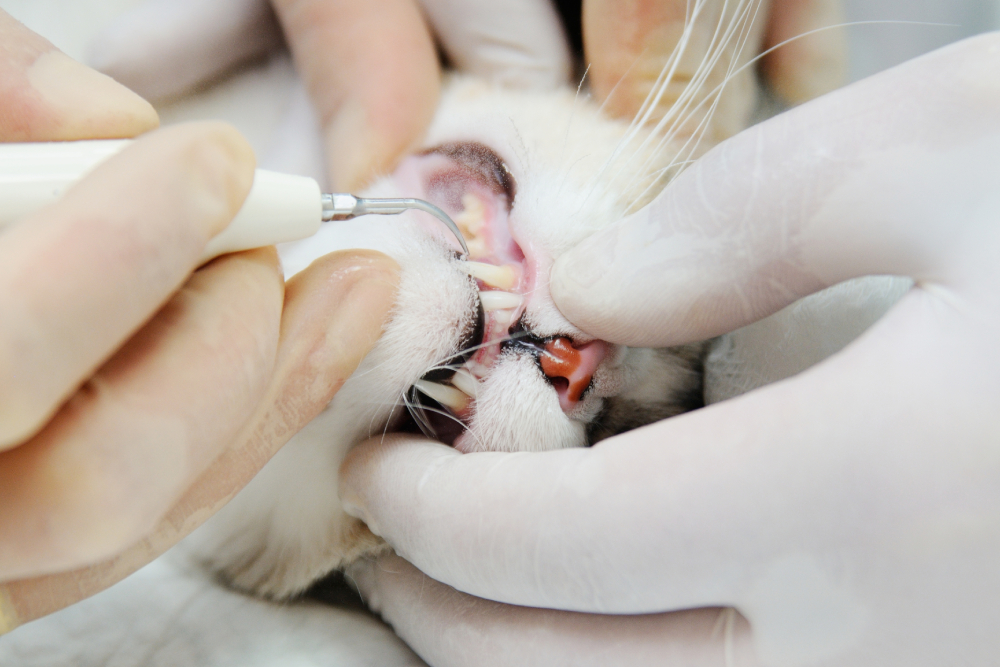
Surface cleanings alone can’t uncover the true state of your pet’s oral health. Many anesthesia-free or quick cleanings focus on appearance rather than medical evaluation, removing visible tartar but leaving infection beneath. These anesthesia-free dentals may temporarily freshen breath but often mask deeper problems.
At Star of Texas Veterinary Hospital, every dental cleaning includes full-mouth radiographs for a complete, preventive approach. Our dental care protocols are Fear Free, with careful monitoring, gentle restraint, and individualized anesthesia plans to ensure safety and comfort.
How Pet Dental X-Rays Guide Treatment and Long-Term Care
Dental radiographs help us tailor each procedure to your pet’s needs. Whether confirming the success of an extraction, checking for bone healing, or assessing ongoing gum health, imaging gives us a detailed roadmap. Following AAHA dental guidelines, we include radiographs with every cleaning to support early detection and personalized treatment.
If your pet needs oral surgery or complex dental work, our team provides full post-operative care, pain control, and follow-up appointments to ensure a smooth recovery. You can request an appointment anytime to discuss your pet’s dental health.
Frequently Asked Questions About Pet Dental X-Rays
Are X-rays safe for my pet?
Yes, modern digital systems use extremely low radiation and are performed under anesthesia for precision and comfort.
Do pets always need anesthesia?
Yes, because pets can’t stay still for clear imaging. Anesthesia keeps the process stress-free and safe.
How often should dental X-rays be done?
Typically, every time your pet has a professional cleaning, or sooner if your veterinarian suspects a problem.
What happens if something is found?
We’ll review the results with you, discuss options, and outline next steps for treatment or monitoring.
For personalized answers about your pet’s needs, our team is always happy to help, just contact us.
The Power of Pet Dental X-Rays in Preventing Hidden Problems
Healthy smiles go far beyond clean teeth. Dental X-rays allow veterinarians to see the unseen, protecting your pet from pain, infection, and future complications.
At Star of Texas Veterinary Hospital, we combine advanced imaging with gentle, Fear Free techniques to make every visit a positive experience. If your pet is due for a cleaning or you’ve noticed subtle changes in eating habits or breath, schedule a comprehensive dental exam today.
Request an appointment to give your pet the comfortable, complete dental care they deserve because a healthy mouth means a happier life.