


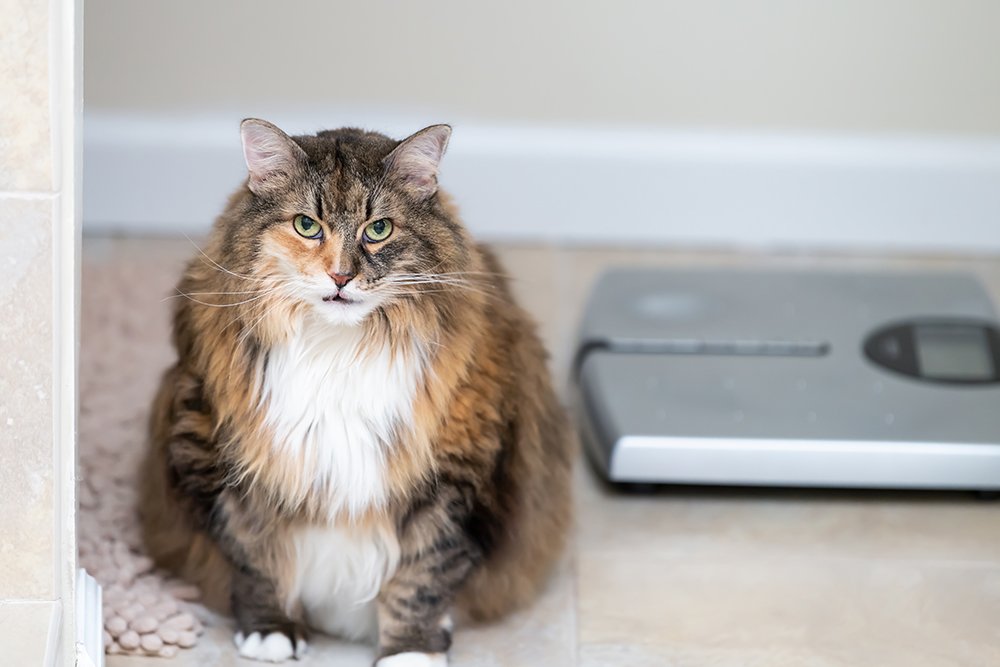
A few extra pounds might not seem like a big deal, but they can quietly take a toll on energy, joints, and long-term health. Weight management is about more than appearance. It is about protecting mobility, preventing chronic disease, and supporting a longer, more active life. Body Condition Scoring, or BCS, gives us a practical way to look beyond the number on the scale and assess how much padding is really there. Because fluff can be deceptive, a hands-on scoring system helps catch small changes before they become bigger problems. A healthy weight is not about perfection. It is about giving the body the best chance to thrive.
Star of Texas Veterinary Hospital provides body condition scoring as a part of every Fear-Free examination, and we’ll teach you how to do it at home, too. Request an appointment to experience a wellness exam where weight discussion is part of a thorough, personalized assessment delivered at a pace that works for your pet. Questions about what a current body condition score means or how to adjust a feeding plan are always welcome, so reach out to our team anytime.
Weight Management Starts with Honest Assessment, Not Good Intentions
Helping a pet reach a healthy weight takes more than motivation. Real, lasting results come from feeding the right number of calories for the pet’s ideal weight, not their current weight, measuring every meal rather than estimating, and making gradual adjustments over time. Exercise matters, but portion control does the heavy lifting when it comes to actual weight loss. Crash diets and dramatic calorie cuts backfire by triggering muscle loss and rebound weight gain. Slow, steady progress is the goal.
Preventive care visits at Star of Texas are where weight trends get tracked early, before a few extra pounds or unexplained weight loss becomes a more significant problem. And for puppies and kittens, early education about appropriate nutrition sets the foundation for healthy habits that carry into adulthood.
Why the Number on the Scale Tells Only Part of the Story
A pet who weighs exactly the same as another pet of the same breed may look and feel entirely different based on body composition. Muscle health matters enormously here: muscle is denser than fat, so a lean, muscular pet can weigh more than a soft, overfat pet of the same size while being considerably healthier. The scale cannot distinguish between the two.
This is why body condition scoring exists. It evaluates fat coverage and muscle mass together, providing a more complete picture of whether a pet’s weight is appropriate for their individual build. Breed standards and aesthetics are not always the right benchmark either; what looks “show ready” may not match what is optimal for joints and longevity. Focusing on how the pet moves, how easily they breathe, and how readily they engage in daily activity is more informative than the scale alone.
How to Assess Your Pet’s Body Condition at Home
Body condition scoring does not require special equipment, just some knowledge of what to look and feel for. Here is how it works:
What to look for:
- From above: a clear waist narrowing behind the rib cage
- From the side: the belly should tuck upward, not hang level with the chest
- Fat pads at the tail base, along the spine, or on the face indicate excess body fat
What to feel for:
- Run hands along the sides of the chest with light pressure. Ribs should be easy to feel without pressing hard, like knuckles through a thin layer of material
The body condition scoring scale from 1 to 9:
| Score | Category | What It Looks and Feels Like |
| 1-3 | Underweight | Ribs, spine, and hips visible; no fat covering; sharp bony prominence |
| 4-5 | Ideal | Ribs easy to feel with light pressure; clear waist; gentle abdominal tuck |
| 6-7 | Overweight | Ribs harder to feel; waist faint or absent; fat pads beginning to form |
| 8-9 | Obese | Ribs cannot be felt; no waist definition; round belly; obvious fat deposits |
Fluffy coats hide body condition changes effectively. Monthly hands-on assessment catches drift that visual observation misses. The Fear Free care team at Star of Texas is happy to demonstrate proper technique during a visit and help owners feel confident doing this at home.
What Carrying Extra Weight Actually Costs
Extra pounds are not just a cosmetic concern. Treating conditions caused or worsened by obesity is expensive, often far exceeding what weight management itself costs. Diabetes in pets requires ongoing insulin, glucose monitoring supplies, and regular veterinary visits for years. Arthritis means long-term pain medications. Spinal injuries can lead to emergency surgery costing thousands. A single preventable condition can cost more per year than a decade of care for a healthy-weight pet.
On the other side of the ledger: a healthy-weight pet eats less, meaning fewer food and treat purchases over their lifetime. The math is not subtle.
Medical Risks Associated with Excess Weight
The list of conditions worsened by excess body fat is long because fat tissue is metabolically active and affects multiple organ systems simultaneously.
Overweight pets face elevated risk of:
- Intervertebral disc disease, where spinal discs compress or rupture under excess load
- Arthritis and progressive joint damage
- Urinary stones linked to dietary and metabolic changes associated with obesity
- High blood pressure and cardiovascular strain
- Heart disease risk and reduced cardiac reserve
- Heat stroke vulnerability, particularly relevant in Austin’s summers
- Increased anesthesia risk during dental and surgical procedures
- Labored breathing in brachycephalic breeds with existing airway compromise
- Obesity and lifespan research suggests overweight pets may live two or more years less than lean counterparts
Underweight Pets Face Their Own Challenges
Being underweight is also a clinical problem, not simply a cosmetic one. Underweight pets experience weakened immune function, difficulty regulating body temperature, muscle loss that affects mobility and strength, and slower recovery from illness or injury due to depleted reserves. Any significant unintentional weight loss warrants veterinary evaluation rather than dietary adjustment alone.
How Much Should Your Pet Actually Be Eating?
The answer is based on ideal weight, not current weight. Feeding to the current weight of an overweight pet maintains that weight; feeding to the target weight promotes gradual loss. Portion guidelines from food packaging are starting points, not prescriptions, and they frequently overestimate intake needs. A calorie calculator calibrated for the individual pet’s target weight and activity level is more accurate.
Every calorie counts: treats, chews, dental sticks, pill pockets, and table scraps all add up quickly and are frequently omitted from mental calorie accounting.
For cats specifically, calorie reduction must be gradual. Rapid food restriction in overweight cats triggers hepatic lipidosis, a potentially fatal liver condition where fat accumulates in the liver when the body mobilizes fat stores too quickly. Never dramatically cut a cat’s food without veterinary guidance.
Prescription vs. Over-the-Counter Weight Diets
Not all weight-management diets produce the same results. Prescription weight-loss diets undergo feeding trials to confirm they deliver measurable fat loss while preserving lean muscle. They are formulated with specific protein-to-calorie ratios, L-carnitine for fat metabolism support, and fiber levels that promote satiety. Over-the-counter “light” or “healthy weight” diets are not required to demonstrate actual weight-loss efficacy and often lack the protein content needed to protect muscle during calorie restriction. Choosing pet food for a weight loss goal is a decision worth discussing with the veterinary team.
Star of Texas can help identify the right diet based on individual body condition, health status, and target weight. The pharmacy carries dog weight management diets and cat weight management diets for pets whose needs call for veterinary nutrition support.
Practical Weight Loss Strategies That Work
Dog weight loss begins with measured meals on a schedule rather than free feeding. Short, frequent walks build to longer sessions as fitness improves. Swimming and controlled fetch are low-impact options for dogs with joint pain. Don’t escalate to long hikes or hours of play right away; overweight dogs are at a higher risk of orthopedic problems, like cranial cruciate ligament injuries. The goal is to slowly and steadily build strength.
Cat weight loss plans work best when working with their natural instincts. Play that mimics hunting behavior, vertical spaces that encourage climbing and jumping, and meal feeding rather than all-day grazing is a great start. Multiple short play sessions work better than one long one for most cats.
Enrichment tools turn feeding time into activity. Interactive feeders slow eating and require mental engagement. Puzzle feeders are particularly effective for cats who inhale meals in seconds. Scattering kibble around a room or down a hallway adds movement to snack time.
For treats: keep them small, count them in the daily calorie total, and consider swapping some for praise, play, or brushing. Low-calorie alternatives like green beans, carrot slices, blueberries, or small pieces of chicken breast satisfy without significant caloric impact.
Consider counting calories every morning. Put out a container with your pet’s full allotment of food and treats for the day, visible to the whole family. Pull from that container only, using kibbles as treats if possible. At the end of the day, whatever is left over is dinner. This can help you better control your pet’s intake in situations where everyone is giving snacks throughout the day.
Weigh your pet every two to four weeks and adjust portions if progress stalls. Check in with everyone in the household to ensure no one is unilaterally overriding the plan with extra treats.
When Weight Changes Are a Medical Issue
Sometimes weight gain or loss is not simply a food and exercise equation. Medical conditions alter metabolism and appetite in ways that make standard dietary advice insufficient without treating the underlying cause.
In dogs: hypothyroidism slows metabolism and causes unexplained weight gain. Cushing’s disease increases appetite and causes a characteristic pot-bellied appearance through cortisol excess. Heart disease can cause fluid buildup in the abdomen, mimicking weight gain.
In cats: feline hyperthyroidism accelerates metabolism and causes weight loss despite ravenous appetite. Kidney disease causes gradual muscle and weight loss in older cats. Unexplained weight changes in either species can be an early sign of cancer, making prompt evaluation important.
Star of Texas runs comprehensive blood work and urinalysis in-house during visits, allowing metabolic conditions to be identified and addressed before they complicate weight management further.
Staying on Track Through Every Life Stage
Nutritional needs shift across a pet’s life. Puppies and kittens grow rapidly and need calorie-dense diets- but overweight young pets are prone to orthopedic issues, so weight should be managed carefully. Adults need to be switched to maintenance as growth stops. Seniors can lose muscle mass even as fat increases, meaning body condition scoring in an older pet may reveal a problem that scale weight disguises. Recovery from illness or surgery also temporarily changes what “ideal” looks like.
Regular veterinary visits at Star of Texas include body condition checks that catch gradual drift before it becomes a problem. Twice-yearly exams for adult pets are recommended, with more frequent monitoring for pets actively losing weight or managing a chronic condition.
Frequently Asked Questions About Pet Weight Management
How fast should my pet lose weight?
Gradual loss over months is safer than rapid loss. For most dogs, a small weekly loss that adds up over time is the target. For cats, even slower is better to protect liver health. The team can set a safe, individualized goal.
What if my pet refuses the new diet?
Transition gradually over seven to ten days by mixing increasing amounts of the new food into the old. For cats who refuse entirely, call the clinic; a cat who stops eating entirely can develop hepatic lipidosis quickly.
Can treats stay in the plan?
Yes, in moderation and counted in the daily total. Choose low-calorie options and consider swapping some treats for play, praise, or a training session.
Does my pet need prescription food?
For pets needing significant weight loss or managing concurrent health conditions, prescription diets offer more reliable, tested results than over-the-counter alternatives. The team can advise based on body condition and health history.
Every Step in the Right Direction Counts
Better body condition means easier movement, better joint health, fewer disease risks, and more years together. Saying no to an extra treat can feel harsh in the moment, but the long-term return is worth it.
Star of Texas is here to make the process straightforward and judgment-free, with Fear Free care that makes every visit, including body condition assessments, a positive experience for the pet. Request an appointment to get a current body condition score and a feeding plan that fits the pet and the household.