Senior Screening Plans: How Veterinarians Choose Which Tests Matter Most
It is easy to notice when your senior dog is slower on walks or when your cat naps in a new spot, but it can be much harder to spot the subtle internal changes happening as they age. Pets are masters of hiding discomfort, so by the time you notice shifts in energy or appetite, a condition may already be progressing. When is a pet actually considered a senior, and what kind of screening do they need? Most dogs are considered seniors around age seven (earlier for large breeds), and most cats reach senior status around age eleven. The answer to what they need is simple: is a screening plan that catches problems early, while they are most treatable and easiest to manage.
At Star of Texas Veterinary Hospital in Austin, we believe in looking deeper for answers and focusing on the whole pet. If you have noticed changes in your aging pet or it is time for a checkup, request an appointment to discuss personalized veterinary care.
Why Aren’t Routine Exams Enough for Aging Pets?
Senior pets need more than a standard wellness exam because organ function, metabolism, and disease risk change quickly with age. Because pets age so much faster than humans, waiting a year between check-ups is like someone the age of 80 waiting five years between doctor visits.
Twice-yearly visits with targeted screening lets us track trends over time and can uncover kidney disease, thyroid imbalances, diabetes, and heart problems before they affect your pet’s daily life. A single blood panel might look normal on its own, but when compared to the last results, a subtle shift in kidney or liver values becomes visible. That trending is often what separates early intervention from late diagnosis.
What Does a Comprehensive Senior Screening Include?
Following senior pet care recommendations, a thorough screening plan may include blood work, thyroid testing, blood pressure monitoring, urinalysis, and imaging such as X-rays or ultrasound. We tailor recommendations to your pet’s individual needs, breed, and health history during every visit. Our Fear Free care approach keeps test-day stress low while providing clear, actionable answers.
What Can Blood Work Reveal in Senior Pets?
Blood panels provide an internal snapshot before symptoms ever appear. Here is what senior blood work typically includes:
| Test | What It Measures | What It Can Detect |
| Complete Blood Count (CBC) | Red and white blood cells, platelets | Anemia, infection, inflammation, clotting issues |
| Chemistry Panel | Liver enzymes, kidney values, blood sugar, proteins, electrolytes | Early kidney disease, liver changes, diabetes, dehydration |
| Heartworm/Tick-Borne Disease | Exposure to heartworm, Lyme, Ehrlichia, Anaplasma | Active or past infections requiring treatment |
| Thyroid (T4) | Thyroid hormone levels | Hypothyroidism in dogs, hyperthyroidism in cats |
Comparing current results to prior baselines is key. A kidney value that is technically still “normal” but has been rising steadily over two years tells a different story than one that has stayed flat. When blood work suggests a concern, we may recommend imaging or additional tests and coordinate care accordingly.
Why Does Blood Pressure Matter for Senior Pets?
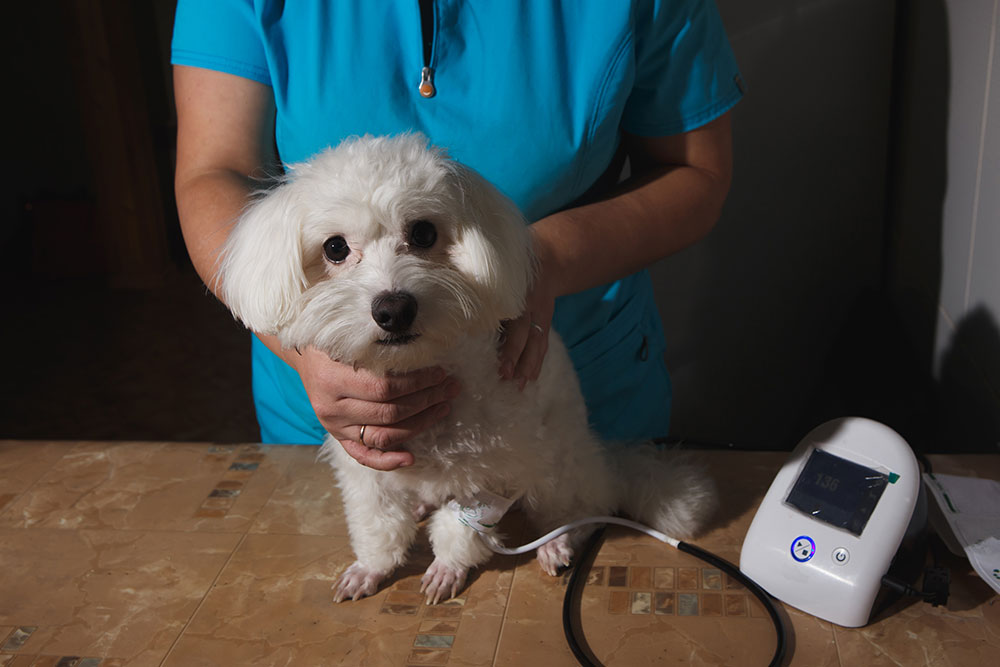
Hypertension (high blood pressure) often hides until organ damage has already occurred. In pets, it can harm the eyes, kidneys, heart, and brain. One of the most serious consequences is retinal detachment, which can cause sudden blindness.
We measure blood pressure with a soft cuff on a leg or tail using Doppler technology. Elevated readings are often linked to kidney disease, hyperthyroidism, diabetes, or heart disease. Management can include medication, diet adjustments, and treating the underlying condition, with regular rechecks to confirm control.
What Can a Urine Test Tell You About Your Pet’s Health?
Urinalysis complements blood work and often catches kidney changes before blood values shift. It measures concentration, pH, protein, glucose, blood cells, crystals, and bacteria, providing clues about kidney function, urinary infections, diabetes, and bladder health.
Kidney decline tends to be gradual and silent. Pairing urinalysis with blood work gives a fuller picture than either test alone. We use gentle collection techniques and Fear Free handling so most pets tolerate the process comfortably.
How Is Heart Disease Screened in Senior Pets?
Many pets with early heart disease show no obvious symptoms, which is why screening matters even when your pet seems perfectly healthy. Heart disease diagnosis often begins with a stethoscope but may involve additional noninvasive, well-tolerated tests:
| Test | What It Shows |
| Chest X-rays | Heart size, lung health, fluid accumulation |
| Echocardiogram | Real-time heart structure and function |
| NT-proBNP testing | Blood biomarker that detects cardiac stress before symptoms appear |
| ECG/EKG | Heart rhythm and electrical activity |
These tests are quick, noninvasive, and help us determine whether treatment is needed and how urgently.
When Are X-Rays and Ultrasound Recommended?
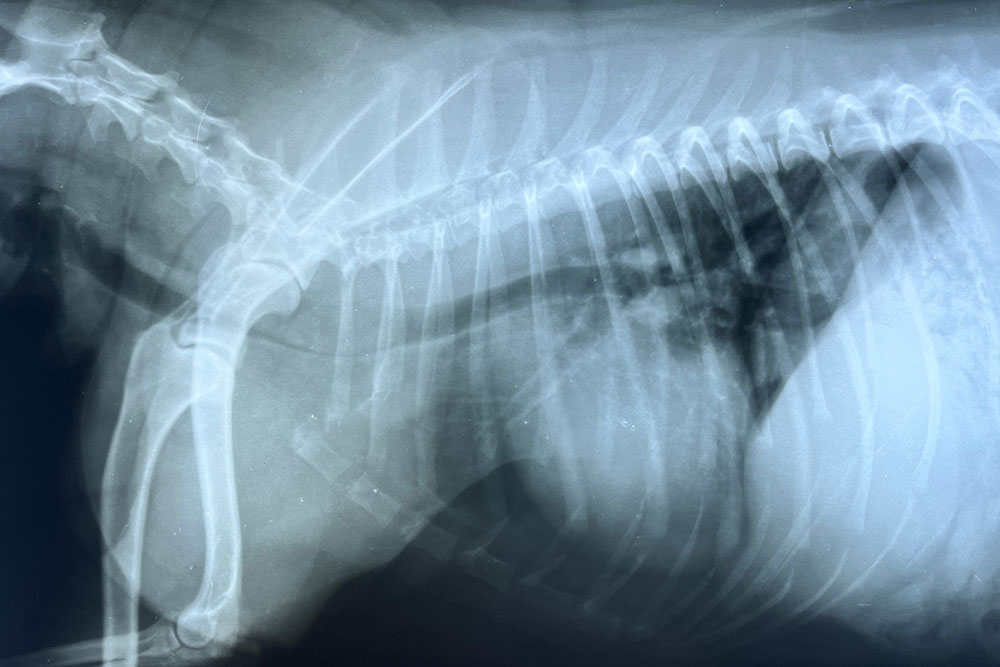
Radiography (X-rays) evaluates heart and lung shape, organ size, bone density, arthritis, and unexplained symptoms. It is often one of the first imaging tools we reach for.
Ultrasound visualizes soft tissue organs in real time, including the liver, kidneys, spleen, and bladder, and can guide sample collection when needed. Together, imaging and lab work build a complete picture that guides treatment decisions.
Which Conditions Should Senior Pet Owners Watch For?
Thyroid Disease in Dogs
Dogs most often develop hypothyroidism, meaning the thyroid does not produce enough hormone. Signs can include unexplained weight gain, tiredness, recurring skin or ear infections, and thinning hair. Testing is straightforward, and daily medication often restores balance and energy.
Thyroid Disease in Cats
Older cats commonly develop feline hyperthyroidism, where the thyroid produces too much hormone. Signs include weight loss despite a big appetite, restlessness, vomiting, and strain on the heart and kidneys. Treatment options include medication, dietary management, or radioactive iodine therapy. Our Cat-Friendly certification means your feline friend stays calm while receiving the best care a cat can get.
Kidney Disease
Chronic kidney disease is extremely common in senior pets, especially cats, and pets often show no symptoms until significant function is already lost. That is what makes screening so critical. Management may include prescription diets, hydration support, and medications that slow progression.
Heart Disease
Heart disease varies by species, size, and breed. Small dogs are prone to mitral valve disease, where a leaky valve gradually strains the heart. Large and giant breeds are more susceptible to dilated cardiomyopathy, where the heart muscle weakens and enlarges. Cats most commonly develop hypertrophic cardiomyopathy, where the heart walls thicken and reduce efficiency.
Early detection through screening allows us to start heart disease treatment before symptoms like coughing, exercise intolerance, or difficulty breathing develop.
Cancer
Routine exams and imaging help identify cancer early, when treatment options are broadest. Watch for new lumps, unexplained weight loss, changes in appetite, or persistent lethargy. Lymphoma is one of the most common cancers in dogs and cats. Hemangiosarcoma, a cancer of blood vessel walls, and osteosarcoma, a bone cancer, are more common in larger breeds. Early discovery expands options for treatment and pain management.
Liver Disease
Blood work often catches liver disease before outward signs appear. Elevated enzymes or protein changes may prompt follow-up imaging to determine cause and severity. Management typically includes medication, diet adjustments, and monitoring.
Arthritis and Joint Pain
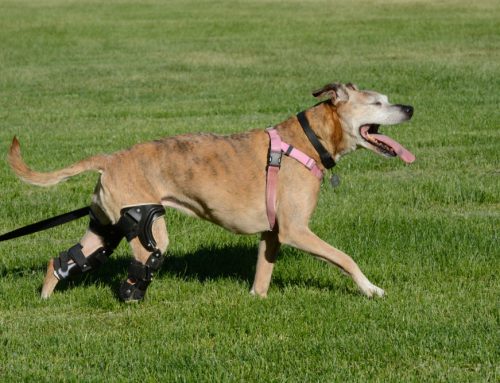
Arthritis affects both dogs and cats and is often underdiagnosed, especially in cats who hide pain by simply becoming less active. Physical exams, gait assessment, and X-rays help confirm the diagnosis. Modern pain relief options include joint supplements, laser therapy, and targeted monthly injectables like Librela for dogs and Solensia for cats that reduce pain signals at the source. We favor multimodal approaches combining medication, weight management, and appropriate activity.
Dental Disease
Dental care is a critical part of senior wellness. Dental disease is extremely common in older pets and can affect the heart, liver, and kidneys. Watch for bad breath, difficulty eating, drooling, or pawing at the mouth. Professional cleanings under anesthesia allow thorough evaluation and treatment, and pre-anesthetic blood work helps ensure safety. At-home brushing or dental chews support gum health between visits.
Frequently Asked Questions About Senior Pet Screening
How often should my senior pet be screened? Most seniors benefit from exams and targeted testing every six months. More frequent checks may be recommended if trends are changing or a condition is being managed.
What if my pet is scared or nervous? That’s ok! Our Fear-Free veterinary care works with your pet- whether that means we do the exam outside, in your lap, or use pre-visit calming medications to help them feel comfortable.
What early signs should prompt a visit? Weight changes, shifts in thirst or appetite, coughing, stiffness, behavior changes, new lumps, or decreased energy are all worth a call.
Is anesthesia safe for senior pets? Pre-anesthetic blood work and tailored protocols help ensure safety. Many seniors tolerate anesthesia well with proper preparation and monitoring.
What does it mean if all results come back normal? Normal results are good news and establish valuable baselines. Trending those results over time is one of the most powerful tools for early detection.
How much does senior screening cost? Costs vary based on which tests are recommended. We focus on value and transparency, recommending what your pet genuinely needs.
Helping Your Senior Pet Thrive With Proactive Care
Proactive screening gives your senior pet the best chance at comfortable, healthy aging. With Fear Free care, a focus on the whole pet, and personalized plans built around your pet’s unique needs, our team supports you and your pet through every stage.
If you are noticing changes or it is time for routine senior care, request an appointment and we will help build a plan that feels kind and effective. For questions, reach out to connect with a team that listens. We are here to keep your pet’s senior years comfortable and bright.