
Allergic Reaction Emergency Guide: What Pet Parents Need to Know About Hives and Anaphylaxis
An ordinary day with a pet can take a sharp turn when itching, facial swelling, or sudden discomfort appears. It can be hard to tell whether you’re seeing mild hives or early signs of something more serious. That uncertainty is scary, especially when symptoms change quickly. Understanding the range of allergic reactions helps you make confident decisions when time matters most.
At Star of Texas Veterinary Hospital, our Fear Free certified team supports families with calm, gentle care. With comprehensive veterinary care and an emphasis on reducing fear, anxiety, and stress, we guide you through allergic reactions with clear steps and compassionate help. If symptoms are progressing or you’re unsure how urgently your pet needs care, visit our contact page for immediate guidance and same-day support.
What Causes Allergic Reactions in Dogs, Cats, and Pocket Pets?
Allergic reactions happen when the immune system overreacts to something harmless. Triggers include environmental allergens like pollen, dust mites, and mold; food proteins such as chicken, beef, or dairy; medications; and insect bites or stings. Flea saliva is a common trigger for skin flares.
In Austin’s warm climate, pollen and mold can linger year-round, so flare-ups aren’t limited to one season. Insects and parasites are active through every season. Knowing your pet’s triggers helps you prevent future reactions and act quickly when signs appear. Our comprehensive services include allergy assessments to identify triggers and build targeted prevention plans.
How Do Allergic Reactions Differ in Severity?
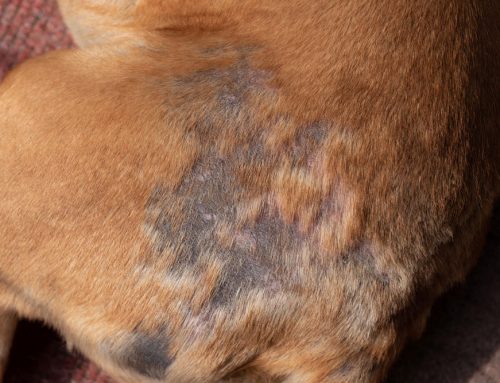
Not all reactions look the same. Hives are raised, itchy welts that often respond to antihistamines and are uncomfortable but usually not life-threatening.
Anaphylaxis in dogs and anaphylaxis in cats is a life-threatening emergency. It can progress within minutes, causing a dangerous drop in blood pressure and airway constriction. Without rapid treatment, it can be fatal.
Some reactions affect breathing (coughing, wheezing, fast breathing), while others affect the stomach and intestines (vomiting, diarrhea, drooling). Symptoms may start mildly and worsen over hours, so close monitoring after any exposure is important.
What Symptoms Signal an Urgent Allergic Reaction?
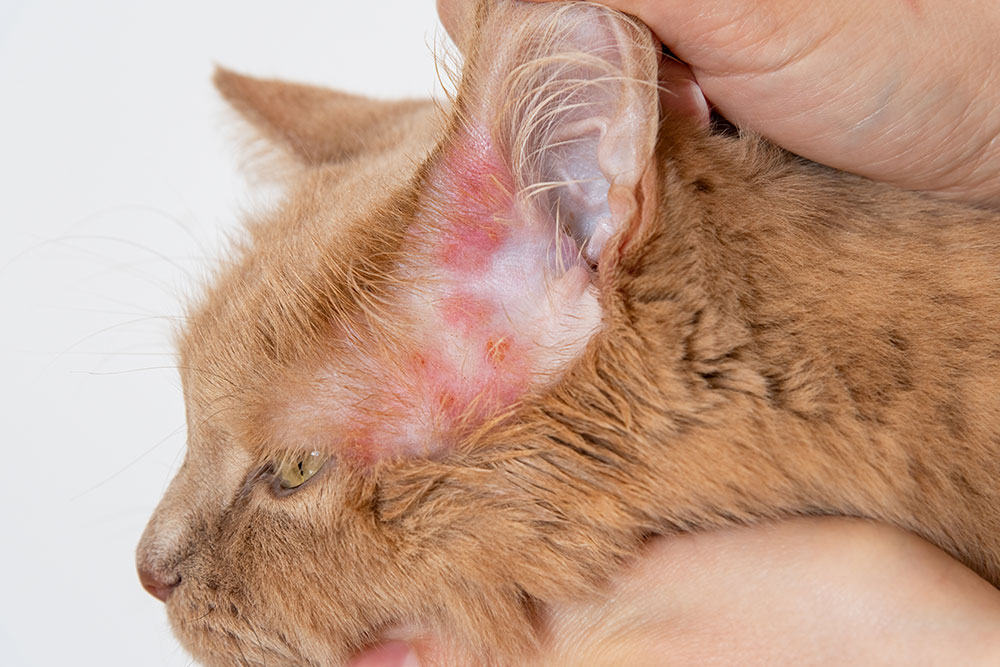
Common allergy symptoms include facial swelling, pawing at the face, itchy skin, watery eyes, and hives. Some dogs also vomit or have diarrhea. Cats may groom excessively, develop small crusty skin lesions, or act restless. Open-mouth breathing in cats is always serious and needs immediate care.
Call us right away if you see any of the following emergency signs:
- Trouble breathing, gasping, or noisy breathing
- Rapidly worsening facial or throat swelling
- Collapse, weakness, or inability to stand
- Pale or blue gums
- Rapid, weak pulse
- Repeated vomiting or diarrhea, especially with blood
- Seizures or loss of consciousness
If you observe these signs, contact us immediately. We offer urgent care during regular hours and prioritize same-day appointments. We’ll guide you through first steps while you’re on your way.
What Should You Do When Your Pet Shows Allergic Symptoms at Home?
Stay calm and reduce exposure to the suspected trigger. Remove a stinger if visible with tweezers or gently scrape it out. For skin reactions, rinse your pet with cool water to remove allergens on the coat. Keep them from scratching or licking; an Elizabethan collar can help protect irritated skin.
Document what you notice:
- Which symptoms appeared and in what order
- When symptoms started
- New foods, treats, or medications
- Possible exposures (plants, cleaners, insects)
- Photos of swelling, hives, or rashes
Even if symptoms settle, schedule an evaluation. Your pet may still need medication to prevent a rebound reaction. Allergic reactions can improve and then return hours or even a day later. Our Fear Free approach means we’ll examine your pet where they’re most comfortable and create a simple plan to manage symptoms.
When Does an Allergic Reaction Require Emergency Veterinary Care?
Seek emergency care for breathing trouble, severe swelling, rapid progression, or symptoms affecting multiple systems at once. Anaphylaxis can escalate in as little as 15 minutes, so don’t wait.
In-clinic care may include antihistamines to block the allergic response, corticosteroids to reduce inflammation, IV fluids for circulation, oxygen therapy for breathing, and epinephrine for severe anaphylaxis. Most mild to moderate reactions improve quickly and go home the same day with medication and monitoring tips. Severe cases may need short-term hospitalization for oxygen or IV support. We’ll keep you updated, explain home care clearly, and schedule follow-up if needed.
How Can You Prevent Future Allergic Reactions?
Simple habits make a big difference:
- Regular grooming helps remove pollen, dust, and mold from the coat and skin. Bathe with vet-recommended shampoos and brush several times weekly to spot early skin changes.
- Prevent flea allergy dermatitis with consistent, year-round parasite prevention. Even one flea bite can trigger intense itching in sensitive pets.
- Keep routines consistent so you notice subtle changes sooner. Wellness exams help track patterns and catch flares early.
For pets with severe reactions to known triggers like insect stings, discuss keeping epinephrine (epi-pens) at home for emergency use. Advanced prevention options include allergy testing followed by immunotherapy to decrease reaction severity over time. We can also discuss medications like Apoquel or Cytopoint that help manage itching and discomfort during allergic episodes.
Can Diet and Environmental Changes Reduce Allergy Flare-Ups?
Food allergies are best identified with a veterinary-guided elimination diet trial. Your pet eats a novel protein or hydrolyzed diet exclusively for 8 to 12 weeks. No other foods, treats, or flavored products. If symptoms improve, ingredients are reintroduced one by one to find the triggers. Once identified, avoiding those ingredients prevents future flares.
To lower environmental allergens at home:
- Use a HEPA vacuum and air purifier to trap tiny particles
- Wash pet bedding weekly in hot water
- Keep indoor humidity around 30 to 50 percent to discourage mold
Regular bathing with topical therapies for allergic skin containing omega fatty acids can improve skin condition and prevent severe reactions. Regular ear cleaning helps prevent infections that often pop up with allergies. We can guide you on safe cleaners and how often to use them. Our nutritional consults and dermatology expertise help tailor diet and environment to your pet’s needs.
What Should You Know About Vaccination and Medication Reactions?
Vaccination reactions are uncommon and usually mild, such as temporary tiredness or a sore injection site. True allergic reactions are rare but can occur within minutes to hours. We ask you to wait 15 to 20 minutes after vaccinations so we can monitor and respond if needed.
Call us if you see facial swelling, hives, vomiting, diarrhea, breathing difficulty, or collapse after a vaccine. For pets with prior reactions, we can pre-medicate, split vaccines across visits, and adjust which vaccines are needed based on lifestyle. We can create personalized vaccine plans for your pet’s specific needs.
Medication allergies can happen with antibiotics, pain relievers, or other drugs. Always tell us about past reactions so we can choose safe alternatives. If new symptoms appear after starting a medication, contact us right away.

How Does Regular Veterinary Care Help Manage Allergies Long-Term?
Routine wellness visits help us spot early allergy signs before they become bigger problems. We assess skin, ears, eyes, and breathing, and then adjust care as needed. If pinpointing triggers is important, we may recommend testing to guide targeted avoidance or discuss immunotherapy (allergy shots) to reduce sensitivity over time.
A strong partnership means faster answers during flares and a smoother plan for prevention. We consider diet, environment, stress, and overall health together, so your pet gets a plan that fits their life and your goals.
Quick Answers: Pet Allergy FAQs
What’s the difference between hives and anaphylaxis?
Hives are itchy skin welts that are uncomfortable but usually not dangerous. Anaphylaxis is a fast, whole-body reaction that can cause breathing trouble and collapse and needs emergency care immediately.
When should I go to the vet right away?
Go now if your pet has trouble breathing, severe or fast swelling, collapse, pale or blue gums, repeated vomiting or diarrhea, or seizures.
Can I give over-the-counter antihistamines?
Don’t give any medication without guidance. Doses vary by pet and some products are unsafe. Call us first so we can advise you based on your pet’s weight and health.
How do I prevent future reactions?
Use year-round parasite prevention, groom regularly, manage indoor allergens, and work with us on diet trials if food allergies are suspected.
Could vaccines cause an allergic reaction?
Rarely. Most vaccine effects are mild and short-lived. We monitor pets after vaccines and can customize protocols for sensitive pets.
Finding Calm and Confidence When Allergies Strike
Allergic reactions range from mild hives to life-threatening anaphylaxis. Knowing the signs and acting quickly can save your pet’s life. Facial swelling, breathing trouble, sudden collapse, and repeated vomiting are always emergencies. Even mild reactions deserve a check-in to prevent future flares and find triggers.
At Star of Texas Veterinary Hospital, we pair medical expertise with compassionate, Fear Free care so you and your pet feel supported. Whether you need urgent help or a long-term allergy plan, we’re here to guide you with clear steps and steady communication. Have questions or need same-day care? Contact us or request a visit so we can help you protect your pet and ease your worries.