
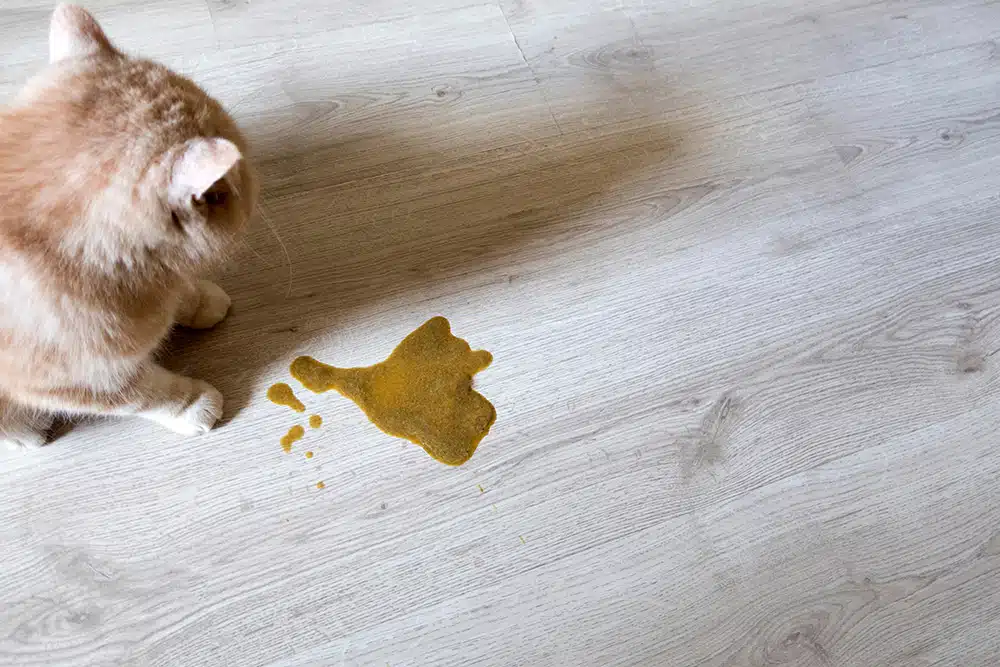
You walk into the room and see it: a little puddle on the carpet. Your first feeling may be exasperation- “Why do they always choose my rug- or blanket- or bed?!” If you own a cat, you’re probably used to finding evidence of a hairball now and then. It happens, right? But what about when it happens frequently, or when the sickness seems more intense than usual? While an occasional cleanup might be a normal part of cat ownership, frequent or severe episodes are a serious worry for any pet parent.
At Star of Texas Veterinary Hospital, our team provides the highest quality veterinary care in Austin combined with gentle Fear Free care and advanced diagnostics, all in a Cat-Friendly setting. We’re here to uncover the root cause of feline vomiting- without adding stress to your cat’s experience. Whether your cat needs preventive care or urgent diagnostic testing, our veterinarians use a calm, thorough approach to bring relief and answers quickly.
Don’t Brush Off Vomiting as “Normal” in Cats
Vomiting is a vague and nonspecific symptom shared by many different diseases, some of which are life-threatening. Because cats instinctively hide illness, visible symptoms like vomiting usually mean the problem has been developing for some time. Taking vomiting seriously and knowing when to involve your veterinarian is critical for identifying underlying disease early, preventing complications, and protecting your cat’s long-term health.
Common Causes of Vomiting in Cats
Dietary Indiscretion, Toxins, and Foreign Body Blockages
Cats may have a reputation for being picky eaters, but they’re also curious. Sometimes, that curiosity leads to trouble. Eating spoiled food, sneaking bites of table scraps, or chewing on houseplants or strings can irritate or even block the digestive tract. Even a sudden switch to a new diet can trigger vomiting.
To minimize risk, introduce new foods gradually over 7–10 days, and keep household hazards- like rubber bands, ribbon, or toxic plants- out of reach. Review this list of toxic plants, and ensure that tempting greenery is out of reach of curious felines.
If your cat vomits more than once, stops eating, or seems lethargic afterward, it’s time for a diagnostic evaluation.
Hairballs and Overgrooming
Hairballs are common, especially in long-haired cats, but they shouldn’t be a frequent event. Cats producing hairballs more than once monthly may have underlying issues like allergies, anxiety-driven overgrooming, or slowed intestinal motility.
At Star of Texas Veterinary Hospital, we look beyond the surface to determine why your cat is overgrooming. Environmental stressors, itchiness, or even boredom can lead to excessive grooming behavior. Regular brushing, enrichment, and addressing anxiety through Fear Free methods can reduce both stress and hairball formation.
Parasites and Infections
Even indoor cats can contract intestinal parasites through grooming, contaminated surfaces, or contact with other pets. Parasites like roundworms and tapeworms can cause intermittent vomiting, diarrhea, or a distended belly. New kittens are especially at risk, as they can actually contract parasites from their mother through nursing and grooming.
Our preventive care includes fecal testing and deworming tailored to your cat’s lifestyle- indoor, outdoor, or somewhere in between- to keep your cat healthy year-round.
Chronic Kidney Disease and Hyperthyroidism
As cats age, chronic kidney disease and hyperthyroidism become two of the most common medical reasons for ongoing vomiting. Monitoring for senior pet health problems ensures your cat stays comfortable and content in their golden years.
With chronic kidney disease, declining kidney function allows waste products to accumulate in the bloodstream, which directly irritates the stomach lining and triggers persistent nausea. Vomiting may start intermittently and progress over time, often accompanied by increased thirst, larger urine clumps, dehydration, and a gradual decline in appetite or body condition.
Hyperthyroidism affects the body very differently but leads to similar gastrointestinal signs. Excess thyroid hormone speeds up metabolism, increases stomach acid production, and alters gut motility, making vomiting more likely even in cats that seem constantly hungry. Weight loss despite a strong appetite, restlessness, and changes in behavior are common clues that vomiting is tied to a hormonal imbalance rather than a primary stomach problem.
At Star of Texas, we emphasize early detection through bloodwork, urinalysis, and blood pressure screening. Monitoring kidney values and thyroid hormone levels allows us to tailor treatment plans, slow disease progression, and significantly improve comfort and quality of life for affected cats.
Inflammatory Bowel Disease and Intestinal Cancer
Chronic inflammation of the gastrointestinal tract is a major cause of persistent vomiting in cats. Feline inflammatory bowel disease occurs when immune cells infiltrate the intestinal lining, interfering with digestion and nutrient absorption. Vomiting, diarrhea, weight loss, and appetite changes may come and go, making diagnosis challenging without imaging or biopsy.
In some cases, vomiting may be associated with intestinal lymphoma, one of the most common cancers in cats. Early lymphoma can closely resemble inflammatory bowel disease, which is why advanced diagnostics are so important. Identifying the correct cause allows for targeted treatment that can significantly improve quality of life.
Food Sensitivities and Allergies
Not all food-related vomiting is immediate. Some cats develop delayed reactions to certain proteins or additives, resulting in chronic or intermittent vomiting. A carefully managed diet trial to identify food allergies is often the most reliable diagnostic tool. This process requires strict adherence to a prescribed diet for several weeks while monitoring symptom improvement. For many cats, identifying and removing a trigger ingredient leads to long-term resolution without ongoing medication.
Pancreatitis and Liver Disease
Pancreatitis is an underrecognized cause of vomiting in cats. Inflammation of the pancreas can lead to nausea, decreased appetite, lethargy, and abdominal discomfort. Diagnosis often requires specialized blood tests and abdominal imaging, as routine lab work may appear normal.
Pancreatitis frequently occurs alongside intestinal or liver disease, a combination sometimes referred to as triaditis. Treatment focuses on pain control, anti-nausea medication, nutritional support, and addressing any concurrent conditions.
The liver plays a central role in digestion and detoxification, and liver dysfunction commonly leads to vomiting. Cats that stop eating for even a short period are at risk for hepatic lipidosis, a serious condition where fat accumulates in the liver and impairs function. Other liver and biliary disorders, including gallbladder disease, can also cause chronic nausea. Liver and gall bladder disease in cats often requires imaging and long-term management to control symptoms and protect liver function.
Diabetes Mellitus
Vomiting can also be linked to metabolic disease such as feline diabetes. Poor glucose regulation affects gastric motility and can lead to nausea, dehydration, and weight loss despite increased appetite. In advanced cases, vomiting may signal a medical emergency requiring immediate care.
Early diagnosis allows diabetes to be managed through insulin therapy, diet changes, and monitoring, often resulting in noticeable improvement in digestive comfort and overall health.
Urethral Obstruction
A urethral obstruction is a life-threatening emergency that can also lead to vomiting in cats, especially males. When the urethra becomes blocked, urine cannot leave the bladder. This causes the bladder to become distended and painful, leading to a buildup of toxins in the bloodstream that can upset the digestive system and trigger nausea and vomiting.
Because the condition blocks normal kidney function and toxin removal, affected cats can deteriorate rapidly within a matter of hours. If your cat shows signs of painful or unsuccessful urination with vomiting, contact your veterinarian immediately for an urgent evaluation and treatment.
When Vomiting Becomes an Emergency
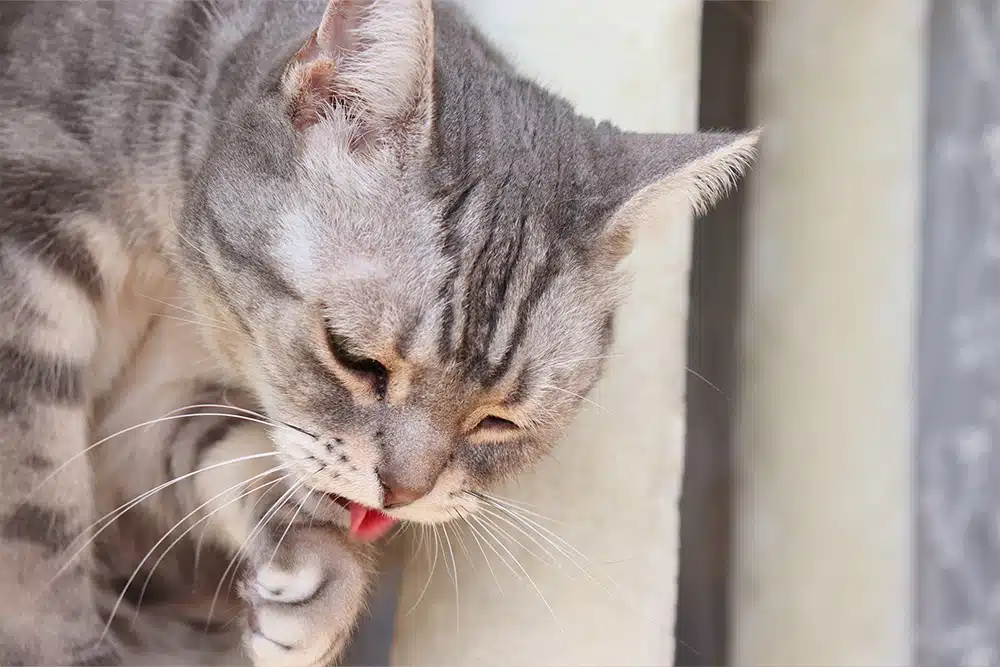
Some symptoms mean it’s time to call your veterinarian immediately. Color and texture matter. Yellow or green bile often indicates an empty stomach or irritation from bile reflux, while visible blood- either bright red or coffee-ground in appearance- requires immediate care. The different types of cat vomit can give veterinarians clues about the cause, but consistent vomiting or signs like weakness or collapse should never wait until morning.
Warning signs include:
- Multiple vomiting episodes within 24 hours
- Refusal to eat or drink
- Evidence of lethargy
- Signs of dehydration (dry gums, sunken eyes)
- Distended or painful abdomen
- Straining in the litter box
- Blood in vomit or stool
At Star of Texas Veterinary Hospital, our team can triage and stabilize your cat with Fear Free handling, ensuring that even urgent care is as calm and gentle as possible. If your cat shows any of these signs, contact us immediately or request an appointment for same-day care.
Preventing Vomiting and Supporting Long-Term Digestive Health
Healthy Diet and Routine
Feeding high-quality food and maintaining consistent meal times reduces stomach upset. Slowing down their eating and preventing the “scarf and barf” routine is a great first step. Using timed feeders that provide multiple small meals a day or using puzzle feeders can make a huge difference.
Good nutrition is the cornerstone of digestive health. Our veterinarians can recommend balanced diets suited to your cat’s age and health, ensuring they receive proper nutrition without triggering sensitivities. For some cats, a simple switch from dry to wet food can solve the issue.
If you’re unsure which food is best, we can create a nutrition plan that fits your cat’s needs- whether that means a sensitive stomach formula or a prescription diet for chronic issues.
Regular Veterinary Check-Ups
Routine wellness exams give your veterinarian the chance to detect changes before they become serious. At Star of Texas, our comprehensive services include bloodwork, urinalysis, and abdominal imaging to track your cat’s health over time. Cats are skilled at masking illness, so consistent monitoring helps us catch subtle shifts early.
Older cats are especially at risk for developing age-related diseases that may appear first with an increase in vomiting frequency. Regular weight checks, hydration monitoring, and behavioral observation are vital. Subtle signs like hiding, grooming less, or sleeping in new places can reveal early changes in health.
When to Take Action
Vomiting may start as an occasional inconvenience but can quickly point to a deeper problem. With attentive observation and timely veterinary care, most causes can be treated effectively.
At Star of Texas Veterinary Hospital, we believe in partnering with you to keep your cat comfortable, healthy, and stress-free. If your cat’s vomiting seems frequent, severe, or out of character, don’t wait- schedule an appointment or contact us today. Our compassionate team is ready to provide advanced diagnostics, personalized treatment, and gentle care every step of the way.