
Understanding Seasonal Allergies in Pets: Causes, Symptoms, and Treatment
Seasonal allergies are a common but often overlooked problem for pets, especially in areas with high pollen and environmental allergens like Austin, Texas. Just like humans, pets can suffer from itchy skin, watery eyes, sneezing, and respiratory issues due to seasonal allergies. If left untreated, these allergies can lead to secondary infections, chronic discomfort, and long-term health issues.
In this guide, we’ll explore the signs of seasonal allergies, common allergens, treatment options, and ways to manage symptoms effectively so your pet can stay comfortable year-round.
Common Seasonal Allergens Affecting Pets in Austin
Austin’s warm climate and abundant plant life make it a high-risk area for pet allergies. Some of the most common environmental allergens include:
- Tree Pollen – Cedar, oak, and pecan trees release high amounts of pollen, especially in spring.
- Grass Pollen – Bermuda, Timothy, and Ryegrass can trigger allergic reactions.
- Weeds – Ragweed and pigweed are among the worst offenders for seasonal allergies.
- Mold and Fungal Spores – Thrive in Austin’s humid conditions and can cause allergic responses year-round.
- Dust Mites – Commonly found in bedding, carpets, and furniture, leading to persistent allergy symptoms.
These allergens can become airborne and stick to your pet’s fur, skin, and paws, causing irritation and allergic flare-ups.
For more information on allergy triggers in dogs, visit the AKC’s guide to dog allergies.
Signs of Seasonal Allergies in Dogs and Cats
Unlike humans, pets with allergies rarely show symptoms like sneezing and runny noses. Instead, their allergies often manifest as skin issues. Watch for:
Skin & Coat Symptoms
- Excessive scratching, licking, or biting (especially paws, belly, and ears)
- Red, inflamed skin or rashes
- Hot spots (painful sores from constant licking)
- Hair loss or bald patches
- Dry, flaky, or greasy skin
Respiratory Symptoms
- Sneezing and runny nose
- Watery, red, or itchy eyes
- Coughing or wheezing (more common in cats)
Ear & Paw Symptoms
- Frequent ear infections or excessive head shaking
- Swollen, red, or irritated paw pads
- Excessive licking of paws (a sign of itchiness or irritation)
When to See a Veterinarian
If your pet is experiencing persistent scratching, frequent ear infections, or breathing difficulties, consult a veterinarian as soon as possible. Some allergy symptoms mimic other health conditions, making a professional diagnosis essential.
Schedule an allergy evaluation to get relief for your pet.
Diagnosing Allergies in Pets
Veterinarians use various methods to determine if your pet’s symptoms are due to seasonal allergies, food allergies, or another health issue. Common diagnostic tests include:
- Physical Examination – Assessing the skin, ears, and coat for allergic reactions.
- Skin Allergy Tests – Checking for reactions to specific allergens.
- Blood Tests – Identifying immune system responses to allergens.
- Dietary Elimination Trials – Used when food allergies are suspected.
Early diagnosis can help prevent worsening symptoms and improve your pet’s quality of life. Learn more about allergic reactions and anaphylaxis in pets from the Texas Veterinary Medical Foundation.
Treatment Options for Seasonal Allergies in Pets

Medications for Allergy Relief
- Antihistamines (e.g., Benadryl, Zyrtec) – May help mild cases but are not always effective.
- Steroids – Provide short-term relief for severe symptoms but can have side effects with long-term use.
- Cytopoint or Apoquel – Prescription medications that target and reduce itchiness in allergic pets.
- Immunotherapy (Allergy Shots) – Custom treatments that help pets build tolerance to allergens over time.
If your pet is showing severe allergic reactions, such as swelling, hives, or difficulty breathing, seek emergency care immediately. Read more about anaphylaxis in dogs from the AKC.
Topical Treatments & Skin Care
- Medicated or Hypoallergenic Shampoos – Helps remove allergens from the skin and coat.
- Soothing Sprays or Ointments – Reduces inflammation and itching.
- Ear Cleaners – Helps prevent infections caused by allergies.
Environmental Management at Home
Reducing your pet’s exposure to allergens can help prevent flare-ups:
- Wipe your pet’s paws and coat after outdoor activities.
- Use an air purifier to remove allergens from your home.
- Vacuum and wash pet bedding frequently to reduce dust mites.
- Limit outdoor time during peak pollen seasons (early morning and late afternoon).
Check out more allergy prevention tips from Purdue Veterinary Hospital.
Diet & Nutrition for Allergy Support
A nutrient-rich diet can strengthen your pet’s immune system and improve skin health, reducing allergy symptoms.
- Omega-3 Fatty Acids – Found in fish oil, helps reduce inflammation and support healthy skin.
- Probiotics – Supports gut health, which is linked to immune function.
- Limited-Ingredient Diets (LID) – May help pets with food allergies or sensitivities.
Not sure which diet is best for your allergic pet? Ask our veterinary team for personalized recommendations.
Preventing Allergy Flare-Ups
While seasonal allergies cannot be cured, you can take steps to minimize symptoms:
- Keep windows closed to prevent outdoor allergens from entering your home.
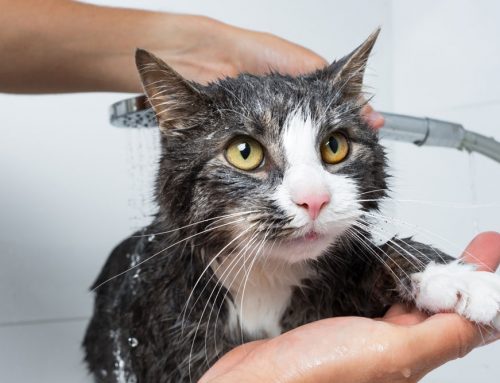
- Bathe your pet regularly to remove pollen and dust.
- Use hypoallergenic pet wipes for quick clean-ups.
- Switch to allergen-free bedding and household cleaners.
If your pet experiences severe allergic reactions (such as swelling, difficulty breathing, or sudden lethargy), seek immediate veterinary care. Learn more about anaphylaxis in cats.
Get Help for Your Pet’s Allergies at Star of Texas Veterinary Hospital
Seasonal allergies can be frustrating for both pets and owners, but with the right treatment plan and environmental adjustments, your pet can stay comfortable year-round.
At Star of Texas Veterinary Hospital, we offer comprehensive allergy testing, treatment, and prevention plans tailored to your pet’s needs.