


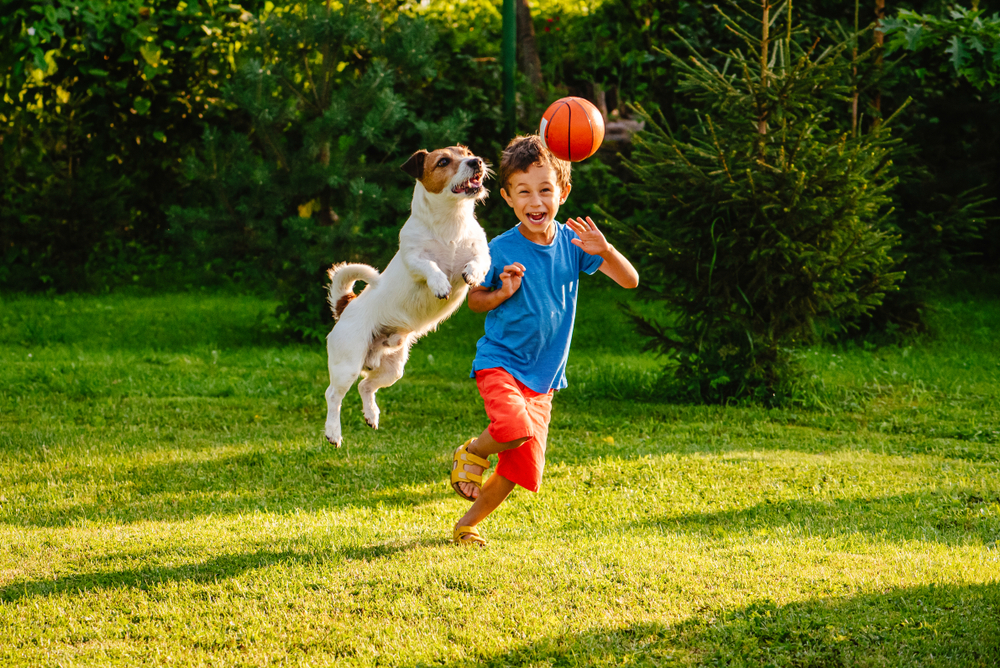
Pets can provide children with unconditional love, constant entertainment, endless joy, and valuable life lessons. Research also shows that pets can have a profoundly positive impact on a child’s development. Having a pet pal helps children learn empathy and responsibility, and develop self-esteem, fostering a well-rounded and fulfilling childhood experience. However, you must monitor pets’ and children’s interactions to ensure everyone’s safety and comfort. Our Star of Texas Veterinary Hospital team responds to your frequently asked questions (FAQs) about keeping interactions between kids and pets safe while fostering a bond built on love, respect, and understanding.
Question: At what age can a child interact appropriately with a pet?
Answer: Your child’s age is one factor to consider before adopting a pet, but each child develops at their own pace. When introducing a pet to your household, you should also consider these factors:
- Your child’s readiness and maturity level — Typically, children between the ages of 5 and 7 are mature enough to understand pet care responsibilities. However, each child’s maturity level varies significantly. To gauge their readiness for a pet, assess your child’s ability to handle responsibilities, empathize with a pet’s needs, and understand that pets are living beings with feelings.
- The time commitment a pet requires — The type and amount of care a pet requires depends on their species. However, all pets require daily care and attention. Consider your current lifestyle and whether you and your children have adequate time to devote to a pet.
- Allergy concerns — People with pet allergies are usually allergic to dander (i.e., an animal’s skin flakes), but they can also be allergic to a pet’s saliva. Common pet allergy signs include runny nose, sneezing, nasal congestion, coughing, itchy or watery eyes, swelling under the eyes, and facial pain or pressure. If you suspect your child has pet allergies, have them tested and consult with your veterinarian about pet breeds that are less likely to trigger an allergic reaction.
- Plans for the future — A pet is a long-term commitment. Before adopting a pet, consider your family’s future plans such as moving or long-distance travel.
Q: How can I educate my child about appropriate pet handling?
A: Teaching your child about proper pet handling is essential for their safety and that of their furry pal. Demonstrate the correct way to handle a pet, such as supporting their body properly and avoiding rough play. Emphasize the importance of gentle touch, explaining to your child that they should never pull a pet’s tail, ears, and other parts of the animal’s body. Encourage your child to approach and touch a pet in a calm and controlled manner, respecting a pet’s decision to forgo an interaction with them.
Q: How should I safely introduce a pet to my child?
A: Introducing pets and children requires patience and careful supervision. After you’ve taught your child how to approach animals calmly and respectfully, allow your pet to approach your youngster at their own pace, ensuring the initial interactions are positive and stress-free. The most well-behaved pet can react unpredictably in certain situations, so always supervise interactions and provide guidance to minimize the risk of accidents or potential harm.
Q: What are anxiety or discomfort signs in pets?
A: Pets can’t speak, but they communicate through body language. To ensure your youngster’s and your pet’s safety, you and your child must learn to interpret your pet’s body language. Teach your children these pet body language basics:
- Body posture — A pet who is comfortable, content, and willing to be petted will approach with a loose, soft, body posture. Never force an interaction with a pet who is cowering and hunched toward the ground, because they are likely feeling scared or stressed.
- Ear position — When a pet’s ears are pointed back or flattened against their head, leave them alone.
- Lip licking — Lip licking signals that a pet is uncomfortable. This is not a sign that they want to lick your face.
Q: What hygiene practices should my child follow after a pet interaction?
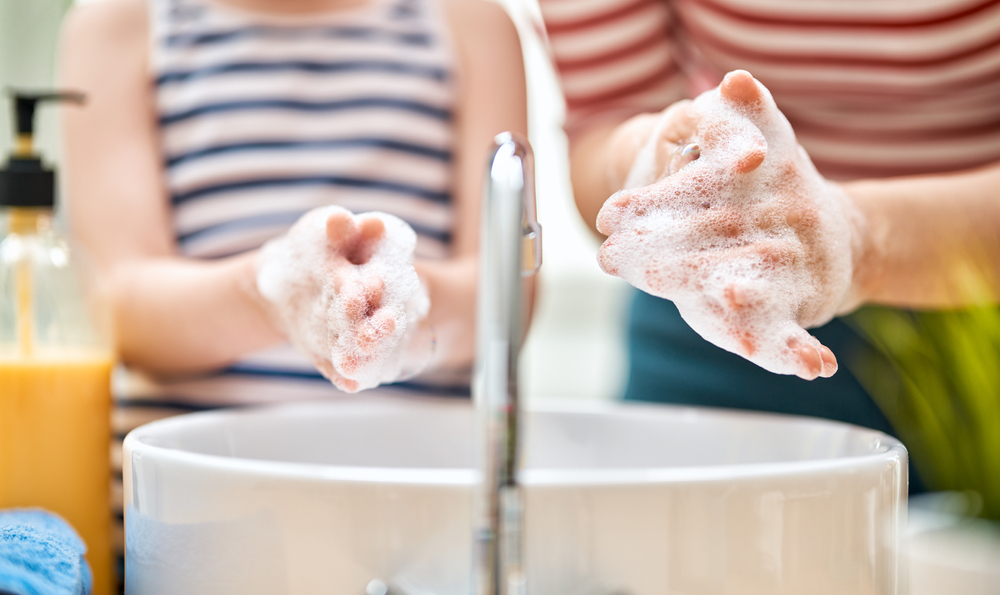
A: Teach your child good hygiene practices to minimize their risk of contracting bacteria and parasites from pets. Teach your child to wash their hands thoroughly after handling pets, especially before eating. To minimize germ spread, discourage youngsters from putting their hands or any objects in their mouths while playing with pets. To maintain a clean and healthy environment, regularly clean areas your pet frequents in your home and around your yard.
By teaching your child responsible pet ownership, you create a safe and secure environment in which children and pets thrive together. In addition, you should set a positive pet care example for your child by ensuring your furry pal receives regular preventive veterinary care. Schedule your pet’s wellness examination with our Star of Texas Veterinary Hospital team.